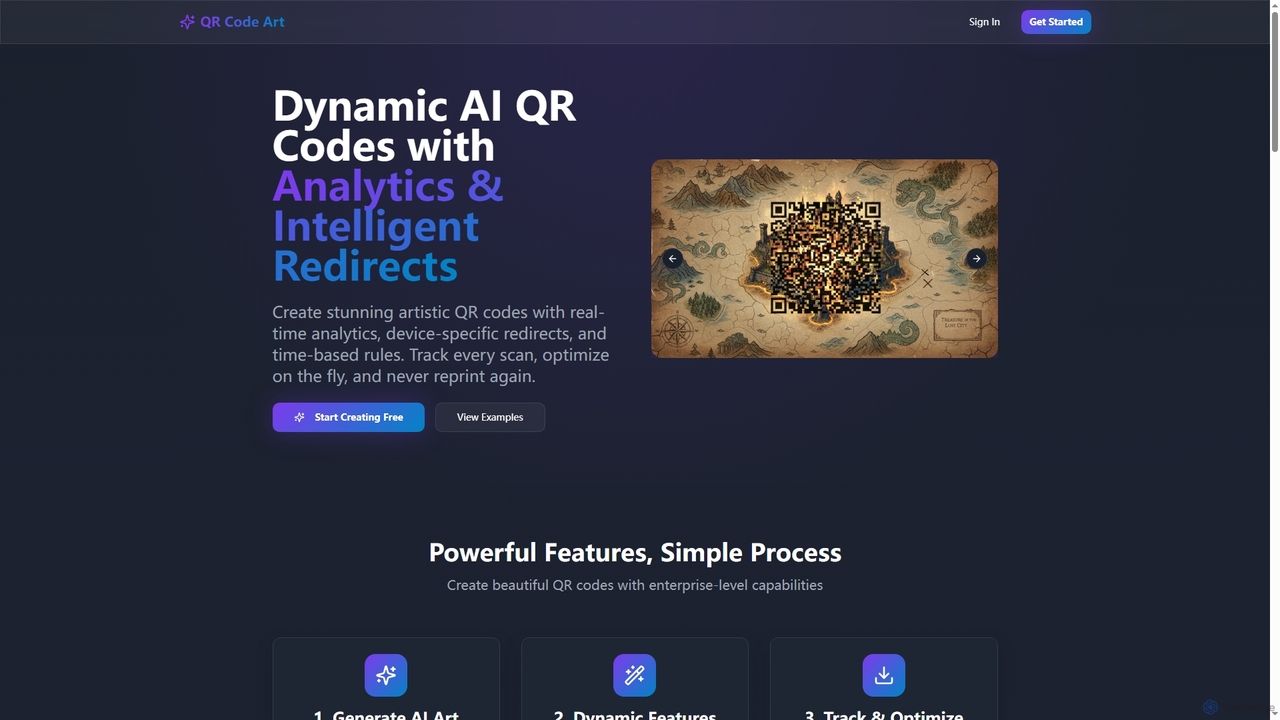
Graphics Generation tools are AI-powered platforms that automatically create diverse visual content from text prompts, sketches, or other data inputs. Leveraging advanced generative adversarial networks (GANs) and diffusion models, these tools transform conceptual ideas into high-quality images, illustrations, and even 3D assets. They empower designers, marketers, and content creators to rapidly prototype, visualize concepts, and produce unique visuals at scale, significantly accelerating creative workflows within the broader Design category.
Core Features
- Text-to-Image Synthesis: Generate photorealistic images or artistic illustrations from descriptive text prompts.
- Style Transfer & Variation: Apply specific artistic styles to existing images or generate multiple stylistic variations of a concept.
- Image Inpainting/Outpainting: Intelligently fill in missing parts of an image or extend its boundaries with contextually relevant content.
- Vector Graphics Creation: Convert raster images or text descriptions into scalable vector art.
- 3D Asset Generation: Create basic 3D models, textures, or environments from 2D inputs or text prompts.
Applicable Scenarios
Content creators can quickly generate unique social media graphics, blog post headers, and marketing visuals without needing extensive design skills. Game developers use these tools to rapidly prototype character concepts, environmental textures, and in-game assets, accelerating the early stages of game design. Marketing teams leverage AI graphics generation for creating diverse ad creatives and campaign visuals tailored to different audiences.
How to Choose
When selecting a Graphics Generation tool, consider the specific output format needed (e.g., raster, vector, 3D), the quality and style of the generated content, and the ease of prompt engineering. Evaluate the tool's integration capabilities with existing design software, its pricing model based on usage, and the level of control and customization offered over the generated outputs.