Design Best in category 1 results Image Verification AI Tool

Popular AI tools in the Image Verification field of Design include mydetector, etc., helping you quickly improve efficiency.

mydetector

mydetector

mydetector is a comprehensive suite of free AI tools designed to ensure content authenticity. It features a highly …

1.3M

About Image Verification

Image Verification tools are AI-powered solutions designed to analyze visual content for authenticity, integrity, and origin. These tools leverage advanced artificial intelligence and machine learning algorithms to detect manipulations, identify deepfakes, trace image sources, and verify content against known databases. Their primary value lies in combating misinformation, preventing fraud, and ensuring trust in digital visual assets, playing a critical role in maintaining content credibility within the broader design and digital media landscape.

Core Features

  • Deepfake & Tampering Detection: Identifies subtle inconsistencies, artifacts, or alterations that indicate an image has been digitally manipulated or generated by AI.
  • Metadata Analysis: Extracts and interprets embedded data (EXIF, XMP) to reveal camera information, timestamps, location, and editing history, aiding in authenticity checks.
  • Reverse Image Search & Source Tracing: Locates identical or similar images across the web to determine original publication, context, and potential unauthorized use.
  • Content Authenticity & Provenance: Verifies the origin and history of an image, often through cryptographic signatures or blockchain, to establish an unbroken chain of custody.

Use Cases

These tools are essential for journalists verifying news images, e-commerce platforms ensuring product authenticity, and social media companies moderating misleading content. They also support legal professionals in forensic analysis and intellectual property holders in tracing unauthorized use of their visual assets.

How to Choose

When selecting an Image Verification tool, consider its accuracy in detecting various types of manipulation (e.g., deepfakes, Photoshop edits), the breadth of its source tracing capabilities, its integration options with existing workflows, and the clarity of its verification reports. Evaluate the tool's underlying AI models and its ability to handle diverse image formats and resolutions.

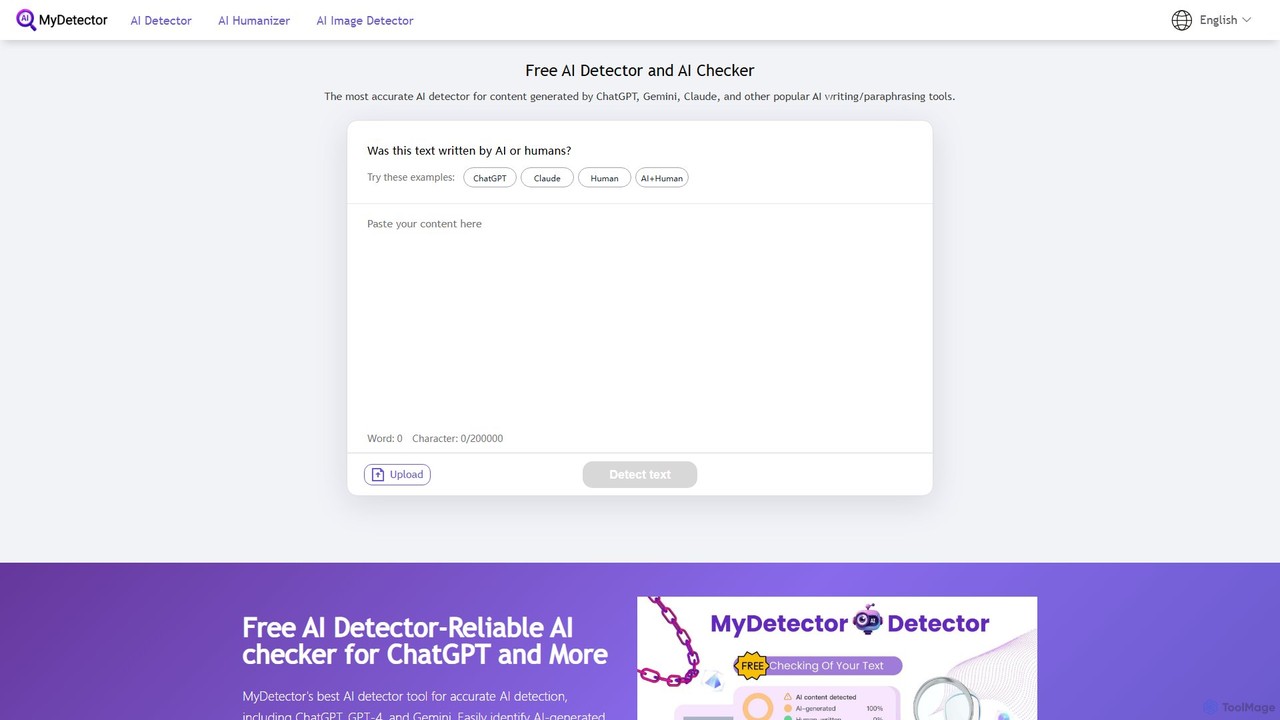
Image VerificationUse Cases

1

Journalism & Fact-Checking

Journalists and fact-checkers utilize image verification tools to authenticate visual evidence in news reports. By analyzing metadata, performing reverse image searches, and detecting signs of digital manipulation, they can prevent the spread of misinformation and ensure the credibility of their reporting, especially in fast-paced breaking news scenarios.

2

E-commerce & Brand Protection

E-commerce businesses employ these tools to verify the authenticity of product images, ensuring they haven't been altered to misrepresent items or used by unauthorized sellers. This helps combat counterfeit goods, protect brand reputation, and build consumer trust by guaranteeing that what customers see is what they get.

3

Social Media Content Moderation

Social media platforms use image verification AI to automatically identify and flag manipulated images, deepfakes, or misleading visual content. This is crucial for maintaining a safe online environment, preventing the spread of harmful propaganda, and adhering to platform content policies at scale.

4

Legal & Forensic Investigations

Legal professionals and forensic experts rely on image verification for evidence analysis. These tools can detect whether an image submitted as evidence has been tampered with, altered, or taken out of context, providing critical insights for criminal investigations, insurance claims, and civil disputes.

5

Intellectual Property Protection

Artists, photographers, and design agencies use image verification to protect their intellectual property. By tracing the origin and usage of their visual assets across the internet, they can identify unauthorized reproductions, copyright infringements, and ensure proper attribution or licensing compliance.

6

Digital Asset Management (DAM) Integrity

Organizations with large digital asset libraries integrate image verification into their DAM systems. This ensures the long-term integrity and authenticity of their visual archives, preventing accidental or malicious alteration of historical photos, corporate branding assets, or sensitive documents, maintaining a trusted source of truth.

Image VerificationFrequently Asked Questions