ToolMage
Sign in

Best 3 Packaging Design AI tools for Design

Popular Packaging Design AI tools in Design include packify, Sourceful, and Spring, helping you work more efficiently.

Spring
Freemium

Spring

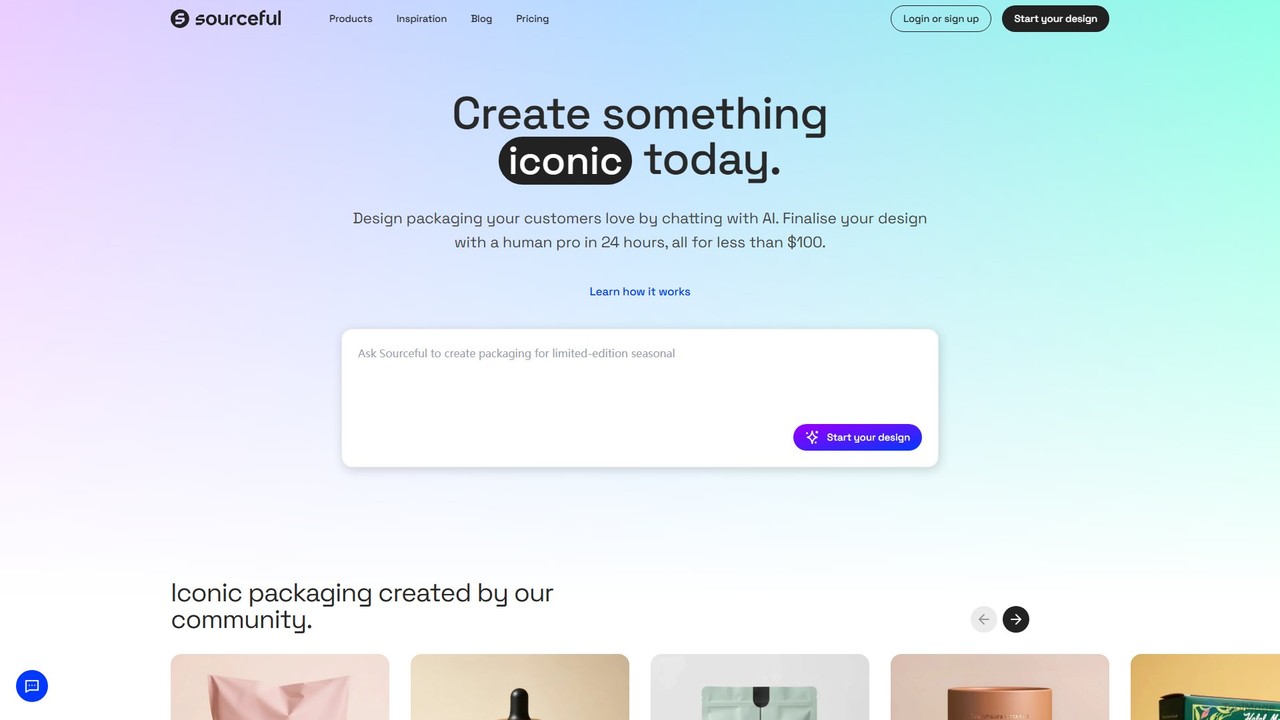
Spring is an AI-powered packaging design platform by Sourceful, combining limitless concept generation with professional human designers. Instantly create countless packaging ideas tailored to your brand, then have a professional refine your chosen concept into a print-ready, fully compliant file in under 48 hours. It's the fastest way to get iconic, market-ready packaging.

Packaging Design
Visits 4.1KFavorites 142Likes 144
packify
Freemium

packify

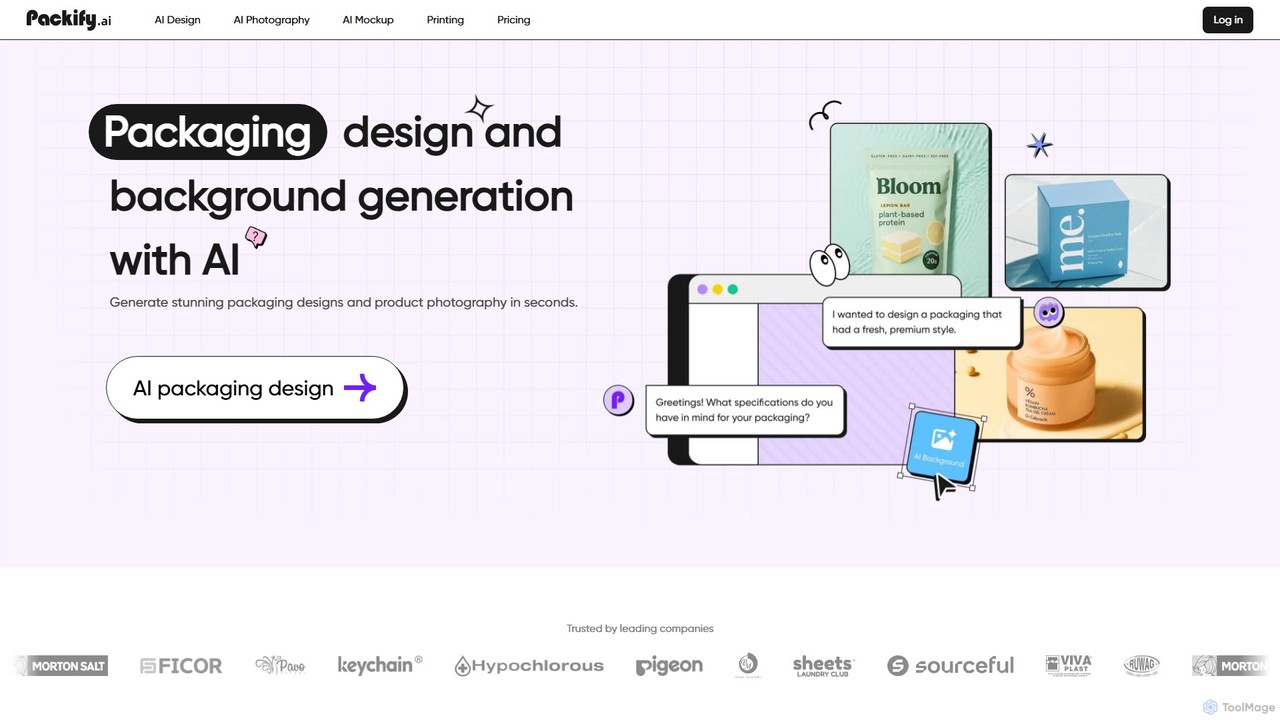
packify is an AI-powered platform for generating stunning packaging designs, product photography, and realistic mockups in seconds. Simply describe your vision in a chat, and the AI transforms your text into high-quality, commercially-safe visuals. It's an all-in-one online studio for designers, brands, and e-commerce businesses to create, refine, and visualize products effortlessly.

Packaging Design
Visits 52.4KFavorites 110Likes 95
Sourceful
Freemium

Sourceful

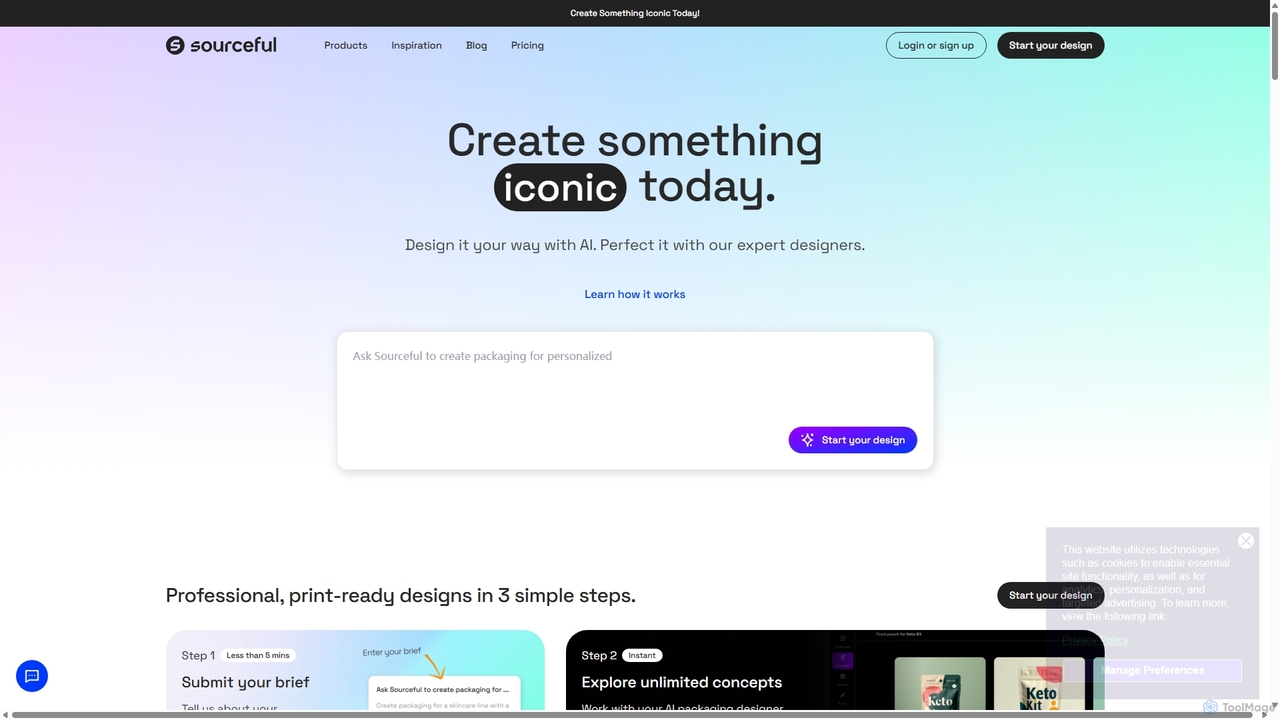
Sourceful is an AI-powered platform for creating professional packaging designs. Generate unlimited concepts by chatting with an AI, then have a human expert finalize your chosen design into a print-ready file within 48 hours. It combines AI's speed with professional oversight, offering features like 3D mockups, performance analysis, and artwork extraction for brands in e-commerce, beauty, and food & beverage.

Packaging Design
Visits 28.5KFavorites 95Likes 86

About Packaging Design

Packaging Design AI tools are a specialized category within AI design, leveraging artificial intelligence to streamline and innovate the creation of product packaging. These tools utilize advanced algorithms for visual generation, material simulation, and regulatory compliance checks, enabling designers and brands to rapidly conceptualize, visualize, and iterate on packaging solutions. They significantly accelerate the design process, reduce development costs, and help ensure market readiness by predicting consumer appeal and functional viability.

Core Features

  • Automated Concept Generation: Generates diverse packaging concepts based on product specifications, brand guidelines, and target audience data.
  • 3D Visualization & Mockups: Creates realistic 3D models and virtual mockups of packaging, allowing for interactive review and material simulation.
  • Material & Structure Optimization: Suggests optimal materials, structural integrity, and sustainable options for cost-efficiency and environmental impact.
  • Regulatory Compliance Check: Scans designs against industry standards and regional regulations for labeling, safety, and environmental requirements.
  • Consumer Appeal Prediction: Analyzes design elements to predict consumer preferences and market performance, guiding design refinements.

Use Cases

These tools are invaluable for product development teams, marketing agencies, and independent designers. They are used to quickly explore numerous design variations for new product launches, visualize how different materials affect the final look, and ensure that packaging meets all necessary legal and environmental standards before production. This accelerates time-to-market and reduces costly errors.

How to Choose

When selecting Packaging Design AI tools, consider the breadth of design generation capabilities, the realism and interactivity of 3D visualization, and the accuracy of material and structural simulations. Evaluate its integration with existing design workflows (e.g., CAD software), the extent of its regulatory database, and its ability to provide actionable insights on consumer appeal. Scalability and pricing models are also crucial for long-term use.

Featured tool rankings

Packaging Design use cases

1

Rapid New Product Packaging Concepting

A product manager launching a new snack line uses AI packaging design tools to generate hundreds of unique packaging concepts. By inputting product attributes, target demographic, and brand colors, the AI quickly provides diverse visual styles, structural forms, and material suggestions, allowing the team to explore a wide range of creative directions in hours, not weeks.

2

Sustainable Material & Structure Optimization

An eco-conscious brand aims to reduce its carbon footprint. Their packaging designer utilizes AI tools to analyze various sustainable materials like recycled plastics or biodegradable paper, simulating their structural integrity and cost implications. The AI suggests optimal designs that minimize material usage while maintaining product protection and aesthetic appeal, aligning with sustainability goals.

3

3D Virtual Mockup for E-commerce & Marketing

An e-commerce marketing team needs high-quality product visuals for online listings and social media campaigns before physical production. They use AI packaging design tools to create photorealistic 3D mockups of their proposed packaging. This allows them to generate diverse angles, lighting conditions, and lifestyle shots instantly, accelerating content creation and pre-launch marketing efforts.

4

Regulatory Compliance & Labeling Check

A pharmaceutical company is designing packaging for a new drug and must adhere to strict health and safety regulations. The AI tool automatically scans the proposed label text, ingredient lists, and warning symbols against global and regional compliance databases. It flags potential violations or missing information, ensuring the packaging is legally compliant and avoids costly recalls.

5

A/B Testing & Consumer Preference Prediction

A beverage company wants to optimize its bottle label design for maximum shelf appeal. They upload several design variations to an AI packaging tool that uses predictive analytics to simulate consumer reactions. The AI analyzes elements like color, typography, and imagery to forecast which design will perform best in terms of purchase intent, guiding the final design decision.

6

Personalized Packaging for Limited Editions

A luxury brand plans a limited-edition product with personalized packaging for VIP customers. The AI packaging design tool integrates with customer data to generate unique patterns, color schemes, or even custom text on each package. This allows for mass customization, creating a highly exclusive and memorable unboxing experience without manual design for every single unit.

Packaging Design FAQ

What are AI Packaging Design tools?

AI Packaging Design tools are software applications that use artificial intelligence to assist in the creation, visualization, and optimization of product packaging. They leverage machine learning algorithms to automate repetitive tasks, generate design concepts, simulate materials, and analyze consumer preferences, significantly speeding up the design cycle and enhancing decision-making.

How do AI Packaging Design tools differ from general AI design tools?

While general AI design tools offer broad creative assistance, AI Packaging Design tools are highly specialized. They focus specifically on the unique constraints and requirements of packaging, such as structural integrity, material science, print specifications, regulatory compliance, and shelf appeal. They often include features like 3D mockups, die-line generation, and specific material simulations not found in general design AI.

What are the core benefits of using AI for packaging design?

The core benefits include accelerated design cycles, significant cost reductions in prototyping and revisions, enhanced creativity through rapid concept generation, and improved market success rates due to data-driven consumer insights. AI tools also help ensure regulatory compliance and optimize material usage for sustainability, leading to more efficient and responsible packaging solutions.

Who can benefit most from using AI Packaging Design tools?

Product designers, brand managers, marketing teams, packaging engineers, and small to large businesses involved in product development can benefit greatly. These tools are particularly valuable for companies needing to rapidly iterate on designs, explore sustainable options, ensure compliance, or predict market performance, making them essential for competitive product launches.

What should I consider when integrating AI into my packaging design workflow?

When integrating AI, consider how it complements your existing design software and team skills. Look for tools that offer robust integration capabilities, a user-friendly interface, and comprehensive features relevant to your specific packaging needs (e.g., food, cosmetics, electronics). Also, evaluate the AI's learning capabilities and its ability to adapt to your brand's unique style and guidelines over time.