
Design Best in category 1 results Personalization AI Tool

Popular AI tools in the Personalization field of Design include AI Emoji, etc., helping you quickly improve efficiency.

AI Emoji

AI Emoji

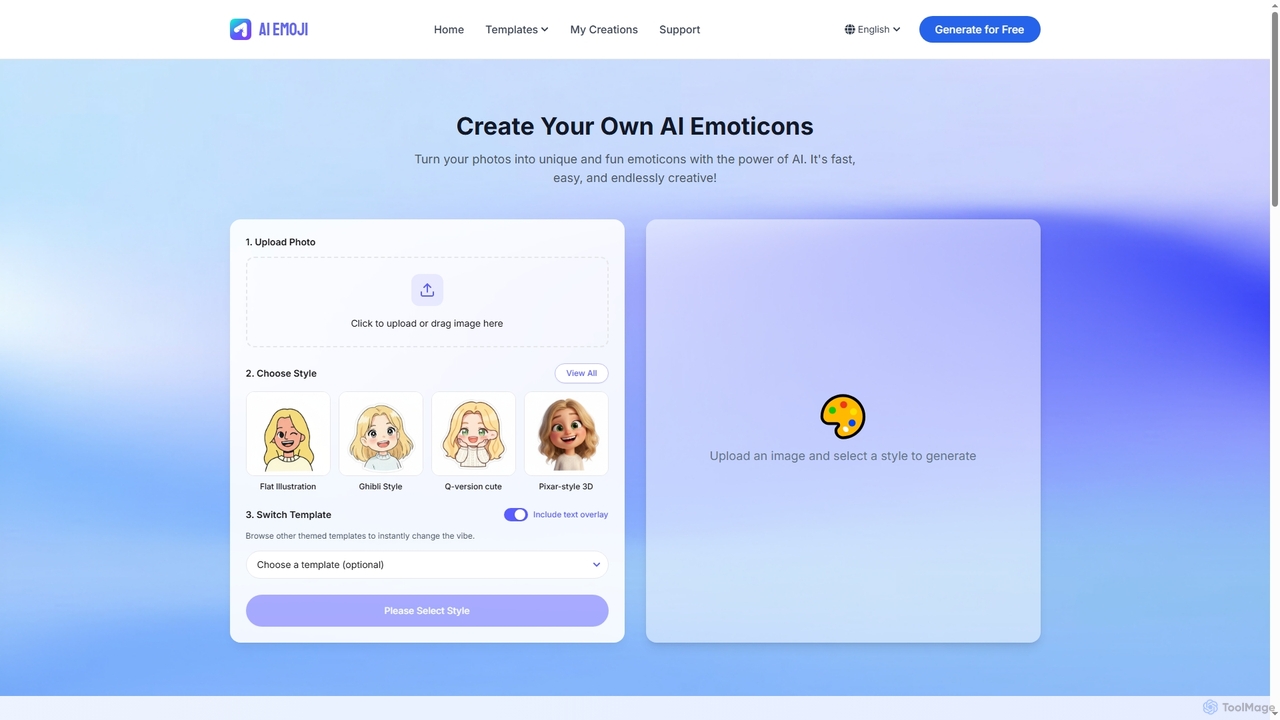
AI Emoji is an innovative online tool that transforms your photos into unique, personalized emoticons using advanced artificial …

2.6K

About Personalization

Personalization tools are AI-powered solutions that dynamically adapt design elements, content, and user experiences to individual preferences and behaviors. Within the broader field of design, these tools leverage machine learning algorithms to analyze user data, enabling the creation of unique, relevant interactions at scale. They enhance user engagement and conversion by delivering bespoke digital experiences, moving beyond static, one-size-fits-all designs and making every interaction feel unique.

Core Features

  • User Behavior Analysis: AI algorithms process interaction data, demographics, and past choices to build individual user profiles.
  • Dynamic Content Adaptation: Automatically modifies text, images, layouts, and calls-to-action based on real-time user context and preferences.
  • Adaptive UI/UX Design: Adjusts interface components, navigation paths, or feature visibility to optimize the user journey for each individual.
  • Personalized Recommendation Engines: Generates tailored suggestions for products, services, or content, significantly improving relevance and discovery.
  • Automated A/B Testing & Optimization: Continuously tests different personalized variations to identify the most effective designs and content for specific user segments.

Applicable Scenarios

These tools are crucial for e-commerce platforms seeking to recommend products, content creators aiming to deliver tailored experiences, and marketers personalizing campaigns. They are also vital for educational platforms adapting learning paths and mobile apps optimizing user interfaces.

How to Choose

When selecting a personalization tool, consider its data integration capabilities, the granularity of personalization offered, ease of use for designers and marketers, and scalability to handle varying user loads. Evaluate the types of data it can process and its ability to integrate seamlessly with existing design and marketing stacks.

PersonalizationUse Cases

1

Dynamic E-commerce Product Recommendations

An online retailer uses AI personalization to analyze a shopper's browsing history, purchase patterns, and real-time behavior. The tool dynamically displays relevant product suggestions, personalized offers, and tailored content on the homepage, product pages, and in email campaigns, significantly increasing conversion rates and average order value.

2

Adaptive Website Content for Visitors

A media company employs a personalization AI to deliver unique article recommendations and layout adjustments to each website visitor. Based on their past reading habits, geographic location, and device, the AI customizes the news feed, ad placements, and even the visual theme, ensuring higher engagement and longer session durations.

3

Personalized Email Marketing Campaigns

A marketing team utilizes AI to craft individualized email content for subscribers. The tool analyzes subscriber data, segmenting them by interests, past interactions, and lifecycle stage. It then generates personalized subject lines, body text, product images, and calls-to-action for each recipient, leading to higher open rates and click-through rates.

4

Tailored In-App User Experiences

A mobile application developer integrates personalization AI to adapt the app's interface and feature set for different users. For instance, a new user might see onboarding tutorials, while a power user gets quick access to advanced features. This dynamic adaptation improves user satisfaction, reduces churn, and encourages feature adoption.

5

Customized Learning Paths in EdTech

An educational platform uses personalization tools to create adaptive learning paths for students. The AI assesses a student's performance, learning style, and progress, then dynamically adjusts the curriculum, recommends specific resources, and provides tailored exercises, optimizing the learning outcome for each individual.

6

Personalized Digital Ad Creative Optimization

An advertising agency leverages AI personalization to generate multiple variations of ad creatives (images, headlines, calls-to-action) for different audience segments. The AI continuously tests and optimizes these variations in real-time based on performance data, ensuring that each user sees the most relevant and engaging ad, maximizing campaign ROI.

PersonalizationFrequently Asked Questions