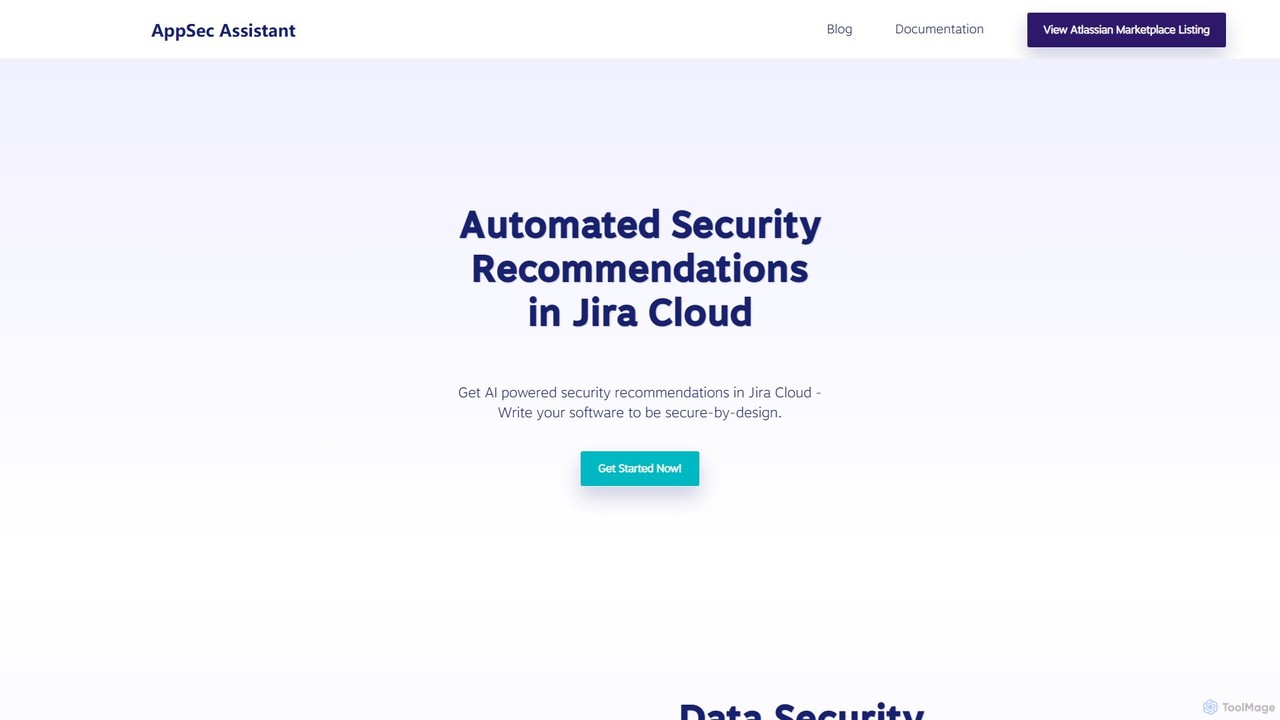
AppSec Assistant
An AI-powered assistant integrated into Jira Cloud that provides automated security recommendations for software development. It helps developers …
An AI-powered assistant integrated into Jira Cloud that provides automated security recommendations for software development. It helps developers write secure-by-design code, streamlines AppSec reviews, and embeds security directly into the SDLC.
About Code Security
Code Security tools are AI-powered solutions designed to identify, prevent, and remediate vulnerabilities in software code. These tools leverage machine learning and static/dynamic analysis to detect security flaws early in the development lifecycle. They enhance software integrity and protect applications from potential cyber threats, making development processes more robust and secure within the broader field of software development.
Core Features
- Automated Vulnerability Scanning: Automatically scans source code, binaries, and dependencies for known and unknown security weaknesses.
- Real-time Threat Detection: Monitors code changes and development environments to flag security issues as they emerge.
- Compliance Checking: Ensures code adheres to industry security standards and regulatory requirements (e.g., OWASP Top 10, GDPR).
- AI-driven Remediation Suggestions: Provides intelligent recommendations and code snippets to fix identified vulnerabilities.
- Supply Chain Security: Analyzes third-party libraries and open-source components for embedded security risks.
Applicable Scenarios
Software development teams integrate Code Security tools into their CI/CD pipelines to automatically scan every code commit, ensuring that no new vulnerabilities are introduced into the codebase. This helps maintain a high security posture from the earliest stages of development. Security auditors and compliance officers use these tools to perform comprehensive security assessments, verify adherence to industry regulations, and generate detailed reports for internal and external audits.
How to Choose
When selecting Code Security tools, consider their integration capabilities with existing development environments (IDEs, CI/CD). Evaluate the types of vulnerabilities they can detect (SAST, DAST, SCA) and their accuracy in minimizing false positives. Also, assess the clarity and actionability of their remediation suggestions and their support for various programming languages.
Code SecurityUse Cases
Automated Vulnerability Detection in CI/CD
A DevOps engineer integrates an AI-powered Code Security tool into their continuous integration/continuous deployment (CI/CD) pipeline. Every time a developer pushes new code, the tool automatically scans for common vulnerabilities like SQL injection or cross-site scripting, providing immediate feedback and preventing insecure code from reaching production.
Securing Open-Source Dependencies
A software architect needs to ensure that all third-party and open-source libraries used in their project are free from known vulnerabilities. The Code Security tool performs a Software Composition Analysis (SCA), identifying outdated or compromised components and suggesting secure alternatives or patches, significantly reducing supply chain risks.
Real-time Security Feedback for Developers
A developer is writing new features in their IDE. The Code Security tool provides real-time inline suggestions and warnings about potential security flaws as they type, guiding them to write more secure code from the outset and reducing the need for extensive refactoring later.
Ensuring Regulatory Compliance
A financial institution's development team must comply with strict industry regulations like PCI DSS. They use Code Security tools to automatically check their codebase against these standards, generating compliance reports and highlighting areas that need attention, streamlining audit processes.
Proactive Threat Hunting in Legacy Code
An enterprise has a large legacy codebase that hasn't been thoroughly audited for security in years. A Code Security platform uses AI to analyze the entire codebase, identifying subtle, complex vulnerabilities that might be missed by manual reviews, thereby proactively mitigating long-standing risks.
Security Training and Education
A security lead uses the insights from Code Security tools to identify common coding errors made by their team. They then leverage the tool's detailed vulnerability explanations and remediation examples to create targeted security training modules, improving the overall security awareness and coding practices of the development staff.