Development Best in category 1 results Roadmap Planning AI Tool

Popular AI tools in the Roadmap Planning field of Development include ProductLift, etc., helping you quickly improve efficiency.

ProductLift

ProductLift

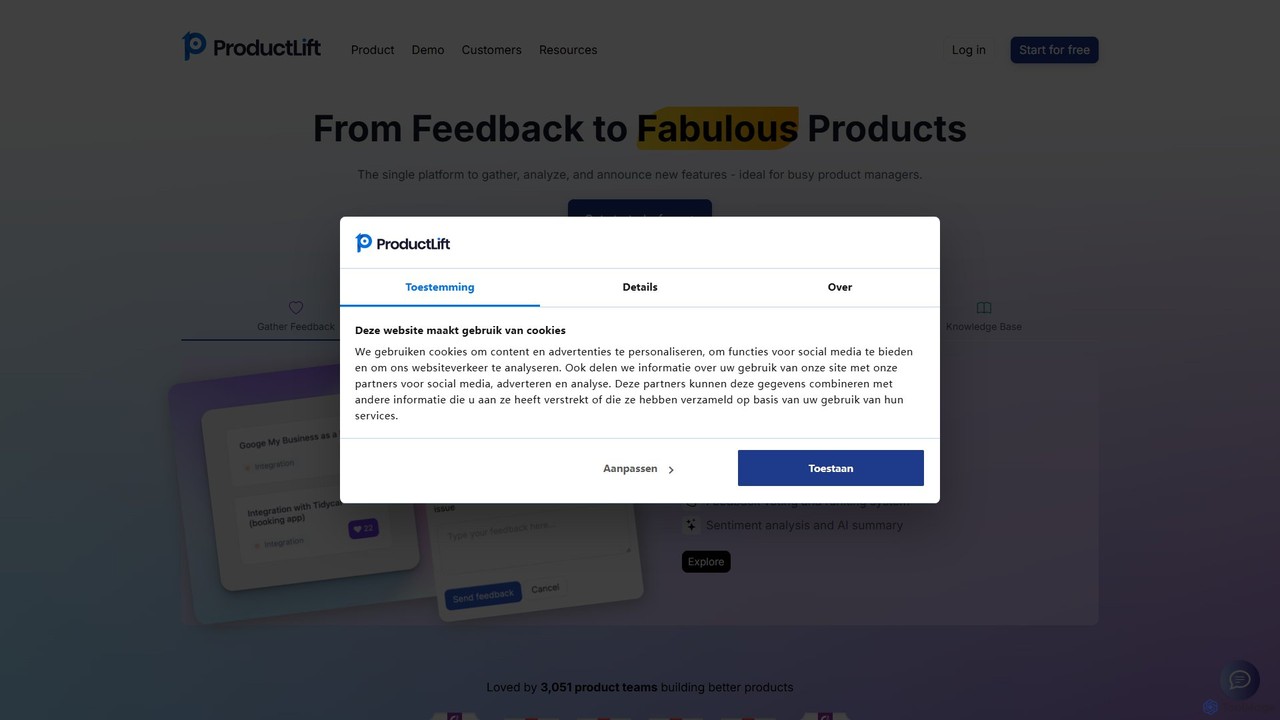
ProductLift is an all-in-one platform for product management, helping SaaS companies collect user feedback, build public roadmaps, and …

29.6K

About Roadmap Planning

Roadmap Planning AI tools are specialized platforms that leverage artificial intelligence to streamline and enhance the strategic planning and visualization of projects, products, or initiatives. These tools analyze data, predict trends, and automate various aspects of roadmap creation, offering dynamic insights for better decision-making. They are crucial for development teams, product managers, and business leaders within the broader Development category, enabling them to define, prioritize, and communicate their strategic direction effectively. By integrating AI, these tools move beyond static charts to provide adaptive, data-driven roadmaps that respond to changing conditions.

Core Features

  • AI-driven Prioritization: Automatically suggests and prioritizes features or initiatives based on business goals, market trends, and resource availability.
  • Dynamic Timeline Generation: Creates flexible timelines that adapt to changes in scope, resources, or external factors, offering real-time adjustments.
  • Scenario Planning & Simulation: Allows users to model different strategic paths and visualize their potential impact on outcomes and resource allocation.
  • Automated Dependency Mapping: Identifies and visualizes interdependencies between tasks, projects, and teams, highlighting potential bottlenecks.
  • Stakeholder Communication & Reporting: Generates clear, customizable roadmap views and reports tailored for various audiences, enhancing transparency.

Applicable Scenarios

These tools are invaluable for product managers defining future product iterations, software development leads planning sprint cycles, and executive teams aligning strategic initiatives. They help in visualizing complex project timelines, allocating resources efficiently across multiple projects, and ensuring all stakeholders have a unified understanding of the strategic direction. From startups to large enterprises, any organization engaged in structured development or strategic growth can benefit.

How to Choose

When selecting an AI roadmap planning tool, consider its integration capabilities with existing project management or development platforms. Evaluate the depth of its AI features, such as predictive analytics or automated prioritization, and ensure they align with your specific planning needs. Assess the user interface for ease of use and visualization clarity, as well as its scalability to support your organization's growth. Finally, review security features and data privacy policies, especially for sensitive strategic information.

Roadmap PlanningUse Cases

1

Prioritizing Product Features with Data Insights

A product manager needs to decide which features to develop next for a software product. Using an AI roadmap planning tool, they input customer feedback, market analysis, and development costs. The AI analyzes this data, identifies high-impact features with feasible development paths, and suggests an optimized prioritization order. This helps the manager make data-driven decisions, reducing the risk of investing in low-value features and accelerating time-to-market for critical functionalities.

2

Aligning Strategic Initiatives Across Departments

A C-suite executive needs to ensure that all departmental initiatives (e.g., marketing campaigns, product development, sales strategies) are aligned with the company's overarching strategic goals. An AI roadmap planning tool allows them to input high-level objectives and departmental plans. The AI then visualizes dependencies, identifies potential conflicts or redundancies, and suggests adjustments to ensure cohesive execution. This leads to improved cross-departmental collaboration and a clearer path to achieving enterprise-wide objectives.

3

Optimizing Resource Allocation for Multiple Projects

A project portfolio manager oversees several concurrent development projects, each with varying resource demands and deadlines. By feeding project details, team availability, and skill sets into an AI roadmap planning tool, the AI can analyze the optimal allocation of human and financial resources. It identifies potential resource bottlenecks before they occur and suggests reassignments or hiring needs, ensuring projects stay on track and resources are utilized efficiently across the entire portfolio, saving significant operational costs.

4

Visualizing Project Timelines and Dependencies

A software development team lead needs a clear, up-to-date visualization of their project's timeline, including all tasks, milestones, and inter-team dependencies. An AI roadmap planning tool automatically generates dynamic Gantt charts or Kanban boards, highlighting critical paths and potential delays based on real-time progress updates. This allows the lead to quickly identify and address bottlenecks, communicate progress effectively to stakeholders, and ensure the project stays on schedule, improving overall project predictability.

5

Forecasting Project Outcomes and Risks

A project manager is tasked with assessing the likelihood of a project meeting its deadlines and budget, as well as identifying potential risks. By feeding historical project data, current progress, and external market factors into an AI roadmap planning tool, the AI can perform predictive analytics. It forecasts completion dates, budget overruns, and highlights high-risk areas, allowing the manager to proactively implement mitigation strategies. This significantly improves project success rates and reduces unforeseen challenges.

6

Communicating Progress to External Stakeholders

A startup founder needs to regularly update investors and potential partners on the company's product development roadmap and strategic progress. An AI roadmap planning tool allows them to quickly generate customized, high-level visual roadmaps that highlight key milestones, achievements, and future directions without revealing sensitive operational details. This ensures clear and concise communication, builds trust, and helps secure further funding or partnerships by demonstrating tangible progress and a well-defined vision.

Roadmap PlanningFrequently Asked Questions