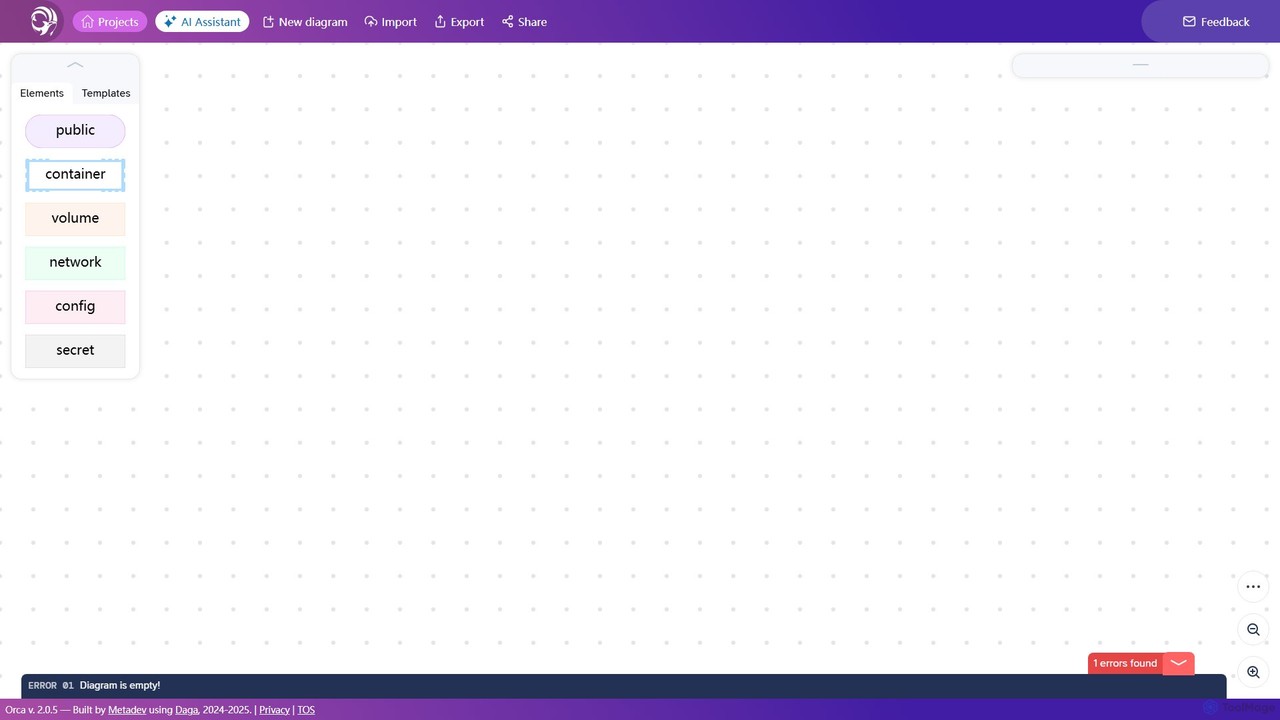
Infrastructure as Code (IaC) tools are applications that manage and provision computing infrastructure through machine-readable definition files. Instead of manual configuration, these tools use code to define resources like servers, databases, and networks, enabling automated, repeatable, and consistent environment setup. This approach brings software development best practices, such as version control and peer review, to infrastructure management, significantly increasing speed and reliability. IaC is a foundational practice within DevOps, bridging the gap between development and operations.
Core Features
- Declarative Syntax: Define the desired end state of your infrastructure, and the tool determines how to achieve it.
- Version Control Integration: Store infrastructure configurations in Git to track changes, collaborate, and enable rollbacks.
- Automated Provisioning: Automatically create, update, and delete cloud resources based on code changes.
- State Management: Maintain a record of the current state of managed resources to plan and execute changes accurately.
- Modularity and Reusability: Create reusable components or modules for common infrastructure patterns to accelerate deployment.
Use Cases
IaC tools are primarily used by DevOps engineers, Site Reliability Engineers (SREs), and cloud architects. Common applications include creating identical development, staging, and production environments to prevent configuration drift, automating disaster recovery by codifying infrastructure for quick replication in another region, and managing complex multi-cloud deployments from a single, unified workflow.
How to Choose
When selecting an IaC tool, consider its cloud provider support (native, multi-cloud, or hybrid). Evaluate the syntax and language used—whether it's a domain-specific language (DSL) like HCL or a general-purpose language like Python or TypeScript. Also, assess its state management capabilities (local vs. remote state locking) and the strength of its community, including the availability of pre-built modules and plugins.