REVIEWS.io AI Reply
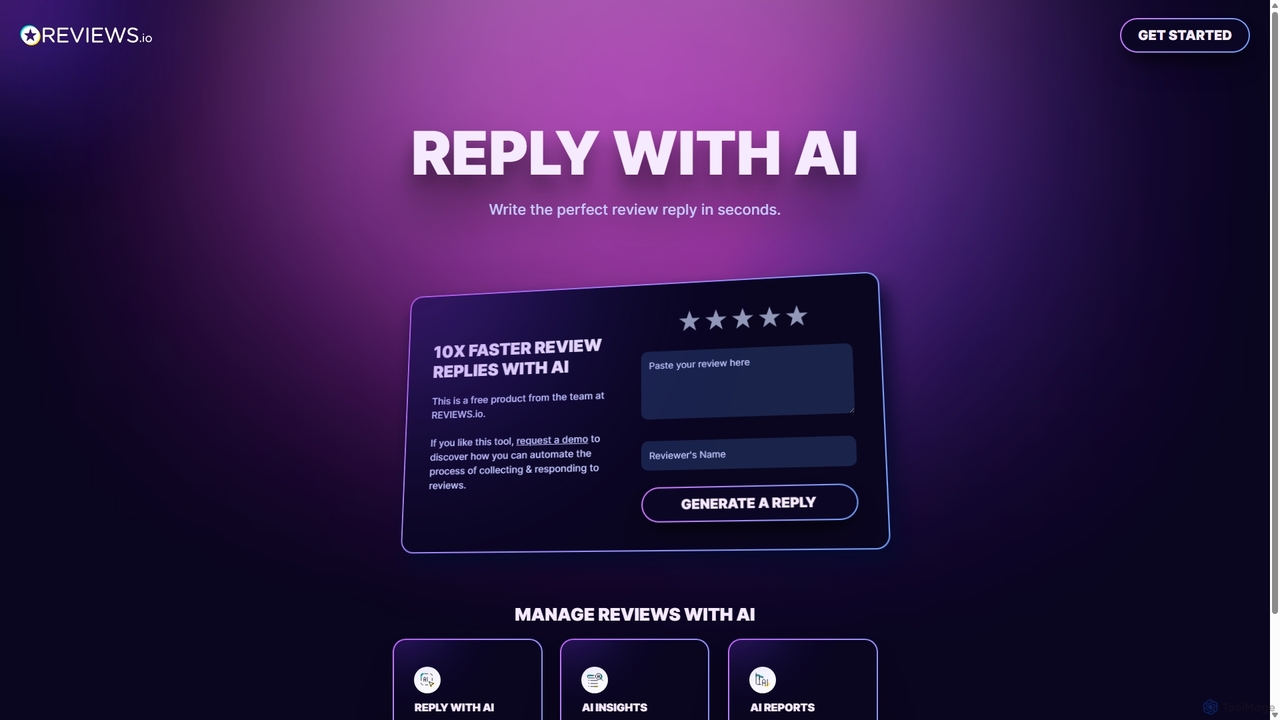
REVIEWS.io AI Reply is an intelligent tool designed to automate and streamline the process of responding to customer …
REVIEWS.io AI Reply is an intelligent tool designed to automate and streamline the process of responding to customer reviews. It uses advanced AI to analyze review sentiment and content, generating personalized, on-brand replies instantly. This helps businesses save time, maintain a consistent voice, and improve their online reputation across multiple platforms.
ChatDaddy
ChatDaddy is an all-in-one WhatsApp automation platform designed for businesses. It enhances customer communication through a shared Team …
ChatDaddy is an all-in-one WhatsApp automation platform designed for businesses. It enhances customer communication through a shared Team Inbox, no-code chatbot builder, targeted broadcast messaging, and e-commerce integrations. It helps teams improve productivity, increase sales, and deliver exceptional customer support.
Chat360
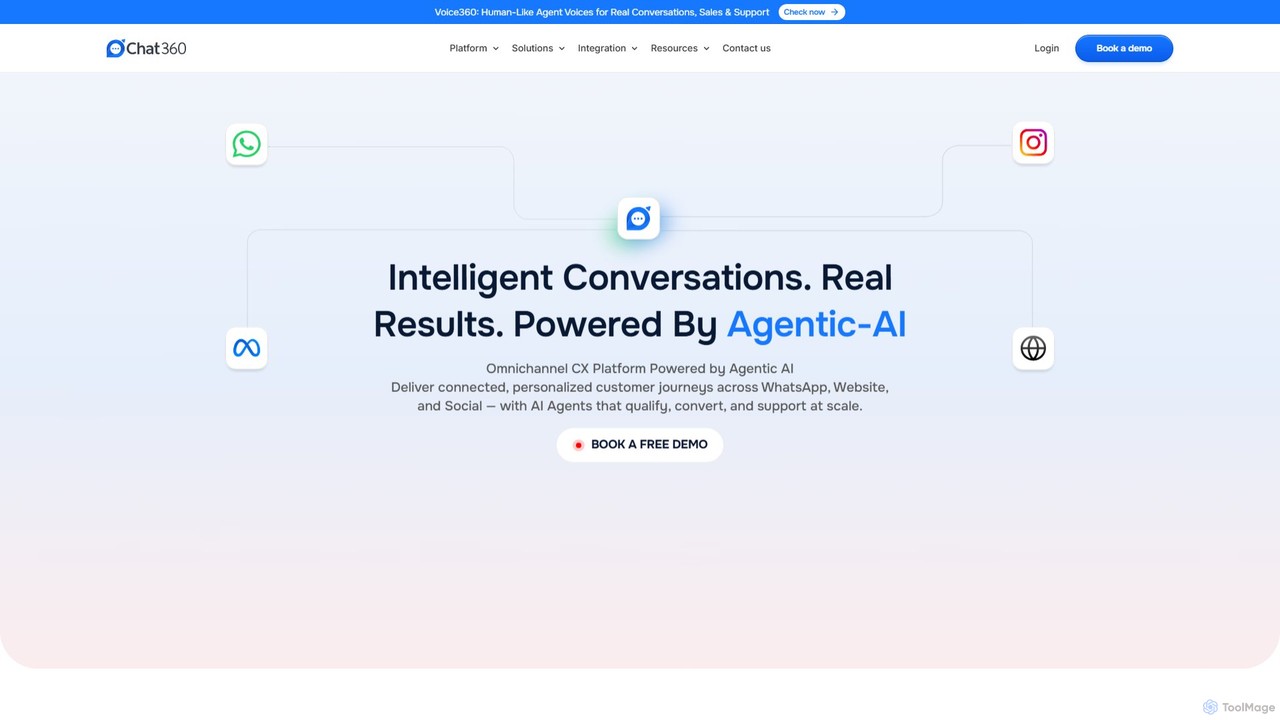
Chat360 is an Agentic-AI powered omnichannel customer experience platform. It enables businesses to deploy intelligent AI chatbots and …
Chat360 is an Agentic-AI powered omnichannel customer experience platform. It enables businesses to deploy intelligent AI chatbots and voicebots across WhatsApp, web, and social media to automate sales, support, and engagement, driving scalable growth and improving customer satisfaction.
Recart
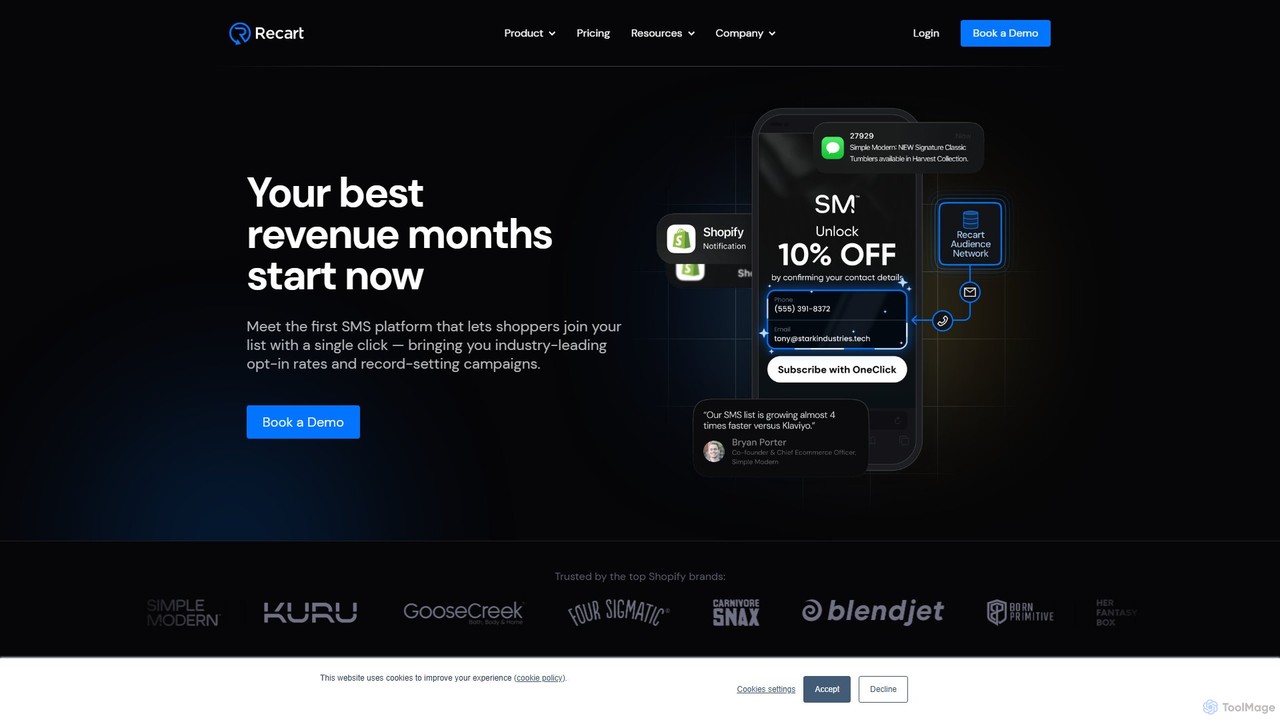
Recart is a managed SMS marketing and list growth platform designed specifically for Shopify brands. It combines high-converting …
Recart is a managed SMS marketing and list growth platform designed specifically for Shopify brands. It combines high-converting popups, including a unique OneClick Opt-in feature, with fully managed SMS campaigns. Each client receives a dedicated strategist to handle everything from list growth and segmentation to campaign creation and A/B testing, aiming to drive significant revenue growth for e-commerce stores.
Bravobots
Bravobots provides fully managed AI chatbot solutions for websites, specializing in e-commerce. By leveraging advanced LLMs like GPT-4 …
Bravobots provides fully managed AI chatbot solutions for websites, specializing in e-commerce. By leveraging advanced LLMs like GPT-4 and Claude, it automates customer service, reduces operational costs by up to 70%, and enhances user engagement. The service includes custom setup, 24/7 support, real-time order tracking, and automated upselling to boost sales and customer satisfaction.
About Customer Engagement
Customer Engagement tools are AI-powered platforms designed to build and maintain strong relationships with customers throughout their lifecycle. These tools leverage data analysis and machine learning to automate personalized communication across various channels like email, SMS, and in-app messages. The primary goal is to increase customer satisfaction, boost loyalty, and maximize lifetime value by delivering timely, relevant, and proactive interactions. By understanding user behavior, these platforms can predict needs and trigger automated actions to guide, support, and retain customers effectively within an e-commerce context.
Core Features
- Automated Workflows: Design multi-step, multi-channel communication sequences triggered by specific user actions or attributes.
- Behavioral Segmentation: Automatically group users based on real-time activities, purchase history, and engagement levels for hyper-targeted campaigns.
- AI-Powered Personalization: Utilize AI to dynamically tailor message content, product recommendations, and offers for each individual user.
- Proactive Chatbots & Messaging: Deploy intelligent chatbots that initiate conversations to prevent cart abandonment or offer assistance based on user behavior.
- A/B Testing & Optimization: Test different messages, timings, and channels to continuously improve engagement metrics and conversion rates.
Applicable Scenarios
These tools are essential for e-commerce businesses, SaaS companies, and mobile app developers. Marketing managers use them to automate onboarding and re-engagement campaigns. Customer success teams leverage them to provide proactive support and gather feedback, while e-commerce store owners use them to reduce churn and increase repeat purchases.
How to Choose
When selecting a tool, evaluate its integration capabilities with your existing e-commerce platform and CRM. Assess the depth of its automation and personalization features. Consider the range of supported communication channels (email, SMS, push, etc.) and ensure its analytics dashboard provides actionable insights into customer behavior and campaign performance.
Customer EngagementUse Cases
Automating Cart Abandonment Recovery
An e-commerce manager notices a high cart abandonment rate. Using a customer engagement tool, they set up an automated workflow. When a user leaves items in their cart for over an hour, the system automatically sends a personalized email with images of the cart items. If there's no response after 24 hours, a follow-up SMS is sent with a limited-time 10% discount code. This proactive, multi-channel approach helps recover potentially lost sales, directly boosting revenue without manual intervention.
Personalized Onboarding for New SaaS Users
A SaaS company wants to improve user activation. The product manager designs an onboarding sequence using an engagement tool. Upon signup, a welcome email is sent. The tool then tracks user actions. If a user hasn't tried a key feature within 3 days, an in-app message appears with a short tutorial video. Users who complete key actions receive a congratulatory email. This behavior-driven communication guides users to experience the product's value faster, increasing retention rates.
Proactive Support with AI Chatbots
A customer success team wants to reduce support tickets for common issues. They deploy an AI chatbot from their engagement platform on the pricing and checkout pages. The chatbot is trained to detect user hesitation, such as lingering on a page for too long. It can then proactively initiate a conversation, asking 'Do you have any questions about our plans?' This preemptive support resolves queries instantly, improves the customer experience, and frees up human agents to handle more complex issues.
Re-engaging Inactive Customers with Personalized Offers
A marketing team identifies a segment of customers who haven't made a purchase in 90 days. Using the engagement tool, they create a 'win-back' campaign. The tool's AI analyzes each customer's past purchase history to generate a personalized product recommendation. An automated email is then sent with the subject line 'A Special Offer on Something You'll Love' and features the recommended product. This level of personalization is far more effective than a generic discount, increasing the chances of re-engaging lapsed customers.
Automating Loyalty Program Rewards
An online retailer wants to encourage repeat business through a loyalty program. They use a customer engagement platform to automate it. The tool tracks customer spending and automatically assigns points. When a customer reaches a new tier (e.g., 'Gold Member'), the system triggers a congratulatory push notification and adds a special discount coupon to their account. This automation ensures the loyalty program runs smoothly, provides instant gratification to customers, and encourages them to continue shopping to unlock more rewards.
Gathering Post-Purchase Feedback with Surveys
An e-commerce brand wants to understand customer satisfaction with their new product line. A marketing analyst sets up a workflow in the engagement tool. Seven days after a customer receives an order containing a new product, the system automatically sends an email with a short survey. The tool can then aggregate the responses and use AI-powered sentiment analysis to quickly identify common themes in open-ended feedback. This provides valuable, structured insights for product improvement without manual data collection.