ToolMage
Sign in

Best 5 Digital Products AI tools for E Commerce

Popular Digital Products AI tools in E Commerce include Beacons, Portaly, iPage, tribearc, and linkable, helping you work more efficiently.

iPage
Freemium

iPage

iPage is an AI-powered coloring page generator that transforms text prompts or photos into high-quality, printable line art. It offers features like Text to Coloring Page, Photo to Coloring Page, and Batch Mode, making it ideal for creators, educators, and sellers on platforms like Amazon KDP and Etsy.

Generative Art
Visits 105KFavorites 90Likes 100
Portaly
Freemium

Portaly

Portaly is an all-in-one, AI-powered link-in-bio and micro-website builder for creators. It enables users to consolidate social media links, build an audience with email lists, and monetize content by selling digital products, courses, and services directly from a single, customizable page.

Digital Products
Visits 909KFavorites 138Likes 128
tribearc
Paid

tribearc

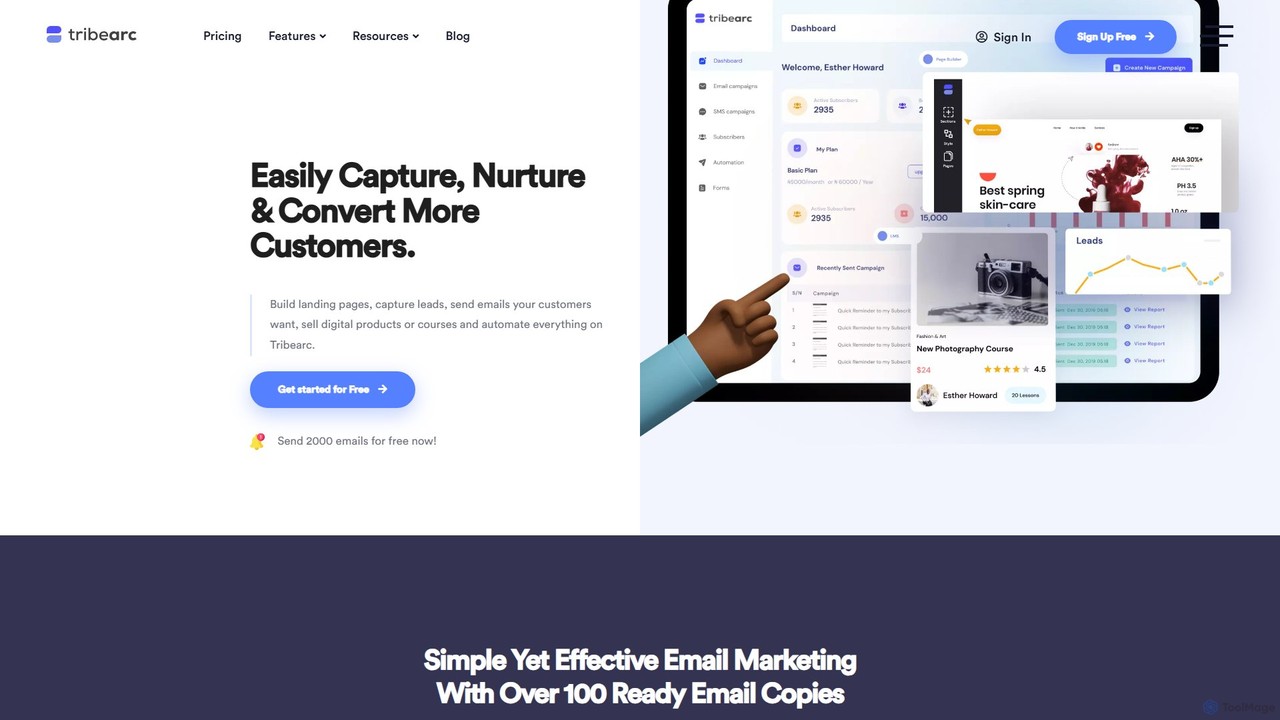
Tribearc is an all-in-one marketing and sales platform designed to help entrepreneurs and businesses win more customers. It integrates tools for building landing pages, email automation, lead capture, and selling digital products, simplifying the entire sales funnel.

Digital Products
Visits 5.8KFavorites 144Likes 135
linkable
Freemium

linkable

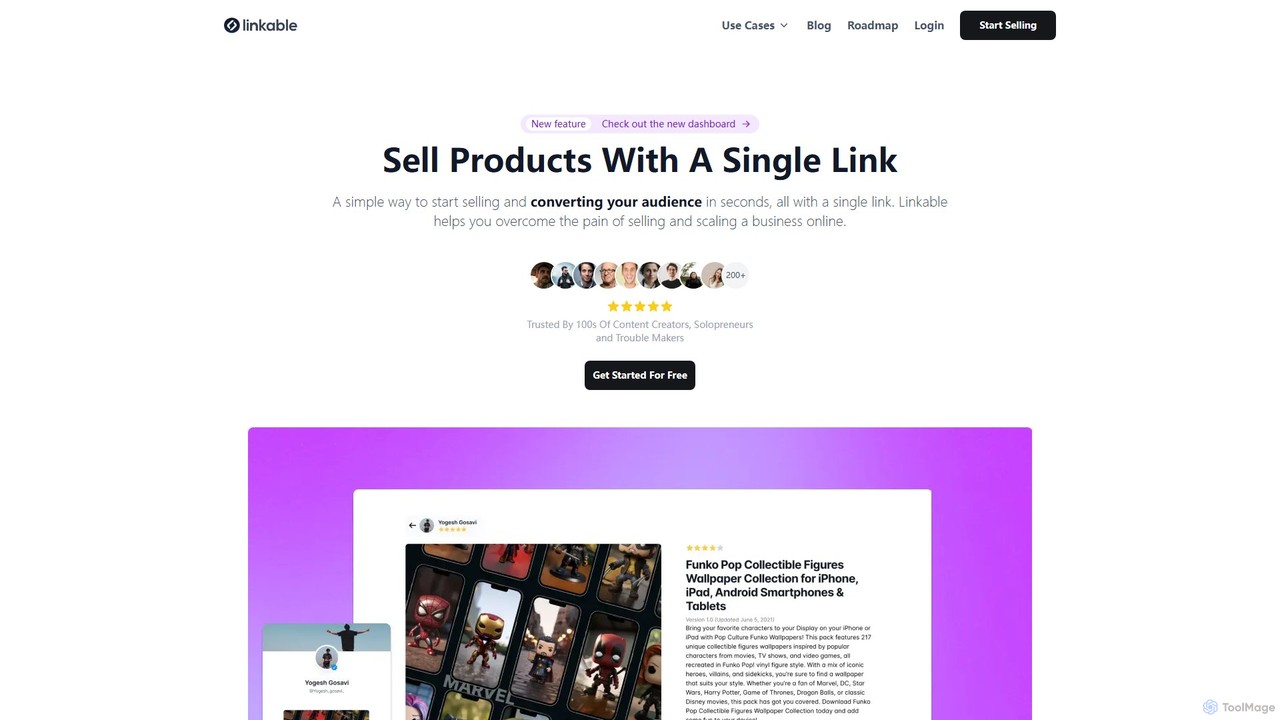
Linkable is an all-in-one platform for creators and solopreneurs to build a beautiful storefront, sell digital products, and consolidate all social links with a single URL. It features an AI helper for product descriptions, Stripe integration for payments, and powerful analytics to boost sales and audience engagement.

Digital Products
Visits 5.3KFavorites 91Likes 103
Beacons
Freemium

Beacons

Beacons is an all-in-one platform for creators, offering a mobile-first website builder, link-in-bio, e-commerce, email marketing, and AI-powered tools. It helps influencers and entrepreneurs monetize their audience, manage brand partnerships, and grow their business from a single hub.

Digital Products
Visits 25.5MFavorites 101Likes 111

About Digital Products

Digital Products are AI-powered tools designed to automate and enhance the creation, management, and marketing of digital goods for online sales. These tools leverage advanced algorithms to streamline processes from content generation to storefront optimization, enabling entrepreneurs and businesses to efficiently launch and scale their digital offerings within the broader e-commerce landscape.

Core Features

  • Content Generation: Automatically create text, images, audio, or video for e-books, courses, or templates.
  • Productization & Packaging: Assist in structuring, bundling, and formatting digital assets into marketable products.
  • Storefront Integration: Seamlessly connect with e-commerce platforms for listing, selling, and delivery.
  • Marketing & Promotion: Generate compelling product descriptions, ad copy, and social media content.
  • Analytics & Optimization: Provide insights into sales performance and suggest improvements for digital product offerings.

Applicable Scenarios

Online course creators use these tools to develop lesson plans and quiz content. E-book authors leverage AI for outline generation and drafting chapters. Digital artists utilize them to create variations of assets or generate marketing visuals for their digital downloads. SaaS companies can automate the creation of user guides or onboarding sequences for their software.

How to Choose

When selecting a Digital Products AI tool, consider its compatibility with your existing e-commerce platform and content formats. Evaluate the range and quality of its content generation capabilities, ensuring it meets your specific creative needs. Look for features that support product packaging, marketing automation, and provide useful analytics. Finally, assess its scalability and pricing model to align with your business growth.

Digital Products use cases

1

Automate E-book Content Generation

An independent author or content creator can use Digital Products AI tools to accelerate the writing process for e-books. By inputting a topic or outline, the AI can generate chapter drafts, research summaries, or even entire sections of text, significantly reducing the time spent on initial content creation and allowing the author to focus on refining and personalizing the narrative.

2

Develop Online Course Modules

Educators and online course providers can leverage Digital Products AI to streamline the creation of course materials. The AI can assist in generating lesson plans, quiz questions, assignment prompts, and even video script outlines based on learning objectives. This enables instructors to quickly build comprehensive and engaging course modules, reducing development time by up to 50% and allowing for more frequent course updates.

3

Design Digital Asset Bundles

Graphic designers, photographers, and digital artists selling assets like stock photos, icons, or templates can use AI to generate variations or complementary items. By feeding existing designs, the AI can suggest new styles, color palettes, or even create entirely new, unique assets that fit a specific theme, helping to quickly expand product lines and offer diverse bundles to customers, increasing sales potential.

4

Optimize SaaS Onboarding Flows

SaaS companies can deploy Digital Products AI to personalize and optimize their user onboarding experiences. The AI can analyze user behavior and preferences to dynamically generate tailored onboarding emails, in-app tutorials, or help documentation. This leads to higher user engagement and retention rates by providing relevant support and guidance from the moment a new user signs up for a digital product.

5

Generate Marketing Copy for Digital Downloads

Marketers and e-commerce store owners selling digital downloads (e.g., software, templates, music) can use Digital Products AI to create compelling marketing copy. The AI can generate product descriptions, ad headlines, social media posts, and email marketing content tailored to specific target audiences and product features, saving hours of manual writing and improving the effectiveness of promotional campaigns for digital goods.

6

Personalize Digital Product Recommendations

E-commerce platforms and digital marketplaces can integrate Digital Products AI to offer highly personalized product recommendations to users. By analyzing browsing history, purchase patterns, and demographic data, the AI can suggest relevant e-books, courses, software, or templates, significantly enhancing the user experience and driving higher conversion rates. This intelligent recommendation system helps users discover digital products they are most likely to value.

Digital Products FAQ

What are Digital Products AI tools?

Digital Products AI tools are software solutions that leverage artificial intelligence to assist in the entire lifecycle of digital goods, from creation to sales. They typically feature capabilities like automated content generation (e.g., text, images, audio), product packaging, e-commerce integration, and marketing automation. These tools are designed to empower creators and businesses to efficiently produce, manage, and sell digital assets like e-books, online courses, software, and templates.

How do AI tools help in creating digital products?

AI tools significantly streamline the creation of digital products by automating various tasks. They can generate initial drafts of text for e-books or course modules, create visual assets like icons or illustrations, and even compose background music or voiceovers. This automation reduces the manual effort and time required, allowing creators to focus on refining the quality and uniqueness of their offerings. AI also helps in brainstorming ideas and ensuring content consistency across different product components.

What's the difference between Digital Products AI and general E-commerce AI tools?

While both fall under the E-commerce umbrella, Digital Products AI tools specifically focus on the unique challenges and opportunities of selling non-physical goods. General E-commerce AI tools might optimize inventory, logistics, or physical product photography. In contrast, Digital Products AI specializes in content generation (for e-books, courses), digital asset management, secure delivery mechanisms, and marketing tailored for intangible items, addressing the distinct needs of creators and sellers of digital-only offerings.

Who can benefit most from using Digital Products AI tools?

A wide range of individuals and businesses can benefit significantly. This includes independent creators like authors, educators, musicians, and graphic designers who sell their work online. Small to medium-sized businesses offering SaaS solutions, digital templates, or online courses also find these tools invaluable for scaling operations. Essentially, anyone involved in the creation, marketing, or sales of intangible goods can leverage Digital Products AI to enhance efficiency and reach a broader audience.

What should I look for when choosing a Digital Products AI tool?

When selecting a Digital Products AI tool, prioritize its core functionalities, such as content generation capabilities (text, visuals, audio) and its compatibility with your specific digital product type (e.g., e-books, courses, software). Look for robust e-commerce platform integrations, secure digital asset management, and effective marketing automation features. Consider the tool's ease of use, scalability, customer support, and pricing model to ensure it aligns with your technical proficiency, business growth, and budget.