
ToolMage
Sign in

Best 1 Etsy AI tools for E Commerce

Popular Etsy AI tools in E Commerce include RankHero, helping you work more efficiently.

RankHero
Freemium

RankHero

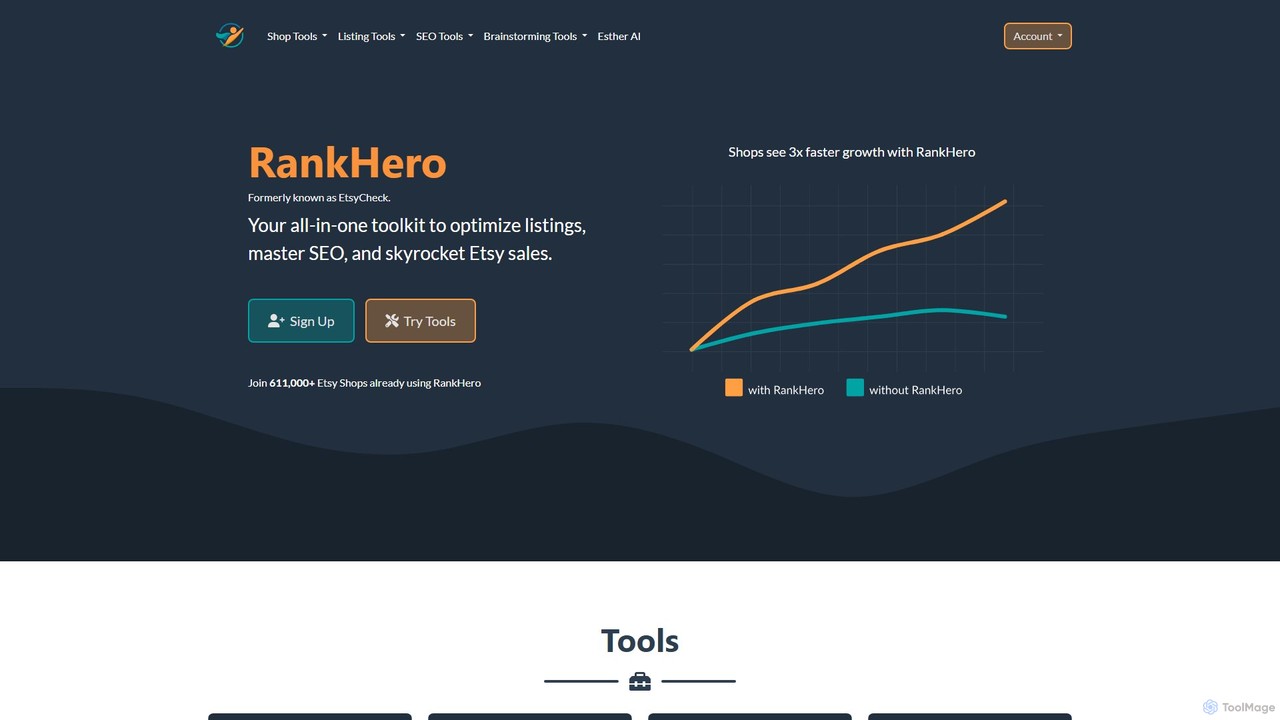
RankHero is a comprehensive AI-powered toolkit for Etsy sellers. It offers a suite of tools for SEO, listing optimization, competitor analysis, and buyer verification. Features include a keyword trend analyzer, tag generator, rank checker, and the popular BuyerCheck tool to review buyer history. RankHero helps sellers increase visibility, optimize listings, and make informed decisions to grow their Etsy shop.

Etsy
Visits 93.7KFavorites 113Likes 112

About Etsy

Etsy AI tools are specialized applications designed to help sellers on the Etsy platform automate tasks and optimize their shops for increased visibility and sales. These tools leverage artificial intelligence, particularly natural language processing and data analysis, to streamline key aspects of running an online store. They provide data-driven insights and content creation capabilities tailored specifically to the unique marketplace of handmade goods, vintage items, and craft supplies. By automating repetitive tasks, these tools allow creators to focus more on their craft and product development.

Core Features

  • Listing Optimization: Generates SEO-friendly titles, tags, and attributes based on analysis of Etsy's search algorithm and current trends.
  • AI Product Descriptions: Creates compelling and unique product descriptions that highlight key features and attract buyers.
  • Market & Trend Analysis: Identifies popular niches, trending keywords, and competitive pricing strategies within the Etsy ecosystem.
  • Image & Mockup Generation: Creates or enhances product photos and generates lifestyle mockups for digital products, improving visual appeal.
  • Review Management: Analyzes customer feedback to identify common themes and helps draft responses to reviews.

Use Cases

These tools are ideal for Etsy sellers of all levels, from new shop owners seeking guidance to established sellers looking to scale. They are particularly valuable for creators of handmade items, digital product designers, and vintage curators who need to manage numerous listings efficiently. The primary goal is to reduce the administrative burden of marketing and SEO, allowing sellers to compete more effectively.

How to Choose

When selecting an Etsy AI tool, consider its specific focus—whether it's on SEO, content writing, or image creation. Evaluate its integration with the Etsy platform and its ability to access real-time data. Look at the pricing model to ensure it aligns with your shop's budget and sales volume. Finally, prioritize tools with a user-friendly interface that doesn't require extensive technical knowledge to operate effectively.

Etsy use cases

1

Optimizing a New Product Listing for SEO

A handmade jewelry maker wants to launch a new silver necklace on their Etsy shop. They use an AI tool to analyze top-ranking competitor listings for similar necklaces. The tool suggests high-volume, low-competition keywords like 'dainty silver choker' and 'minimalist layering necklace'. It then generates five title variations and a list of 13 relevant tags. Finally, it drafts a compelling product description incorporating these keywords naturally, focusing on the craftsmanship and materials. This process, which used to take hours of manual research, is completed in under 15 minutes, significantly improving the listing's chances of being discovered in Etsy search.

2

Generating Lifestyle Mockups for Digital Art

A graphic designer sells digital wall art prints. To attract customers, they need to show how the art looks in various home settings. Instead of buying expensive photo stocks or spending hours in Photoshop, they use an AI mockup generator. They upload their art file, and the tool automatically places it into hundreds of pre-designed scenes like living rooms, offices, and nurseries. They can select the best 5-10 mockups for their listing photos. This not only saves significant time and money but also provides professional, high-quality images that help customers visualize the product in their own space, leading to higher conversion rates.

3

Analyzing Market Trends for a New Product Line

A seller of handmade candles wants to expand their product offerings for the upcoming holiday season. They use an Etsy-specific AI trend analysis tool to identify emerging trends. The tool analyzes search data, popular listings, and social media mentions related to 'holiday candles'. It reveals that 'wooden wick candles', 'scents like gingerbread and fir', and 'eco-friendly packaging' are rapidly growing in popularity. Armed with this data, the seller confidently develops a new line of candles that aligns with these trends, creating targeted listings that have a higher probability of success compared to relying on guesswork.

4

Automating Customer Inquiry Responses

A seller of personalized gifts receives dozens of similar questions daily, such as 'What's the shipping time to Canada?' or 'Can you engrave this font?'. Answering these manually is time-consuming. They integrate an AI tool that analyzes incoming messages. The tool identifies common questions and suggests pre-written, personalized response templates. For simple queries, it can even auto-reply. This frees up several hours per week for the seller, allowing them to focus on creating and shipping orders, while also improving customer service with faster, consistent response times.

5

Crafting Social Media Content to Drive Traffic

A potter wants to promote their new collection of ceramic mugs on Instagram and Pinterest to drive traffic to their Etsy shop. Using an AI content generator, they input details about their new collection. The tool generates several engaging post captions, suggesting relevant hashtags like potterylove, handmademug, and coffeelover. It also provides ideas for Pinterest pin titles and descriptions, optimized for search on that platform. This allows the potter to quickly create a month's worth of promotional content, maintaining a consistent social media presence and directing potential buyers to their shop without spending hours on content creation.

6

Analyzing Competitor Pricing Strategies

A seller of vintage clothing finds it difficult to price unique items competitively. They use an AI tool that scans Etsy for similar sold listings. By inputting keywords like '1970s floral maxi dress', the tool provides a report on the average, low, and high price points for comparable items. It also analyzes factors like condition, brand, and seller reputation that influence price. This data-driven approach helps the seller price their items confidently, finding the sweet spot between maximizing profit and ensuring a quick sale, removing the guesswork and emotional bias from pricing decisions.

Etsy FAQ

What are AI tools for Etsy?

AI tools for Etsy are specialized software applications that use artificial intelligence to help sellers optimize their online shops. They automate and enhance tasks that are crucial for success on the platform, such as search engine optimization (SEO), writing product descriptions, analyzing market trends, and creating marketing content. Unlike general e-commerce tools, they are specifically tailored to Etsy's unique algorithm, categories, and customer base, focusing on handmade, vintage, and craft supply markets.

How do I choose the right AI tool for my Etsy shop?

To choose the right AI tool for your Etsy shop, first identify your biggest challenge. Is it writing descriptions, finding keywords, or creating images? Then, consider these factors:

  • Specific Features: Look for a tool that excels at the task you need most, whether it's SEO, content generation, or market analysis.
  • Etsy Integration: Ensure the tool connects directly with your Etsy shop for seamless data transfer and updates.
  • Ease of Use: Select a tool with an intuitive interface that you can use efficiently without a steep learning curve.
  • Pricing: Choose a subscription plan that fits your budget and offers value based on your shop's size and sales volume.
  • Reviews: Check feedback from other Etsy sellers to understand the tool's real-world performance and reliability.
Can AI tools write my Etsy product descriptions for me?

Yes, many AI tools for Etsy are specifically designed to write product descriptions. They use natural language generation (NLG) models to create unique, human-like text. You typically provide a few key details about your product (e.g., materials, dimensions, style), and the AI generates a full description. These tools can incorporate SEO keywords, adopt a specific tone of voice (e.g., playful, professional), and structure the text with bullet points for readability. While the generated text is often very good, it's always recommended to review and edit it slightly to add your personal touch and ensure complete accuracy.

Are Etsy AI tools different from general e-commerce tools?

Yes, they are significantly different. While general e-commerce tools (like those for Shopify or Amazon) focus on broad metrics like inventory management and logistics, Etsy AI tools are highly specialized. They are trained on data from the Etsy marketplace, which means they have a deep understanding of its specific search algorithm, customer behavior, and product categories (handmade, vintage, craft supplies). They excel at tasks like generating tags relevant to Etsy's system, analyzing trends within creative niches, and crafting descriptions that appeal to buyers looking for unique, non-mass-produced items.

Who can benefit most from using Etsy AI tools?

While any Etsy seller can benefit, certain groups find these tools particularly valuable:

  • New Sellers: They provide guidance on SEO and best practices, helping new shops get discovered faster.
  • Sellers with Many Listings: For those managing hundreds of items, AI tools can automate updates and optimizations, saving immense amounts of time.
  • Non-Writers and Non-Marketers: Creators who excel at making products but struggle with writing compelling copy or understanding SEO can leverage AI to fill those gaps.
  • Data-Driven Sellers: Those who want to make strategic decisions based on market trends rather than intuition will find the analytics features indispensable.