
ToolMage
Sign in

Best 1 Health & Wellness AI tools for E Commerce

Popular Health & Wellness AI tools in E Commerce include Casa de Sante, helping you work more efficiently.

Casa de Sante
Freemium

Casa de Sante

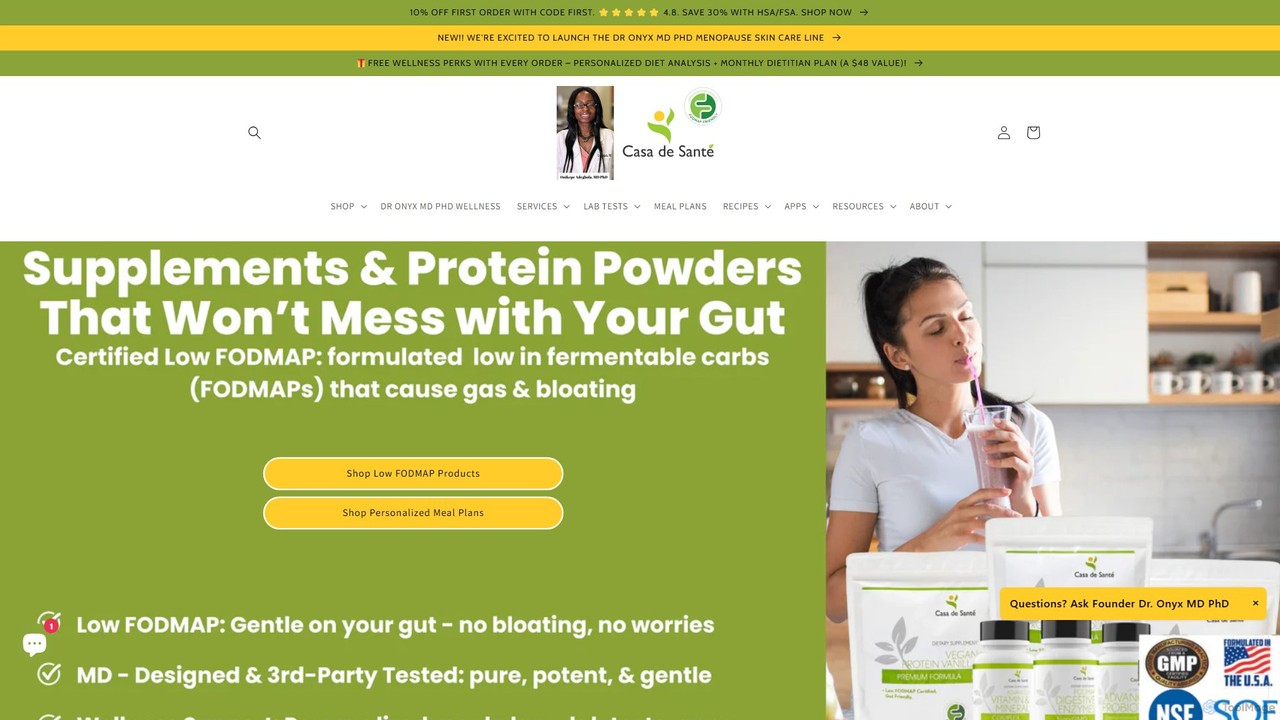
Casa de Sante is a physician-led wellness platform offering science-backed solutions for gut health. It provides low FODMAP certified products, personalized meal plans, at-home lab tests, and expert consultations to help manage conditions like IBS, SIBO, and bloating, promoting lasting digestive relief and overall well-being.

Health & Wellness
Visits 58.1KFavorites 142Likes 149

About Health & Wellness

AI Health & Wellness tools are specialized applications designed for e-commerce businesses that sell health-related products and services. These tools leverage artificial intelligence to offer personalized customer experiences, automate marketing, and ensure regulatory compliance. They analyze customer data, preferences, and behavior to provide tailored product recommendations, from supplements to fitness gear. This approach helps build customer trust and increases conversion rates in the competitive online wellness market.

Core Features

  • Personalized Recommendation Engines: Suggests vitamins, skincare, or fitness plans based on user quizzes and purchase history.
  • Compliant Content Generation: Creates marketing copy, blog posts, and product descriptions that adhere to health industry advertising standards.
  • AI-Powered Customer Support: Deploys chatbots trained on specific product knowledge to answer questions about ingredients, usage, and benefits.
  • Predictive Sales Analytics: Forecasts demand for seasonal or trending wellness products to optimize inventory management.

Applicable Scenarios

These tools are ideal for online supplement retailers, digital fitness platforms, organic food stores, and beauty brands focusing on skincare. For example, an online vitamin store can use an AI quiz to create personalized daily packs for customers, while a fitness apparel brand can use AI to recommend sizing and styles.

Selection Criteria

When choosing a tool, consider its integration capabilities with e-commerce platforms like Shopify or WooCommerce. Evaluate the accuracy and customization options of its recommendation algorithm. Prioritize solutions with strong data privacy policies and the ability to generate content that aligns with health advertising regulations.

Health & Wellness use cases

1

Personalized Vitamin Recommendation Quiz

An e-commerce manager for an online supplement store implements an AI-powered quiz on their website. Customers answer questions about their lifestyle, dietary habits, and health goals. The AI tool instantly analyzes their responses and recommends a personalized daily vitamin pack. This replaces generic product listings with a tailored shopping experience, helping to increase the average order value and build customer loyalty by showing a direct understanding of individual needs.

2

Generate Compliant Marketing Copy for Skincare

A marketing team for a natural skincare brand needs to create ad copy and product descriptions. They use an AI content generator trained on health and beauty advertising regulations. The team inputs product features and desired benefits. The AI generates compelling copy that highlights the product's qualities (e.g., 'hydrates and soothes') while avoiding unproven medical claims (e.g., 'cures eczema'). This ensures marketing materials are both effective and compliant, reducing legal risks.

3

AI Chatbot for Fitness Equipment Support

An online store selling home gym equipment deploys an AI chatbot on its product pages. A potential customer asks, 'What's the weight capacity of this treadmill?' and 'Is assembly difficult?'. The chatbot, trained on the store's entire product catalog and FAQ database, provides instant, accurate answers 24/7. This frees up human support agents to handle more complex inquiries and ensures customers get the information they need to make a purchase decision quickly, even outside of business hours.

4

Predicting Demand for Seasonal Wellness Products

The inventory manager for a large online health store uses an AI analytics tool to forecast sales. The tool analyzes historical sales data, market trends, and even public health data (like flu season reports). Based on this analysis, it predicts a surge in demand for Vitamin C and immune support supplements starting in October. The manager adjusts inventory orders accordingly, preventing stockouts during peak season and avoiding overstocking of less popular items, thus optimizing cash flow.

5

Automating Social Media Content for a Yoga Studio

A digital marketer for an online yoga platform uses an AI tool to manage their social media presence. They set parameters for tone of voice ('calm and encouraging') and content pillars ('mindfulness tips', 'pose tutorials', 'class announcements'). The AI generates a month's worth of Instagram captions, Facebook posts, and tweet ideas. This automates the time-consuming task of daily content creation, allowing the marketer to focus on community engagement and strategic campaign planning.

6

Personalized Meal Plan Generation for Subscribers

A subscription-based healthy meal kit service uses an AI tool to enhance its offering. New subscribers complete a profile detailing their dietary restrictions (e.g., gluten-free, vegan), taste preferences, and fitness goals. Each week, the AI generates a unique, personalized meal plan and shopping list for each user. This level of personalization goes beyond standard menu options, significantly increasing customer retention and providing a strong competitive advantage in the food subscription market.

Health & Wellness FAQ

What are AI Health & Wellness tools for e-commerce?

AI Health & Wellness tools for e-commerce are specialized software that help online stores sell health-related products more effectively. They use AI to personalize recommendations, create compliant marketing content, and provide intelligent customer support. Unlike generic e-commerce tools, they are designed with the specific needs of the wellness industry in mind, such as handling sensitive customer data and navigating advertising regulations.

How do I choose the right AI tool for my online wellness store?

To choose the right tool, consider these factors:

  • Integration: Ensure it connects smoothly with your e-commerce platform (e.g., Shopify, WooCommerce).
  • Specialization: Look for tools specifically designed for your niche, whether it's supplements, skincare, or fitness.
  • Compliance & Privacy: Verify that the tool helps you adhere to advertising standards (like FDA/FTC guidelines) and has strong data privacy policies.
  • Customization: Check if you can tailor the AI's recommendations and content generation to match your brand's voice and product specifics.
Can these AI tools provide medical advice?

No, absolutely not. AI Health & Wellness tools for e-commerce are designed for commercial purposes, such as product recommendations and marketing. They are not medical devices and cannot diagnose, treat, or cure any disease. It is crucial for businesses using these tools to include clear disclaimers stating that the information provided is not a substitute for professional medical advice. Customers should always consult a healthcare provider for health concerns.

What's the difference between a general e-commerce AI and a Health & Wellness AI?

The main difference is specialization. A general e-commerce AI might be good at recommending clothing based on style, but it lacks the nuanced understanding required for health products. A Health & Wellness AI is trained on specific data related to ingredients, dietary needs, health goals, and regulatory constraints. This allows it to make more relevant and responsible recommendations, generate compliant content, and handle customer queries with greater accuracy within the wellness domain.

Who can benefit from using these AI tools?

A wide range of e-commerce businesses in the wellness sector can benefit. This includes:

  • Online retailers of vitamins, supplements, and herbal remedies.
  • Skincare and beauty brands focused on natural or organic ingredients.
  • Sellers of fitness apparel, yoga gear, and home gym equipment.
  • Subscription box services for healthy snacks, meal kits, or self-care products.
  • Digital platforms offering online fitness classes, meditation guides, or wellness coaching.