AI Listing
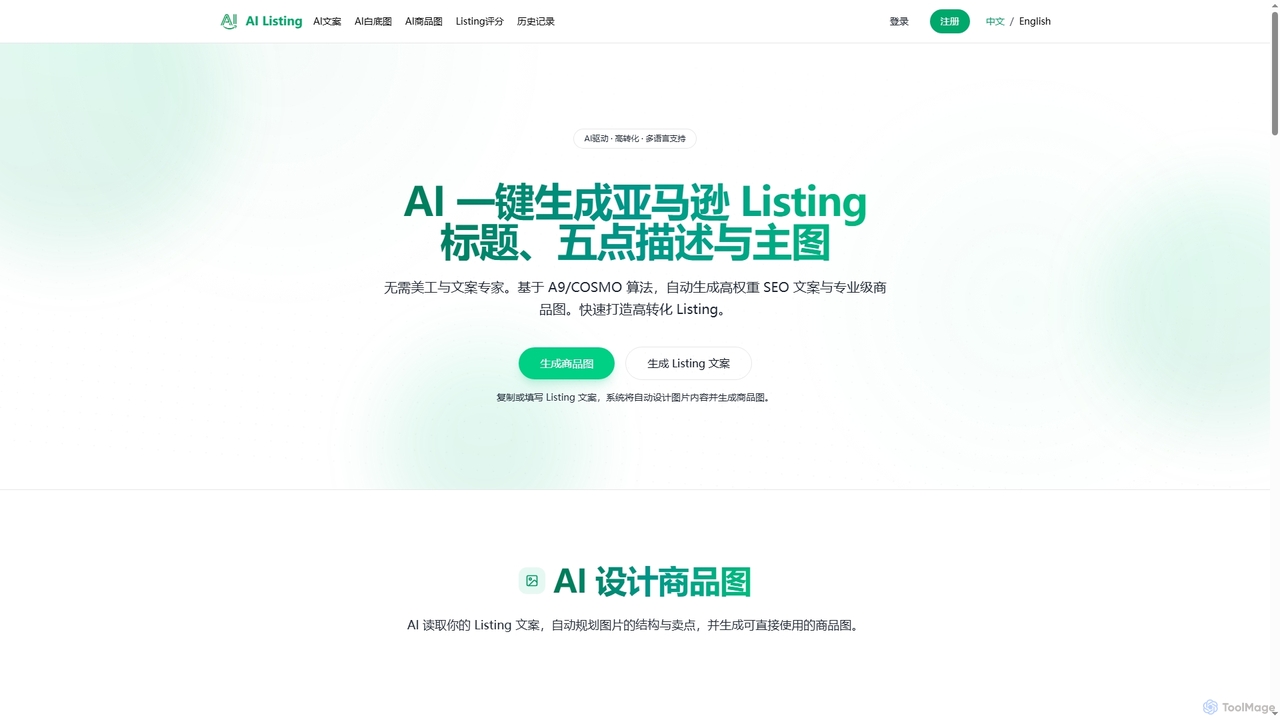
AI Listing is an advanced AI tool designed for Amazon sellers to rapidly generate high-converting product listings and …
AI Listing is an advanced AI tool designed for Amazon sellers to rapidly generate high-converting product listings and professional-grade images. Leveraging A9 and COSMO algorithms, it optimizes titles, bullet points, and descriptions for SEO, while also creating visually compelling product photos, saving time and boosting sales.
Sellfast
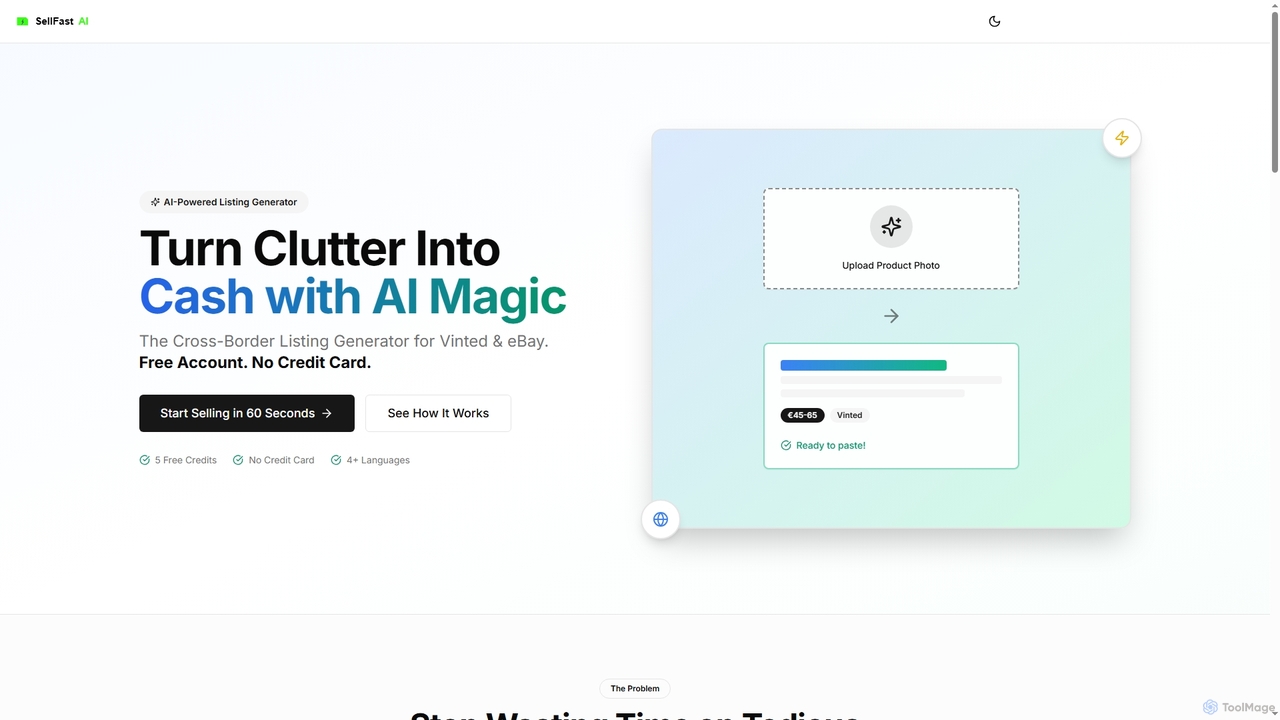
Sellfast is an AI-powered listing generator for e-commerce resellers on platforms like Vinted and eBay. Simply upload a …
Sellfast is an AI-powered listing generator for e-commerce resellers on platforms like Vinted and eBay. Simply upload a product photo, and the AI instantly creates optimized titles, multilingual descriptions in over 30 languages, relevant hashtags, and market-based price suggestions, reducing listing time from minutes to seconds.
CopyMonkey
CopyMonkey is an AI-powered tool designed for Amazon sellers to generate and optimize product listings in seconds. By …
CopyMonkey is an AI-powered tool designed for Amazon sellers to generate and optimize product listings in seconds. By leveraging strategic keyword placement and competitor analysis, it creates high-ranking titles, bullet points, and descriptions to boost organic visibility and drive sales on the Amazon marketplace.
Intellifox
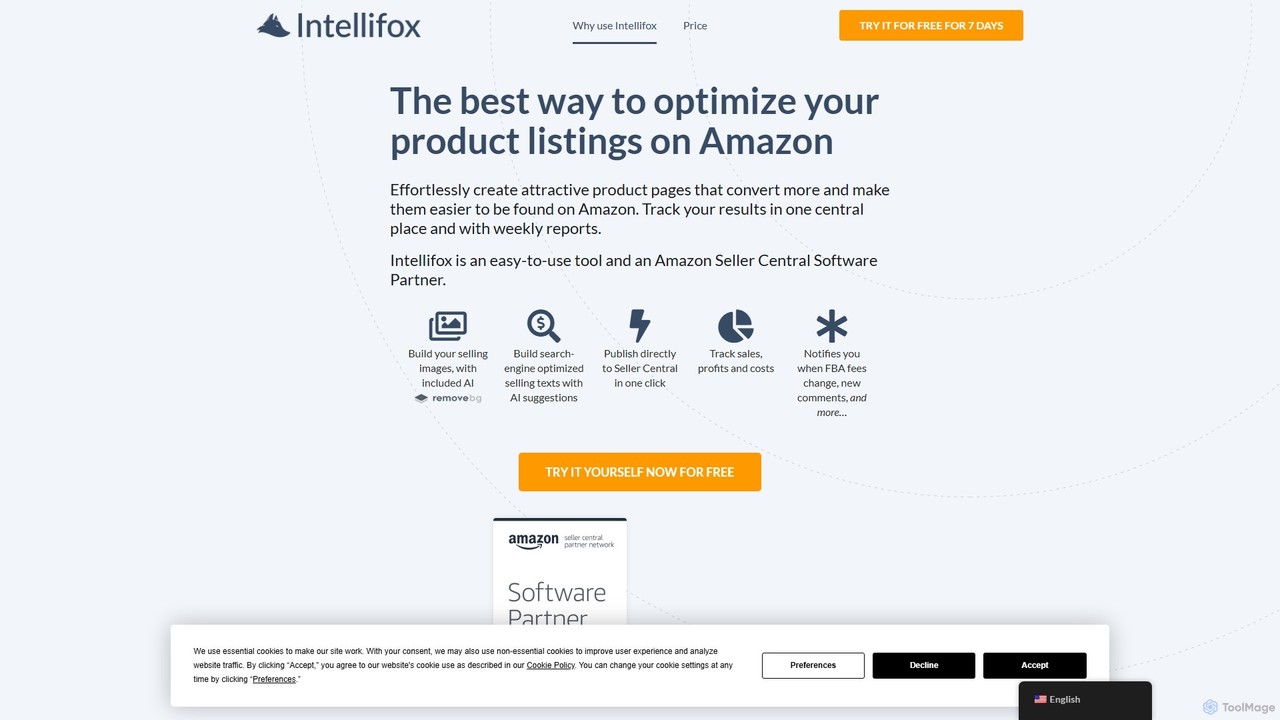
Intellifox is an all-in-one AI-powered platform for Amazon sellers to optimize product listings. It streamlines the creation of …
Intellifox is an all-in-one AI-powered platform for Amazon sellers to optimize product listings. It streamlines the creation of high-converting product pages with AI-generated text, an integrated image editor, and keyword suggestions. Users can manage variations, track sales and profits, automate review requests, and publish directly to Seller Central with a single click. It's designed to save time, increase visibility, and boost sales on Amazon.
About Listing Optimization
Listing Optimization tools are AI-powered solutions designed to create, analyze, and enhance product listings for e-commerce platforms. They leverage Natural Language Processing (NLP) and data analysis to generate compelling titles, descriptions, and keywords that align with platform algorithms. These tools help sellers improve search visibility, increase click-through rates, and boost conversion by transforming standard product data into persuasive, SEO-friendly content. This automates a critical and time-consuming aspect of online retail, enabling sellers to manage large product catalogs with greater efficiency and data-driven precision.
Core Features
- Keyword Research & Integration: Identifies high-traffic, relevant keywords and suggests optimal placement within titles, bullet points, and backend fields.
- AI Content Generation: Automatically creates persuasive and SEO-friendly product titles, descriptions, and feature bullet points from basic product information.
- Performance Analytics: Tracks key metrics such as keyword ranking, page views, and conversion rates to measure the impact of optimizations.
- Competitor Analysis: Scans and analyzes top-performing competitor listings to uncover successful keyword strategies and content structures.
- Listing Quality Scoring: Provides an objective score for listing health based on platform best practices, highlighting areas for improvement.
Use Cases
These tools are essential for e-commerce sellers on platforms like Amazon, Shopify, Etsy, and eBay. They are widely used by private label brand owners, online retailers with extensive catalogs, and digital marketing agencies managing client storefronts. For instance, a seller launching a new product can use these tools to build a fully optimized listing from scratch, while a business with thousands of SKUs can use them to systematically update and improve existing listings at scale.
How to Choose
When selecting a Listing Optimization tool, first consider its platform compatibility and integration capabilities with your specific sales channels. Evaluate the depth of its feature set—does it only generate text, or does it also provide analytics, keyword tracking, and competitor insights? Assess the quality and relevance of its data sources for keyword suggestions. Finally, consider the user interface and ease of use, especially if team members without deep SEO knowledge will be using it.

Listing OptimizationUse Cases
Optimizing Titles for an Amazon FBA Launch
An Amazon FBA seller is preparing to launch a new kitchen gadget. To maximize initial visibility, they use a listing optimization tool to analyze the top 10 competing products. The tool identifies high-volume 'main' keywords and several long-tail keywords related to specific uses. Based on this data, the AI generates five distinct, SEO-friendly title variations. The seller then uses Amazon's 'Manage Your Experiments' feature to A/B test these titles, quickly identifying the version that achieves the highest click-through rate (CTR) and drives the most initial sales.
Bulk Refreshing Product Descriptions for a Shopify Store
A Shopify store owner with over 500 SKUs in the fashion category notices that many product descriptions are outdated and lack a consistent brand voice. Manually rewriting them would take weeks. Instead, they connect their store to a listing optimization tool. They set a new brand voice guideline and define key features to highlight. The tool then processes the entire catalog in batches, generating new, engaging, and SEO-optimized descriptions for every product. The owner reviews and approves the changes, completing the entire project in a few days instead of months.
Developing a Niche Keyword Strategy for an Etsy Shop
An Etsy seller specializing in handmade leather goods faces stiff competition. To stand out, they use a listing optimization tool specifically designed for Etsy's algorithm. The tool helps them move beyond broad keywords like 'leather wallet' and identifies highly specific, long-tail keywords such as 'minimalist front pocket wallet for men' or 'hand-stitched personalized leather journal'. By integrating these niche keywords into their titles, tags, and descriptions, the seller starts attracting more qualified buyers who are searching for jejich exact products, leading to a higher conversion rate and improved shop ranking.
Analyzing Competitor Listings for Market Entry
A brand plans to enter the competitive market for yoga mats. Before designing their product listing, their marketing team uses an optimization tool's competitor analysis feature. They input the ASINs of the top 5 best-selling yoga mats on Amazon. The tool extracts and analyzes the keywords, title structures, bullet point themes, and even negative review sentiments from these listings. This provides invaluable insights, revealing that customers frequently complain about mats being 'too slippery'. The team uses this data to craft a listing that highlights their mat's 'superior non-slip grip', directly addressing a key market pain point and creating a strong competitive advantage from day one.
Maintaining Brand Consistency Across Multiple Marketplaces
A consumer electronics brand sells its products on Amazon, Walmart Marketplace, and its own website. To ensure brand consistency, they use a listing optimization tool as a central hub. They create a 'master listing' for each product, including core descriptions, features, and approved images. The tool then helps them adapt this master content for each specific platform, suggesting platform-specific keywords (e.g., different search terms are popular on Amazon vs. Walmart) and formatting adjustments. This workflow ensures that while each listing is optimized for its channel, the core brand message and product information remain consistent everywhere.
Monitoring and Improving Listing Health Score
A digital marketing agency manages 20 different Amazon accounts for its clients. Manually checking the health of hundreds of listings is impractical. They use a listing optimization tool that provides a 'Listing Health Score' for each product. The dashboard flags listings with low scores due to issues like missing bullet points, unindexed keywords, or low-quality images. The agency's team can then prioritize their work, focusing on the listings that need the most urgent attention. This proactive approach helps them maintain high standards across all client accounts and demonstrate tangible improvements in performance over time.