ToolMage
Sign in

Best 2 Marketing AI tools for E Commerce

Popular Marketing AI tools in E Commerce include Influs and Simplicity AI, helping you work more efficiently.

Influs
Freemium

Influs

Influs is an AI-driven influencer marketing platform designed to simplify and enhance your campaigns. It helps you discover the perfect influencers, monitor campaign performance in real-time, track affiliate results, and match with creators who genuinely love your brand. Get deep audience insights and data-driven reports to maximize your ROI.

Marketing
Visits 9.8KFavorites 122Likes 146
Simplicity AI
Freemium

Simplicity AI

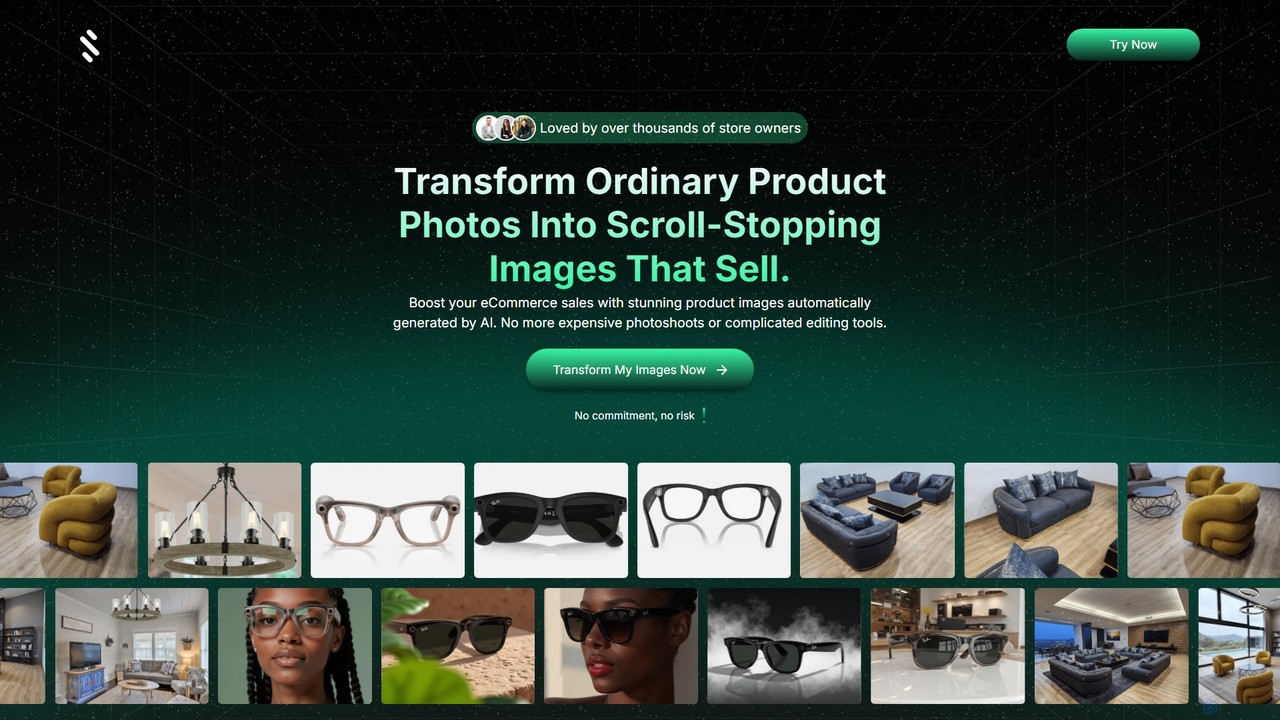
Simplicity AI is an AI-powered tool designed for e-commerce businesses to transform basic product photos into stunning, professional-grade images and model shots. It automates the creation of high-quality visuals, eliminating the need for expensive photoshoots and complex editing software, ultimately helping to boost sales and conversions.

Marketing
Visits 8.1KFavorites 106Likes 92

About Marketing

AI Marketing tools are a category of artificial intelligence applications designed to optimize and automate various marketing processes. Leveraging machine learning, natural language processing, and data analytics, these tools enhance campaign effectiveness, personalize customer experiences, and streamline operations, particularly benefiting businesses in the competitive e-commerce landscape. They empower marketers to make data-driven decisions, predict trends, and engage customers more efficiently.

Core Features

  • Content Generation: Automatically create ad copy, social media posts, blog outlines, and email content tailored to specific audiences and platforms.
  • Audience Segmentation & Targeting: Analyze vast customer data to identify precise segments and deliver highly personalized messages and offers.
  • Campaign Optimization: Continuously monitor and adjust ad spend, bidding strategies, and creative elements in real-time for maximum ROI.
  • Predictive Analytics: Forecast market trends, customer behavior, and campaign performance to inform strategic planning.
  • Customer Service Automation: Deploy AI-powered chatbots and virtual assistants to handle routine inquiries, qualify leads, and provide instant support.

Applicable Scenarios

E-commerce businesses utilize AI marketing for personalized product recommendations and automated ad campaigns. Digital marketing agencies leverage these tools for efficient content creation and comprehensive performance analysis across client accounts. Product managers can also use AI to understand market demand and refine messaging for new launches.

How to Choose

When selecting AI Marketing tools, consider their integration capabilities with your existing CRM, e-commerce platforms, and ad networks. Evaluate the specific marketing functions they excel at, such as content generation, analytics, or automation. Assess scalability to match your business growth and ensure robust data privacy and security features are in place.

Featured tool rankings

Marketing use cases

1

Automated Ad Copy Generation for E-commerce

E-commerce marketers can rapidly generate hundreds of ad copy variations for A/B testing across platforms like Google Ads and Facebook. By inputting product descriptions and target audience profiles, AI tools create compelling headlines and body text, significantly reducing manual effort and accelerating campaign launch times, leading to higher conversion rates.

2

Personalized Product Recommendations

Online retailers deploy AI to analyze individual customer browsing history, purchase patterns, and demographic data. This enables the system to offer highly tailored product suggestions on websites, in emails, or through ads, enhancing the shopping experience and driving increased sales and customer loyalty by showing relevant items.

3

Predictive Lead Scoring and Nurturing

Sales and marketing teams in e-commerce use AI to score potential leads based on their engagement with marketing materials, website activity, and demographic information. This allows them to prioritize high-potential prospects, personalize follow-up communications, and optimize lead nurturing sequences, improving conversion efficiency.

4

Social Media Content Optimization

Digital marketing specialists leverage AI to analyze audience engagement data, identify trending topics, and determine optimal posting times for various social platforms. The tools can also suggest content ideas or even generate drafts for posts, ensuring maximum reach and interaction while saving content creation time.

5

Dynamic Email Marketing Personalization

Businesses send highly targeted email campaigns where content, subject lines, and offers are dynamically adjusted for each recipient based on their past interactions and preferences. AI analyzes customer data to craft personalized messages, leading to higher open rates, click-through rates, and ultimately, better campaign ROI.

6

Market Trend Analysis and Competitor Monitoring

Marketing strategists utilize AI to continuously monitor vast amounts of online data, including social media, news, and competitor websites. This provides real-time insights into emerging market trends, consumer sentiment, and competitor strategies, enabling proactive adjustments to marketing plans and the identification of new opportunities.

Marketing FAQ

What are AI Marketing tools?

AI Marketing tools are software applications that use artificial intelligence technologies like machine learning and natural language processing to automate, optimize, and personalize marketing activities. They help marketers analyze data, predict customer behavior, generate content, and manage campaigns more effectively, especially crucial for data-rich environments like e-commerce.

How do AI Marketing tools benefit e-commerce businesses?

For e-commerce, AI Marketing tools offer significant benefits by enabling hyper-personalization of shopping experiences, automating ad campaign optimization, and providing predictive analytics for inventory and sales. This leads to increased customer engagement, higher conversion rates, improved ROI on marketing spend, and more efficient operational workflows.

What's the difference between AI Marketing and traditional digital marketing?

Traditional digital marketing relies heavily on manual analysis, rule-based automation, and human intuition. AI Marketing, conversely, uses advanced algorithms to learn from data, make autonomous decisions, and provide predictive insights. It offers a higher degree of personalization, real-time optimization, and scalability beyond what manual methods can achieve.

What key features should I look for in an AI Marketing platform?

When choosing an AI Marketing platform, prioritize features such as seamless integration with your existing CRM, e-commerce platforms, and advertising channels. Look for robust analytics and reporting, advanced content generation capabilities, comprehensive audience segmentation, and real-time campaign optimization. Scalability and strong data security are also vital considerations.

Can AI Marketing tools help with content creation?

Yes, AI Marketing tools are highly effective for content creation. They can generate diverse marketing copy, including ad headlines, product descriptions, social media posts, and email subject lines. Some advanced tools can even assist with video script outlines or image suggestions, significantly speeding up content production and ensuring brand consistency.