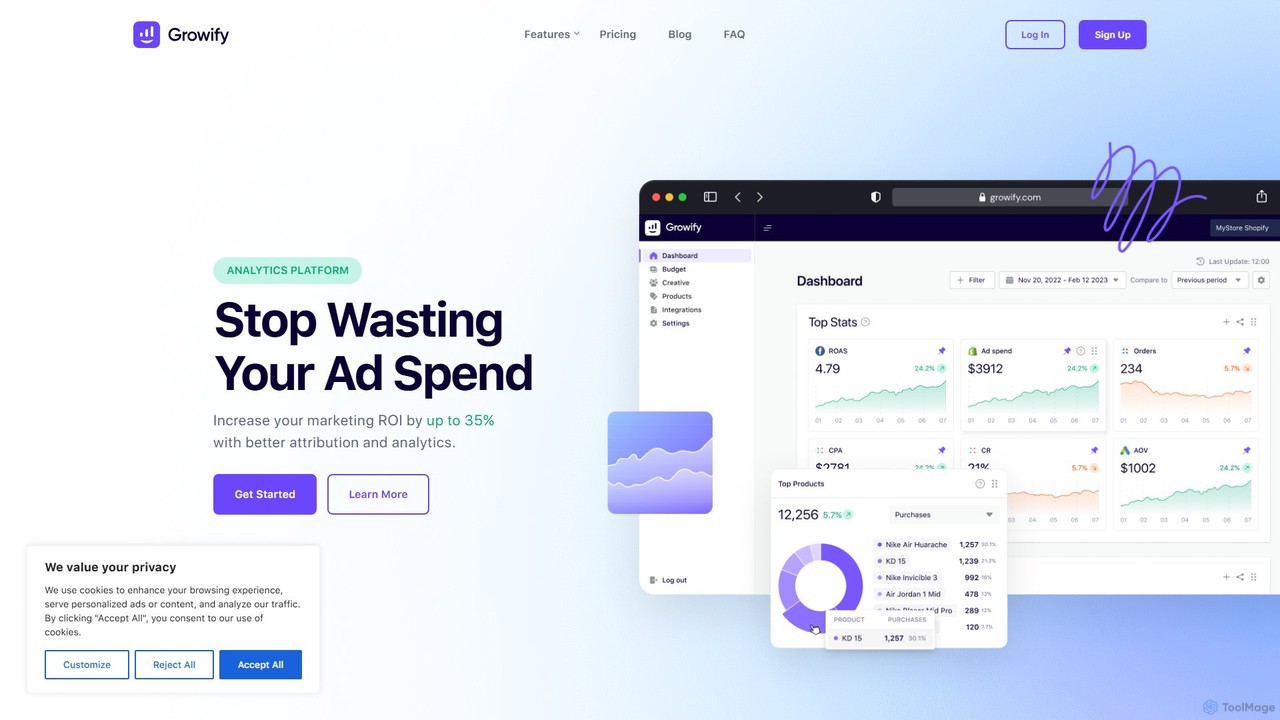
E-commerce Optimization tools are AI-powered platforms designed to systematically improve key performance metrics for online stores. They leverage machine learning algorithms to analyze user behavior, market trends, and sales data to automate enhancements in areas like pricing, conversion rates, and user experience. The primary value of these tools is their ability to make data-driven decisions at scale, helping businesses maximize revenue and operational efficiency without constant manual intervention. This often involves real-time adjustments and personalized interactions across the entire customer journey.
Core Features
- Dynamic Pricing: Automatically adjusts product prices based on competitor pricing, demand, and inventory levels.
- Conversion Rate Optimization (CRO): Conducts automated A/B testing on website elements like headlines, buttons, and layouts to find the best performing versions.
- Personalization Engine: Delivers tailored product recommendations, content, and offers to individual users based on their behavior.
- Ad Spend Optimization: Analyzes campaign performance to reallocate marketing budgets to the most profitable channels and audiences.
- Listing & SEO Enhancement: Suggests improvements for product titles, descriptions, and keywords to increase visibility in search results.
Use Cases
These tools are essential for e-commerce managers, digital marketers, and business owners. They are applied to optimize checkout funnels, improve the effectiveness of advertising campaigns, enhance product discovery through personalization, and maintain competitive pricing strategies in dynamic markets. For instance, a marketing team might use a tool to automatically test landing page variations to increase sign-ups.
How to Choose
When selecting an e-commerce optimization tool, consider its integration capabilities with your existing platform (e.g., Shopify, Magento, WooCommerce). Evaluate the specific optimization features you need most, such as dynamic pricing versus A/B testing. Assess the tool's analytical depth and reporting features. Finally, consider the pricing model and its scalability as your business grows.