ToolMage
Sign in

Best 3 Platform for E Commerce

Popular Platform in E Commerce include Rierino, smartwebi, and IgnitionStack, helping you work more efficiently.

IgnitionStack
Paid

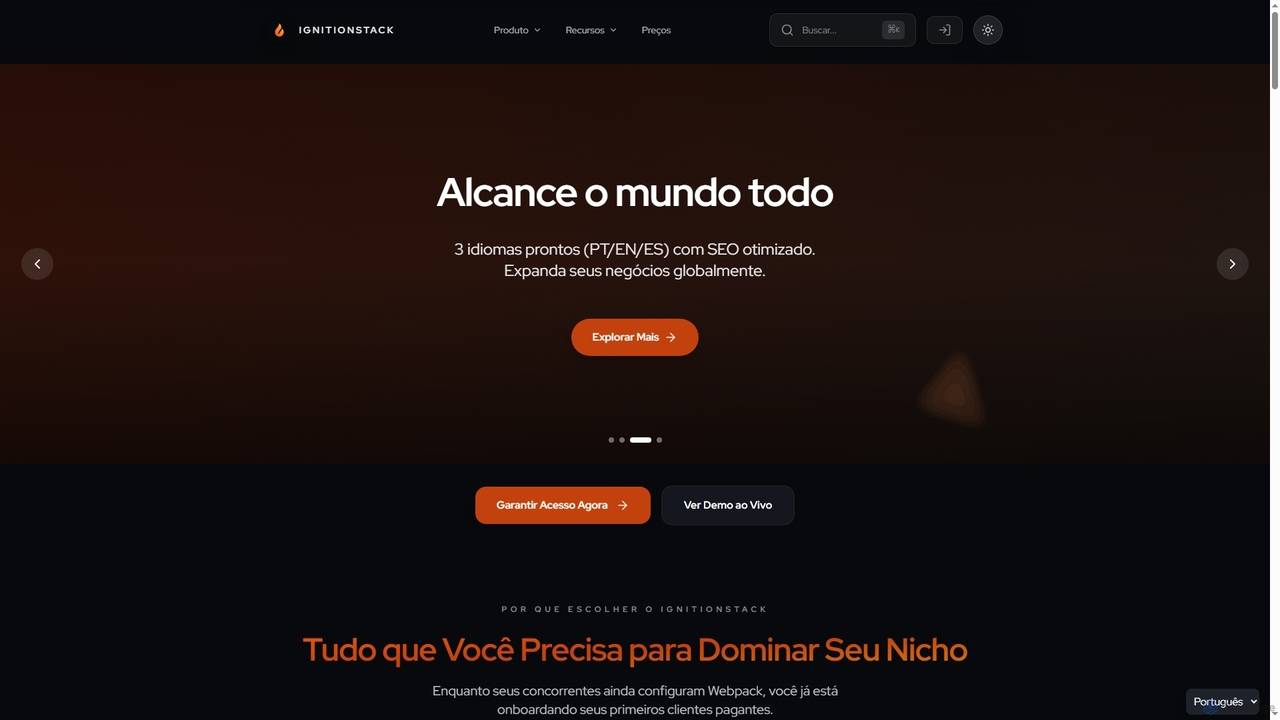
IgnitionStack

IgnitionStack is a production-ready SaaS boilerplate built with Next.js 15, Supabase, and Stripe, designed to help developers and entrepreneurs launch their SaaS products in days, not months. It saves over 200 hours of development time with pre-configured authentication, payments, internationalization, and a robust architecture.

Chatbot Builder
Visits 3.4KFavorites 25Likes 16
Rierino
Paid

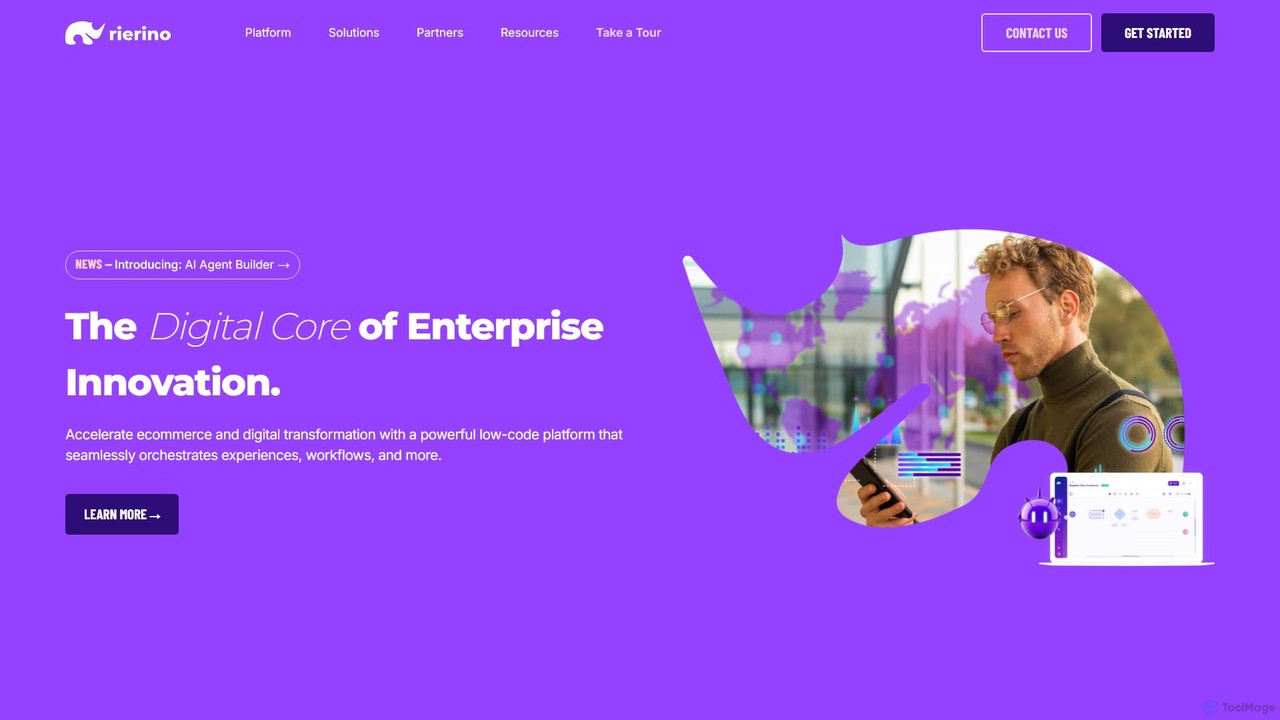
Rierino

Rierino is an enterprise-grade low-code platform designed for digital innovation. It enables businesses to build and deploy intelligent AI agents, orchestrate complex workflows, and accelerate e-commerce and digital transformation. The platform combines composable commerce, rapid API development, and embedded AI to create scalable, high-performance solutions for B2B, B2C, and marketplace models.

Agent Builder
Visits 8.2KFavorites 112Likes 108
smartwebi
Freemium

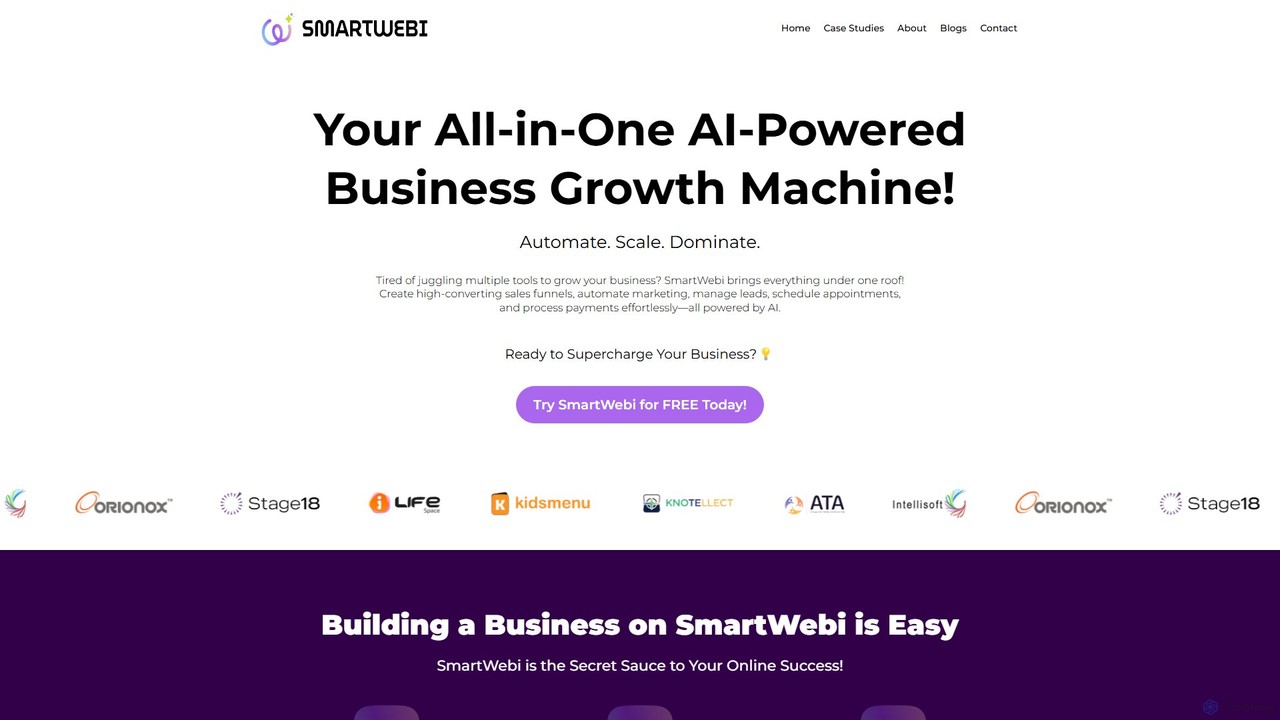
smartwebi

smartwebi is an all-in-one, AI-powered business growth platform designed to automate marketing, build sales funnels, manage customer relationships, and sell products. It integrates websites, CRM, e-commerce, and automation tools into a single dashboard, helping businesses scale efficiently without juggling multiple applications.

Crm
Visits 4KFavorites 100Likes 103

About Platform

AI E-commerce Platforms are integrated solutions that provide a complete framework for building and managing online stores, with artificial intelligence embedded into their core functions. These systems leverage machine learning for tasks like personalized product recommendations, dynamic pricing, and automated inventory management. They empower businesses to automate complex operations, enhance the customer shopping experience, and make data-driven decisions to boost sales. Unlike adding separate AI plugins to a standard store, these platforms offer a unified ecosystem where all AI-driven features work together seamlessly.

Core Features

  • AI-Powered Personalization: Delivers unique shopping experiences with tailored product recommendations, search results, and content for each visitor.
  • Predictive Analytics for Inventory: Forecasts future sales trends and customer demand to optimize stock levels and prevent stockouts.
  • Automated Marketing Campaigns: Creates and manages targeted email, ad, and social media campaigns based on customer behavior and segmentation.
  • Intelligent Customer Support: Integrates AI chatbots and helpdesks to provide 24/7 support and automate responses to common inquiries.
  • Dynamic Pricing Optimization: Automatically adjusts product prices based on competitor pricing, demand, and inventory levels to maximize revenue.

Use Cases

These platforms are ideal for direct-to-consumer (D2C) brands, online retailers, and enterprises seeking to build a highly efficient and intelligent e-commerce operation. They are used for launching new online stores with advanced capabilities from day one, scaling existing businesses by automating manual tasks, and gaining a competitive edge through deep customer insights.

How to Choose

When selecting an AI E-commerce Platform, consider its scalability to grow with your business and the breadth of its AI features. Evaluate the platform's integration capabilities with third-party systems like payment gateways and shipping providers. Also, assess the user-friendliness of the admin panel for non-technical users and analyze the pricing model to ensure it aligns with your budget and transaction volume.

Featured tool rankings

Platform use cases

1

Launch a Smart Direct-to-Consumer (D2C) Store

An entrepreneur starting a new fashion brand uses an AI E-commerce Platform to build their online store. The platform's built-in AI automatically generates product descriptions, suggests optimal pricing, and creates a personalized homepage for each visitor based on their initial clicks. This allows the founder to launch a sophisticated, conversion-optimized store quickly without needing a large technical team, competing effectively with established brands from day one.

2

Automate Personalized Email Marketing

An e-commerce marketing manager uses their integrated AI platform to enhance email campaigns. The system analyzes customer purchase history and browsing behavior to automatically segment the audience. It then populates email templates with personalized product recommendations for each segment. This level of automation allows the manager to send highly relevant emails to thousands of customers daily, significantly increasing click-through rates and driving repeat purchases without manual effort.

3

Optimize Inventory with Demand Forecasting

An operations manager for an online electronics retailer uses the platform's predictive analytics feature. The AI analyzes historical sales data, seasonality, and current market trends to forecast demand for products like new smartphones and accessories. Based on these forecasts, the system automatically suggests reorder quantities and timelines, preventing costly overstocking of unpopular items and ensuring popular products are always available, thus maximizing sales and customer satisfaction.

4

Enhance Customer Service with an Integrated AI Chatbot

A customer support team for a home goods store deploys their platform's native AI chatbot. The chatbot is pre-trained on the store's product catalog and FAQ page. It handles 70% of incoming queries, such as order tracking, return policy questions, and product specifications, 24/7. This instant support improves customer satisfaction and frees up human agents to focus on complex, high-value interactions like personalized design advice, leading to better overall service quality.

5

Apply Dynamic Pricing for Competitive Advantage

A retailer specializing in consumer electronics uses their AI platform to implement a dynamic pricing strategy. The AI continuously monitors competitor prices, stock levels, and real-time demand signals. For a popular gaming console, the price might be slightly increased during peak demand and lowered to match a competitor's sale. This automated, data-driven approach ensures the retailer remains competitive and maximizes profit margins on every sale without constant manual price adjustments.

6

Reduce Cart Abandonment with AI Triggers

The manager of an online cosmetics store uses their AI platform to combat cart abandonment. The system detects when a user is about to leave the site with items in their cart. It can then trigger an automated, personalized action, such as a pop-up offering a small discount or free shipping. If the user still leaves, the platform automatically sends a follow-up email an hour later with a reminder and the same offer. This proactive, intelligent intervention helps recover a significant portion of potentially lost sales.

Platform FAQ

What is an AI E-commerce Platform?

An AI E-commerce Platform is an all-in-one software solution for creating and running an online store, where artificial intelligence is deeply integrated into its core functionalities. Unlike standard platforms, it natively includes AI-driven features for personalization, marketing automation, inventory management, and customer service. This integration allows for a more cohesive and intelligent operation, helping businesses improve efficiency and increase sales through data-driven automation.

AI Platform vs. standard platform with AI plugins: what's the difference?

The main difference lies in integration and data flow. An AI E-commerce Platform has AI built into its core, meaning all features (like inventory, marketing, and analytics) share the same data and work together seamlessly. A standard platform with AI plugins involves adding third-party tools, which can lead to data silos, compatibility issues, and a less unified user experience. An integrated platform generally offers deeper, more reliable automation and insights.

How do I choose the right AI E-commerce Platform?

To choose the right platform, evaluate these key factors:

  • Business Size & Scalability: Ensure the platform can support your current transaction volume and grow with you.
  • Core AI Features: Identify which AI capabilities are most important for your business (e.g., personalization, demand forecasting, or marketing automation).
  • Integration Ecosystem: Check for compatibility with your existing tools, such as payment gateways, shipping carriers, and accounting software.
  • Ease of Use: Consider the technical skills of your team. A user-friendly interface can save significant time and resources.
  • Pricing Structure: Understand the total cost, including subscription fees, transaction fees, and any charges for additional features.
What are the main benefits of using an AI E-commerce Platform?

The primary benefits include increased sales through AI-powered personalization and product recommendations, improved operational efficiency by automating tasks like inventory management and marketing, and enhanced customer satisfaction with intelligent chatbots and support. Additionally, these platforms provide deep data insights, enabling businesses to make smarter, data-driven decisions about pricing, product assortment, and strategy.

Is an AI E-commerce Platform suitable for small businesses?

Yes, many AI E-commerce Platforms are designed for small and medium-sized businesses (SMBs). They provide access to advanced AI tools that were once only available to large enterprises, leveling the playing field. For a small business, such a platform can automate crucial but time-consuming tasks, provide valuable customer insights, and help create a professional, personalized shopping experience without requiring a large team or deep technical expertise.