
ToolMage
Sign in

Best 1 Product Discovery AI tools for E Commerce

Popular Product Discovery AI tools in E Commerce include CreatorChat, helping you work more efficiently.

CreatorChat
Freemium

CreatorChat

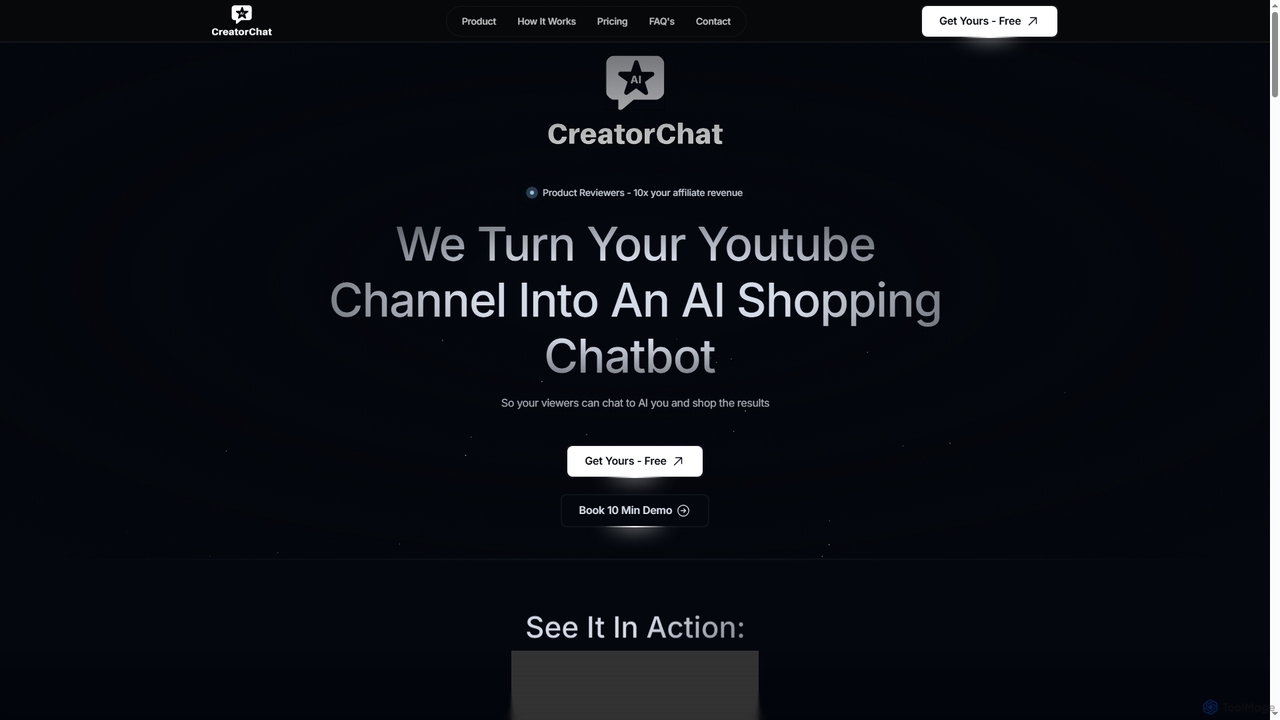
CreatorChat transforms YouTube channels and other social media content into intelligent AI shopping chatbots. It empowers product reviewers and content creators to significantly boost affiliate revenue by offering viewers a personalized, interactive shopping experience, guiding them to the best products and prices directly from their content.

Video Tools
Visits 6.3KFavorites 124Likes 141

About Product Discovery

Product Discovery tools are AI-powered solutions designed to help businesses identify, research, and validate new product ideas or market opportunities within the e-commerce landscape. These tools leverage advanced algorithms to analyze vast datasets, predict market trends, and uncover consumer demand patterns. Their primary value lies in reducing the risks associated with product launches and optimizing inventory strategies for online retailers.

Core Features

  • Market Trend Analysis: Identifies emerging product trends and shifts in consumer preferences.
  • Competitor Intelligence: Analyzes competitor product portfolios, pricing strategies, and sales performance.
  • Demand Forecasting: Predicts future product demand based on historical data and external factors.
  • Keyword Research: Uncovers high-volume, low-competition keywords for product listings and SEO.
  • Supplier Sourcing: Assists in finding potential suppliers for identified product opportunities.

Use Cases

E-commerce businesses utilize these tools to pinpoint profitable niches, identify gaps in existing markets, and validate product concepts before significant investment. They are crucial for staying competitive and responsive to dynamic consumer behaviors, enabling data-driven decisions for product development and marketing.

How to Choose

When selecting a Product Discovery tool, consider its data sources and coverage, the accuracy of its trend predictions, its integration capabilities with existing e-commerce platforms, and the depth of its competitor analysis features. User-friendliness, pricing models, and the ability to filter by specific product categories are also important factors.

Product Discovery use cases

1

Identifying Profitable E-commerce Niches

An aspiring online entrepreneur uses a Product Discovery tool to analyze market data, identify underserved customer segments, and pinpoint product categories with high demand and low competition. By leveraging AI-driven trend analysis and keyword research, they can confidently launch products in a niche market, significantly increasing their chances of success and reducing initial investment risks.

2

Optimizing Existing Product Portfolios

An established e-commerce manager uses Product Discovery tools to evaluate the performance of their current product catalog. The tool analyzes sales data, customer reviews, and competitor offerings to suggest underperforming products for discontinuation or improvement, and identifies new product variations or bundles that could boost sales. This data-driven approach helps optimize inventory, reduce dead stock, and maximize overall profitability.

3

Analyzing Competitor Product Strategies

A marketing team at an online fashion retailer employs a Product Discovery tool to gain insights into their competitors' product launches, pricing models, and promotional activities. The AI analyzes competitor websites, social media, and sales data to reveal successful strategies and identify market gaps they can exploit. This intelligence allows the team to refine their own product development roadmap and marketing campaigns for a competitive edge.

4

Forecasting Product Demand for Inventory Management

A supply chain manager for a consumer electronics e-commerce store utilizes a Product Discovery tool's demand forecasting capabilities. By integrating historical sales data with external factors like seasonal trends, economic indicators, and social media buzz, the AI predicts future product demand with high accuracy. This enables the manager to optimize inventory levels, prevent stockouts or overstocking, and significantly reduce carrying costs, ensuring products are available when customers want them.

5

Generating New Product Ideas from Customer Feedback

A product development team at a direct-to-consumer brand uses a Product Discovery tool to analyze vast amounts of customer feedback, including reviews, support tickets, and social media comments. The AI identifies recurring pain points, unmet needs, and popular feature requests, transforming unstructured data into actionable insights. This process helps the team generate innovative product ideas that directly address customer desires, leading to higher adoption rates and customer satisfaction.

6

Validating Product Concepts Before Launch

A startup planning to launch a new smart home device uses a Product Discovery tool to validate their concept. The tool conducts virtual market simulations, analyzes potential customer segments' willingness to pay, and assesses the competitive landscape. By providing data-backed insights on market viability and potential challenges, the AI helps the startup refine their product features, pricing, and marketing messages, significantly reducing the risk of a failed launch and ensuring a stronger market entry.

Product Discovery FAQ

What are AI Product Discovery tools?

AI Product Discovery tools are advanced software solutions that leverage artificial intelligence to help businesses, especially in e-commerce, identify and evaluate new product opportunities. They analyze vast datasets from various sources like market trends, competitor activities, and customer feedback to provide insights into what products are likely to succeed. These tools aim to reduce the guesswork in product development and sourcing, leading to more data-driven decisions.

How do AI Product Discovery tools benefit e-commerce businesses?

AI Product Discovery tools offer several key benefits to e-commerce businesses. They enable data-driven decision-making by providing insights into market demand, competitor strategies, and emerging trends, reducing the risk of launching unprofitable products. These tools help optimize inventory management through accurate demand forecasting, identify profitable niches, and streamline supplier sourcing. Ultimately, they lead to increased revenue, improved operational efficiency, and a stronger competitive position in the dynamic online marketplace.

What's the difference between Product Discovery and Market Research?

While both Product Discovery and Market Research involve understanding markets, Product Discovery (especially with AI) is more focused and actionable. Market Research is a broader discipline that gathers general information about a market, including demographics, size, and customer behavior. Product Discovery, on the other hand, specifically applies these insights to identify concrete product opportunities, validate concepts, and inform the actual product development and launch strategy within a business context, often leveraging real-time data and predictive analytics for specific product-market fit.

What data sources do AI Product Discovery tools typically use?

AI Product Discovery tools integrate and analyze data from a wide array of sources to provide comprehensive insights. These typically include e-commerce sales data (e.g., Amazon, Shopify), search engine trends (Google Trends, keyword data), social media discussions, customer reviews and feedback, competitor product listings and pricing, supplier databases, and economic indicators. By processing this diverse data, AI can identify patterns and correlations that human analysts might miss, offering a holistic view of market opportunities.

Can Product Discovery tools help with international market expansion?

Yes, AI Product Discovery tools are highly valuable for international market expansion. They can analyze market trends, consumer preferences, and competitive landscapes across different geographical regions and languages. By identifying specific product demands or cultural nuances in new markets, these tools help businesses tailor their product offerings, pricing strategies, and marketing messages for optimal local appeal. This reduces the risks associated with entering unfamiliar markets and accelerates successful global growth.

What are the key features to look for in an AI Product Discovery tool?

When choosing an AI Product Discovery tool, prioritize features like robust market trend analysis, comprehensive competitor intelligence, and accurate demand forecasting. Look for strong keyword research capabilities for SEO and product listing optimization, as well as efficient supplier sourcing assistance. Integration with your existing e-commerce platforms and analytics tools is crucial. Additionally, consider user-friendliness, customization options for specific product categories, and the quality of data visualization for actionable insights.