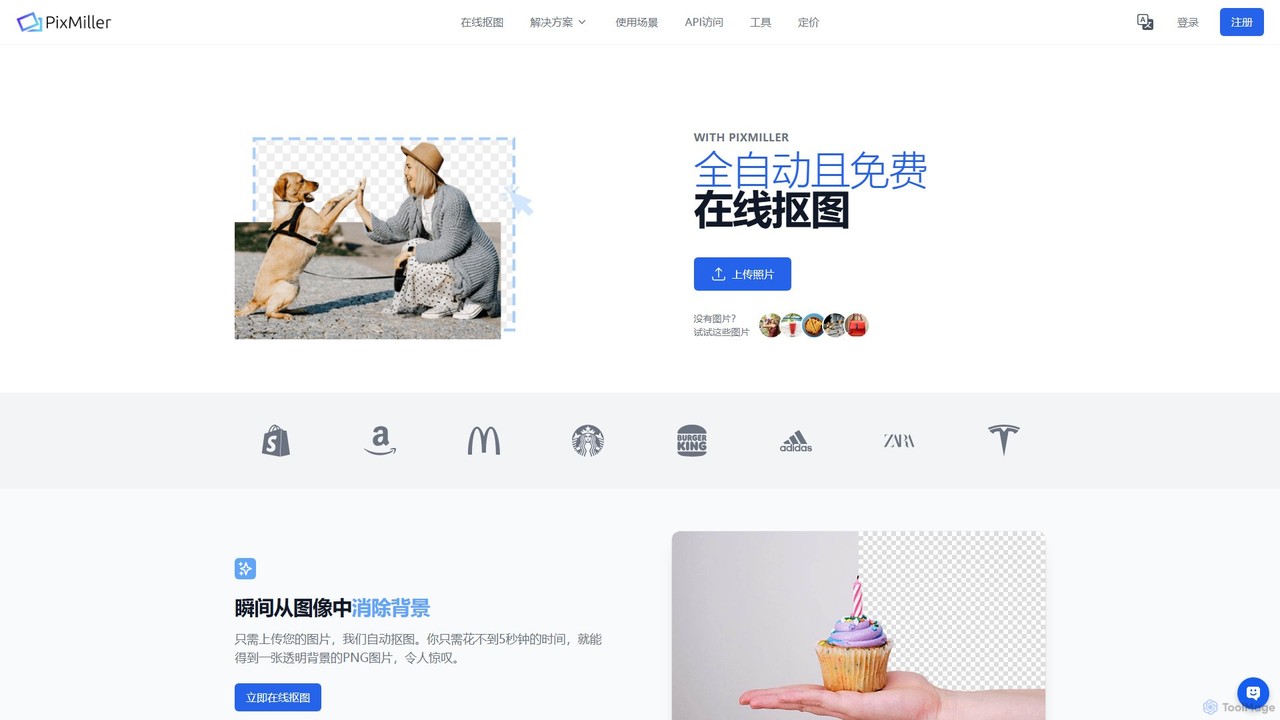
AI Product Image Optimization tools are a specialized category of software that uses artificial intelligence to automatically enhance, edit, and create high-quality product visuals for e-commerce. These tools leverage deep learning models to perform complex tasks like background removal, shadow generation, and smart resizing in seconds. Their primary value lies in dramatically reducing the time and cost associated with professional product photography, enabling businesses to create consistent, conversion-driven images at scale. This technology empowers sellers to present their products in the best possible light across all digital channels.
Core Features
- AI Background Removal & Replacement: Instantly removes backgrounds from product photos with high precision and replaces them with a solid color or a custom scene.
- Realistic Shadow & Reflection Generation: Automatically adds natural-looking shadows or reflections to make products appear more grounded and three-dimensional.
- Smart Cropping & Resizing: Intelligently crops and resizes images to fit the specific requirements of various e-commerce platforms and social media channels.
- Image Enhancement & Upscaling: Improves image quality by adjusting colors, brightness, and sharpness, and increases resolution without losing detail.
- AI Scene Generation: Places products into new, AI-generated lifestyle environments or virtual stages to create compelling marketing visuals.
Use Cases
These tools are essential for e-commerce store owners, marketplace sellers (on Amazon, eBay, Etsy), digital marketing agencies, and product photographers. They are used to prepare image batches for new product launches, refresh existing product listings to improve conversion rates, and create diverse visual content for social media campaigns and advertisements without requiring physical photoshoots.
How to Choose
When selecting a tool, consider its batch processing capabilities for handling large volumes of images efficiently. Evaluate the quality and realism of its AI-generated effects, such as backgrounds and shadows. For automated workflows, check for API access and integrations with e-commerce platforms like Shopify or WooCommerce. Finally, compare pricing models, whether it's a subscription or a pay-per-image credit system, to find what best suits your business needs.