E Commerce Best in category 1 results Product Listing Optimization AI Tool

Popular AI tools in the Product Listing Optimization field of E Commerce include Caspa AI, etc., helping you quickly improve efficiency.

Caspa AI

Caspa AI

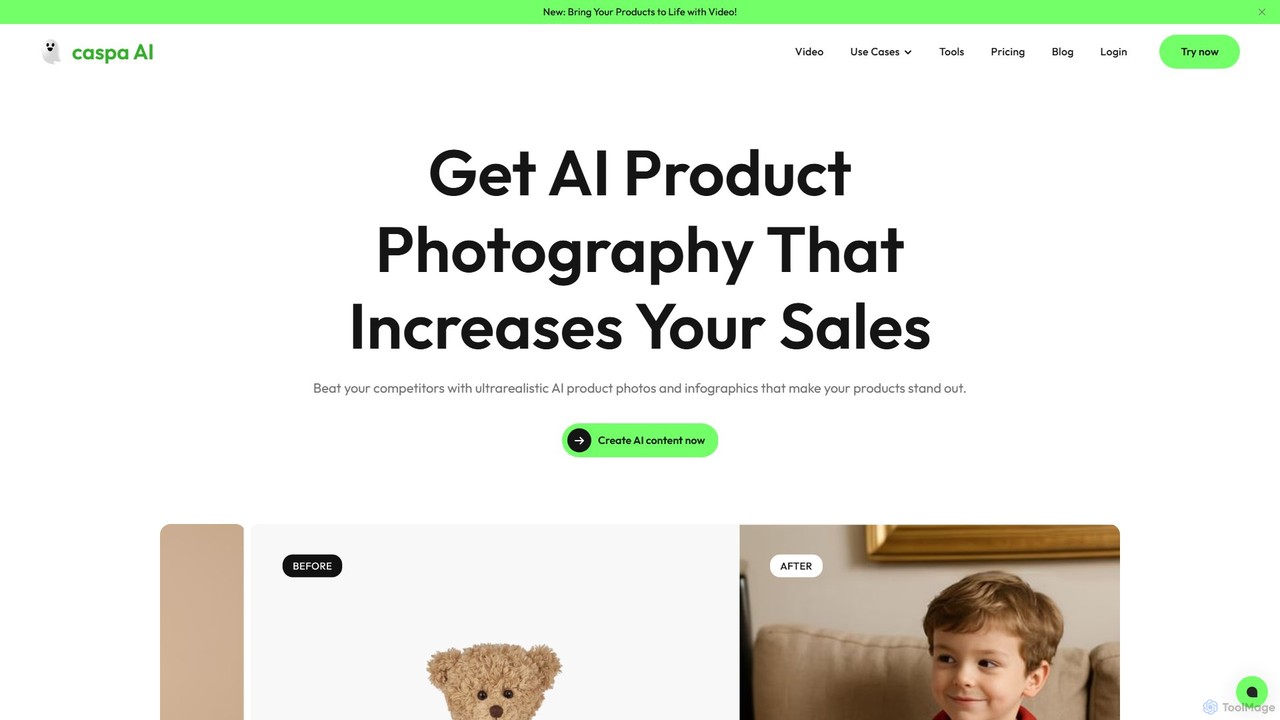
Caspa AI is an AI-powered platform for creating ultra-realistic product photography and videos. It helps e-commerce businesses generate …

14.9K

About Product Listing Optimization

Product Listing Optimization tools are AI-powered solutions designed to create and enhance product pages for e-commerce platforms. These tools leverage natural language generation (NLG) and data analysis to produce compelling titles, descriptions, and keywords that align with marketplace algorithms and customer search behavior. Their primary value lies in increasing product visibility, improving click-through rates, and boosting conversion rates. By automating the content creation process, they enable sellers to optimize large catalogs efficiently and stay competitive.

Core Features

  • AI-Powered Content Generation: Creates SEO-friendly titles, persuasive descriptions, and concise bullet points tailored to specific platforms like Amazon or Shopify.
  • Marketplace Keyword Research: Identifies high-volume, relevant keywords that actual shoppers use on e-commerce sites, distinct from general web search.
  • Competitor Listing Analysis: Analyzes top-performing competitor listings to extract successful keywords, phrases, and formatting strategies.
  • Listing Quality Scoring: Provides an objective score for a listing's optimization level and offers actionable suggestions for improvement.
  • Multi-Language Localization: Adapts and translates product listings for international marketplaces, considering local search terms and cultural nuances.

Use Cases

These tools are essential for e-commerce sellers, brand managers, and digital marketing agencies operating on platforms like Amazon, Shopify, eBay, and Walmart. They are used for launching new products with optimized content from day one, refreshing entire product catalogs to improve organic search ranking, and expanding into new international markets with localized listings.

How to Choose

When selecting a tool, consider its compatibility with your target e-commerce platforms. Evaluate the depth and accuracy of its keyword research data for your specific niche. Assess the quality and flexibility of the AI-generated text, including tone and style adjustments. Also, consider its ability to analyze competitors and provide clear, data-driven improvement recommendations.

Product Listing OptimizationUse Cases

1

Launch a New Product on Amazon

An Amazon FBA seller is preparing to launch a new product in a competitive category. Instead of manually writing content and guessing keywords, they use a product listing optimization tool. The AI generates five distinct, SEO-rich titles based on top competitor data. It also crafts a persuasive description and five benefit-driven bullet points. The integrated keyword tool identifies long-tail keywords that competitors are ranking for, which are then incorporated into the backend search terms. This results in a fully optimized listing created in under 30 minutes, maximizing visibility from day one.

2

Bulk Optimize a Shopify Store Catalog

A brand manager for a Shopify store with over 500 SKUs needs to refresh all product descriptions to improve SEO and brand consistency. Doing this manually would take weeks. Using an AI listing optimization tool, they can upload a CSV of their products. The tool rewrites each description in a consistent brand voice, naturally weaving in relevant keywords. The manager can review and approve the changes in batches. The entire project is completed in a few days, leading to a noticeable increase in organic traffic within a month.

3

A/B Testing Listing Content for Conversion

A data-driven marketer wants to determine which product title style drives more sales. They use an AI tool to generate three distinct title variations for a key product: one focused on features, one on benefits, and one using a question format. They run an A/B/C test on their e-commerce platform for two weeks. The AI-generated benefit-focused title results in a 15% higher click-through rate and a 10% increase in conversions compared to the original. This data-backed insight is then applied to other products in the catalog.

4

Expand to International Marketplaces

A US-based seller wants to expand their business to Amazon Germany and Japan. Simple machine translation often fails to capture local search nuances. They use an AI listing tool with localization features. The tool not only translates the text but also researches and suggests relevant local keywords (e.g., 'Handy' instead of 'mobile phone' in Germany). It adapts the tone and phrasing to be culturally appropriate for German and Japanese customers. This ensures the listings are discoverable and appealing to a new international audience, significantly reducing the barrier to entry.

5

Enhance Etsy Listings for Handmade Goods

An artisan selling handmade jewelry on Etsy struggles with writing compelling, story-driven descriptions that also perform well in search. They use an AI listing tool with a 'storytelling' tone setting. By providing a few key details about their inspiration and materials, the AI crafts a narrative that connects with buyers on an emotional level. It also seamlessly integrates Etsy-specific keywords and tags related to 'handmade', 'artisan jewelry', and specific occasions like 'anniversary gift'. This blend of creative storytelling and SEO helps their unique products stand out in a crowded marketplace.

6

Rewrite Generic Dropshipping Descriptions

A dropshipper sources products from a supplier who provides generic, uninspired descriptions used by hundreds of other sellers. To stand out and avoid duplicate content penalties, they use an AI listing optimizer. They input the supplier's basic specs and the AI rewrites them into unique, engaging, and benefit-oriented copy. The tool can generate multiple versions, allowing the dropshipper to use different descriptions on their Shopify store, eBay, and Facebook Marketplace listings. This creates a stronger brand identity and improves search engine rankings.

Product Listing OptimizationFrequently Asked Questions