Ximilar
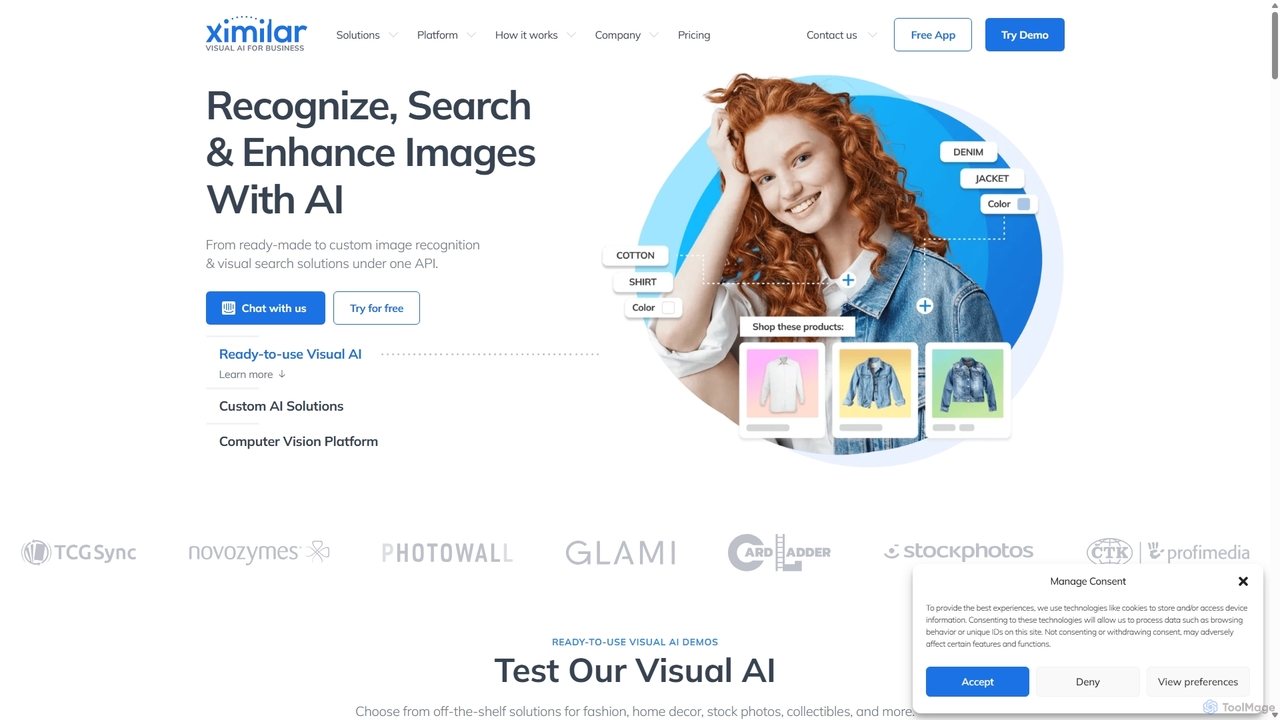
Ximilar is a comprehensive visual AI platform offering advanced image recognition, visual search, and object detection solutions through …
Ximilar is a comprehensive visual AI platform offering advanced image recognition, visual search, and object detection solutions through a single API. It empowers businesses to build and deploy custom computer vision models without coding, catering to industries like e-commerce, fashion, collectibles, and stock photography.
About Product Search
Product Search AI tools are specialized solutions designed to enhance the discovery and retrieval of products within digital catalogs and e-commerce platforms. Leveraging advanced natural language processing (NLP), computer vision, and machine learning, these tools accurately interpret user queries, including complex or vague requests, to deliver highly relevant product results. They significantly improve user experience by making product discovery intuitive and efficient, ultimately driving higher engagement and conversion rates in online retail and B2B marketplaces.
Core Features
- Semantic Search: Understands the intent and context behind user queries, not just keywords, to return more relevant results.
- Visual Search: Allows users to upload images to find visually similar products, bridging the gap between inspiration and purchase.
- Personalized Recommendations: Analyzes user behavior and preferences to offer tailored product suggestions, increasing cross-selling and up-selling opportunities.
- Intelligent Filtering & Faceting: Provides dynamic and intuitive filtering options based on product attributes, making navigation easier.
- Voice Search Optimization: Processes spoken queries to deliver accurate product results, catering to hands-free shopping experiences.
Applicable Scenarios
These tools are indispensable for online retailers, B2B suppliers, and internal product management teams. E-commerce platforms utilize them to provide superior customer search experiences, reducing bounce rates and increasing sales. B2B marketplaces benefit from efficient product discovery for complex industrial catalogs, while internal teams use them for quick inventory lookups and product data management.
How to Choose
When selecting an AI Product Search tool, consider its accuracy in understanding diverse queries, integration capabilities with existing e-commerce platforms (e.g., Shopify, Magento), scalability to handle growing product catalogs and user traffic, and customization options for specific business needs. Evaluate its support for multiple languages and visual search capabilities, alongside its pricing model and analytical reporting features.

Product SearchUse Cases
Enhanced E-commerce Customer Search
An online fashion retailer uses AI Product Search to allow customers to find items using natural language, like "a flowy blue summer dress with floral patterns." The AI understands the nuances, returning highly relevant dresses even if specific keywords aren't in the product description, significantly improving customer satisfaction and reducing search abandonment.
Visual Product Discovery for Home Decor
A home decor e-commerce site integrates visual search, enabling users to upload a photo of a living room they admire. The AI identifies furniture, lighting, and decorative items within the image, then suggests similar products available in their catalog, transforming visual inspiration into direct purchase opportunities.
Personalized Product Recommendations on Marketplaces
A large online marketplace employs AI Product Search to analyze individual user browsing history, past purchases, and search queries. It then generates highly personalized "For You" sections and "Customers also bought" suggestions, leading to increased average order value and repeat purchases by surfacing relevant products.
Efficient Internal Inventory Lookup for Retail Staff
Retail store associates use an AI-powered product search system on their tablets to quickly locate specific items, check stock levels, or find alternatives for customers. By simply speaking or typing a product description, they can access real-time inventory data across multiple stores or warehouses, enhancing in-store customer service.
Market Trend Analysis for Product Development
Product managers at a consumer electronics company leverage AI Product Search to analyze popular search queries and visual trends across various platforms. This helps them identify emerging product features, design preferences, and unmet customer needs, informing future product development and marketing strategies.
Voice-Activated Shopping for Smart Devices
An electronics retailer integrates AI Product Search with smart home devices, allowing customers to use voice commands like "Hey AI, find me a waterproof Bluetooth speaker under $50." The AI processes the spoken query, filters results by price and features, and presents suitable options, offering a convenient, hands-free shopping experience.