E Commerce Best in category 2 results Social Commerce AI Tool

Popular AI tools in the Social Commerce field of E Commerce include Instagram、uptik, etc., helping you quickly improve efficiency.

Instagram

Instagram

Instagram is a visual-first social media platform that leverages powerful AI to personalize user experience. Its core AI …

51.2K
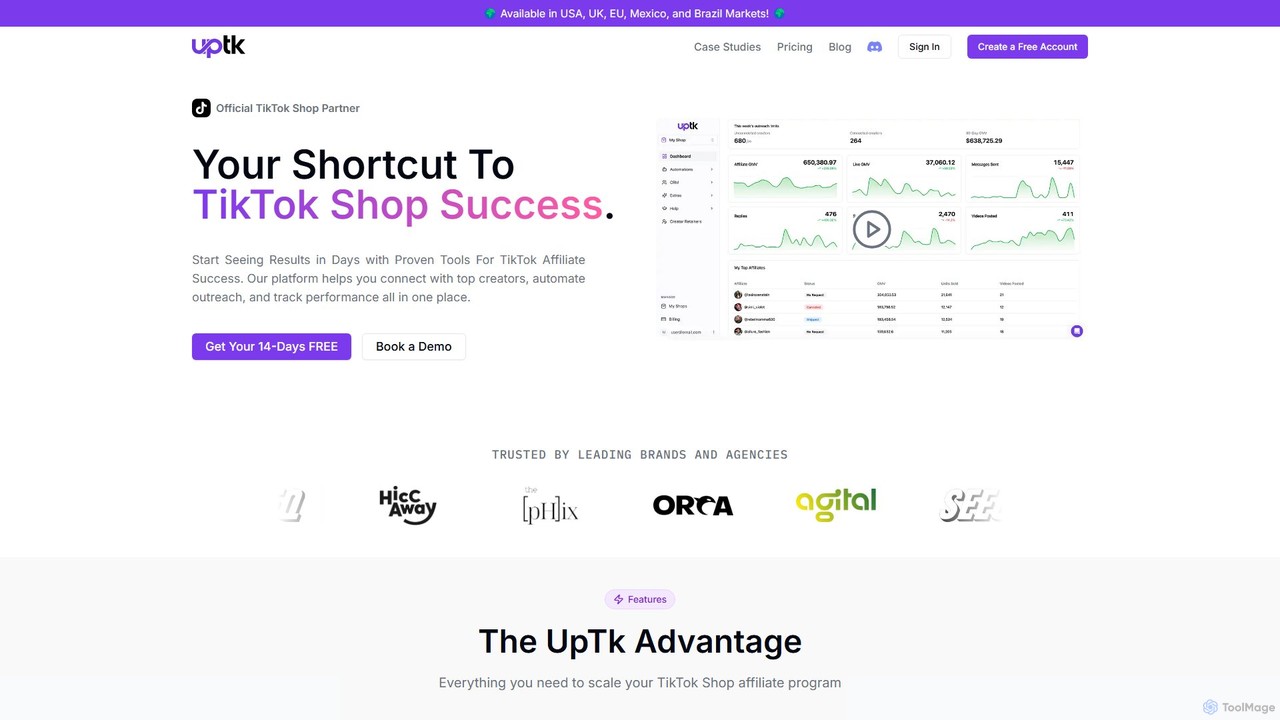
uptik

uptik

uptik is an official TikTok Shop Partner and affiliate outreach tool designed to help brands scale their sales. …

5.2K

About Social Commerce

Social Commerce tools are AI-powered platforms designed to facilitate the entire shopping experience directly within social media networks. These tools leverage AI for conversational sales, personalized product recommendations, and real-time analytics to convert social engagement into direct revenue. By integrating browsing, selection, and checkout processes into platforms like Instagram, TikTok, and Facebook, they significantly shorten the customer journey from discovery to purchase. This approach allows brands to meet customers where they are most active, creating a seamless and interactive buying process.

Core Features

  • Conversational AI Chatbots: Automate sales, answer product questions, and process orders directly within messaging apps like Messenger or Instagram DMs.
  • Shoppable Content Integration: Automatically tag products in posts, stories, and live streams, enabling one-click purchasing from content.
  • AI-Powered Personalization: Analyze user behavior on social media to deliver highly relevant product recommendations in feeds and ads.
  • Social Listening for Trends: Monitor conversations and engagement patterns to identify emerging product trends and customer sentiment.
  • Influencer Analytics: Identify and vet potential influencers by analyzing their audience demographics, engagement rates, and ROI potential.

Use Cases

Social Commerce tools are ideal for direct-to-consumer (DTC) brands, especially in fashion, beauty, and home goods, that rely on visual appeal and community engagement. They are also heavily used by content creators and influencers to monetize their audience directly. Marketing teams use these tools to launch interactive campaigns and track conversion rates from social media channels accurately.

How to Choose

When selecting a Social Commerce tool, first consider which social media platforms it supports and its integration capabilities with your existing e-commerce backend (e.g., Shopify, Magento). Evaluate the sophistication of its AI chatbot and personalization engine. Also, assess the depth of its analytics for tracking sales attribution and user behavior. Finally, consider the pricing model and whether it scales with your sales volume.

Social CommerceUse Cases

1

Automating Sales via Instagram DM Chatbots

A direct-to-consumer fashion brand uses an AI Social Commerce tool to manage its high volume of Instagram Direct Messages. When a user messages about a product seen in a post, the AI chatbot instantly responds. It provides size options, color variations, and stock availability. The user can add items to their cart and complete the purchase via a secure payment link sent directly in the chat, without ever leaving the Instagram app. This automates the sales process, reduces response times from hours to seconds, and captures sales that might otherwise be lost due to delays.

2

Enhancing Live Shopping Events on TikTok

A beauty influencer hosting a live shopping event on TikTok uses an AI tool to streamline the experience. The AI monitors the live chat for product mentions and automatically displays a pop-up with a direct purchase link for the mentioned item. It also filters spam and answers common questions like "What's the price?" or "Is it available in other shades?" in real-time. This allows the host to focus on demonstrating the products and engaging with the audience, while the AI handles the transactional aspects, leading to a higher conversion rate during the live event.

3

Personalized Product Recommendations in Facebook Feeds

An online home decor store uses a Social Commerce platform to create dynamic, personalized ads on Facebook. The AI analyzes a user's past interactions, such as liked pages, viewed products on the brand's website, and social engagement. Based on this data, it automatically generates a unique ad for each user, showcasing products they are most likely to be interested in. This goes beyond standard retargeting by creating a highly curated, shoppable feed that feels like organic content, increasing click-through rates and driving sales directly from the user's news feed.

4

Identifying Niche Influencers for a Product Launch

A startup launching a new line of sustainable pet products needs to find authentic micro-influencers. They use an AI Social Commerce platform to scan social media for creators who frequently post about eco-friendly lifestyles and pet care. The AI analyzes not just follower count, but also audience demographics, engagement quality (comments vs. likes), and past brand collaborations. The platform provides a scored list of potential partners, allowing the marketing team to efficiently reach out to influencers whose followers are highly aligned with their target market, maximizing the impact of their launch campaign budget.

5

Generating Shoppable Social Media Content at Scale

A furniture company needs to create daily content for Pinterest and Instagram. Using an AI Social Commerce tool, their marketing manager uploads a single product photo. The AI generates multiple lifestyle backgrounds, creates several caption variations focusing on different benefits (e.g., comfort, style, durability), and suggests relevant hashtags. It then automatically creates shoppable pins and posts, tagging the product in each variation. This allows a small team to produce a large volume of diverse, on-brand, and shoppable content, keeping their social feeds fresh and driving consistent traffic to product pages.

6

Using Social Listening to Spot Fast-Fashion Trends

A fast-fashion retailer uses an AI-powered social listening tool to stay ahead of trends. The AI continuously monitors TikTok, Instagram, and fashion blogs for emerging styles, keywords, and aesthetics (e.g., "cottagecore," "Y2K revival"). It analyzes sentiment and engagement volume to quantify a trend's popularity. When the AI flags a rapidly growing micro-trend, the design team is alerted. This data-driven approach allows the retailer to quickly design, produce, and market new items that meet emerging consumer demand, reducing the risk of overstocking unpopular styles and capitalizing on viral moments.

Social CommerceFrequently Asked Questions