E Commerce Best in category 2 results Visual Merchandising AI Tool

Popular AI tools in the Visual Merchandising field of E Commerce include final_tou、Creativio, etc., helping you quickly improve efficiency.

Creativio

Creativio

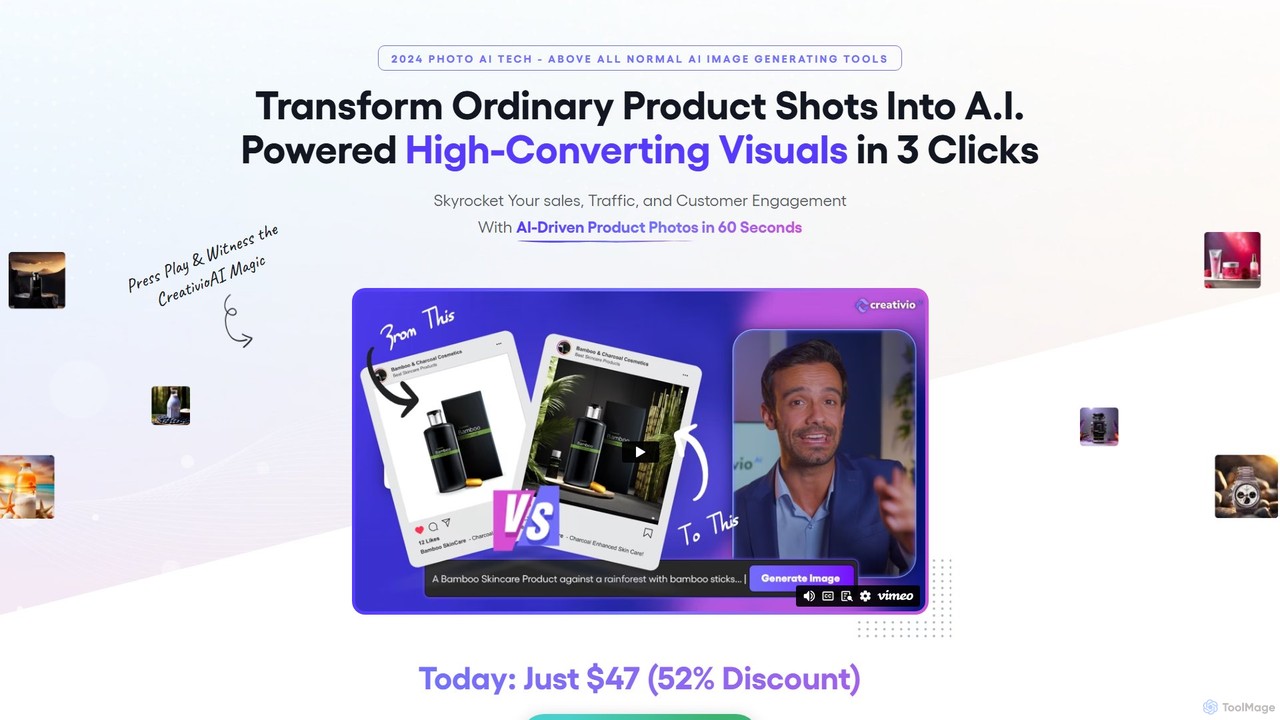
Creativio is an AI-powered tool that transforms simple product images into stunning, professional-grade photographs in seconds. Ideal for …

4.2K
Free
final_tou

final_tou

FinalTouch is an AI-powered tool for e-commerce and marketers to create stunning, studio-quality product photos in seconds. Simply …

5.7K

About Visual Merchandising

AI Visual Merchandising tools are a specialized category of e-commerce software that uses artificial intelligence to strategically arrange and display products on a digital storefront. These tools analyze real-time customer behavior, sales data, and product attributes to automatically optimize product sorting, layout, and recommendations. The primary goal is to create a visually compelling and personalized shopping experience that increases user engagement, conversion rates, and average order value. They move beyond static rules to create dynamic, data-driven online store displays.

Core Features

  • AI-Powered Product Sorting: Automatically reorders products on category and search pages based on performance metrics, trends, or individual user preferences.
  • Dynamic Thematic Collections: Generates curated product groups like "Trending Now" or "Complete the Look" based on AI analysis of styles and buying patterns.
  • Visual Similarity Recommendations: Suggests products that look similar to what a user is viewing, improving product discovery.
  • AI-Generated Lifestyle Imagery: Creates realistic scenes showcasing products in context without the need for physical photoshoots.
  • Layout Optimization: A/B tests and personalizes the grid layout, product density, and visual presentation of pages for maximum impact.

Use Cases

These tools are primarily used by e-commerce managers, merchandisers, and marketing teams in retail sectors like fashion, home goods, and beauty. They are applied to automate the optimization of high-traffic category pages, personalize the shopping journey for different user segments, and quickly launch visually cohesive marketing campaigns. For example, a fashion retailer can use it to ensure new arrivals are prominently displayed while also tailoring the product order to each visitor's style affinity.

How to Choose

When selecting an AI Visual Merchandising tool, consider its integration capabilities with your existing e-commerce platform (e.g., Shopify, Magento, BigCommerce). Evaluate the sophistication of its AI models—does it support personalization, trend analysis, or just basic performance sorting? Assess the level of control and customization offered, allowing your team to set rules or override AI suggestions when needed. Finally, review the analytics and reporting features to measure the direct impact on key metrics like conversion rate and revenue per visitor.

Visual MerchandisingUse Cases

1

Automate Category Page Sorting for Fashion Retail

An e-commerce manager for a fast-fashion brand is tasked with maximizing conversions on high-traffic category pages like 'Dresses' or 'New Arrivals'. Instead of manually sorting hundreds of products based on intuition or weekly sales reports, they use an AI Visual Merchandising tool. The AI analyzes real-time data such as click-through rates, add-to-cart actions, and conversion rates for each product. It then automatically re-sorts the product grid every few hours to feature top-performing and trending items at the top, ensuring the most relevant products are always visible. This dynamic approach can lead to a measurable lift in category page conversion rates and reduces manual workload significantly.

2

Create Personalized Shopping Experiences

A home goods retailer wants to personalize the shopping journey for each visitor. They implement an AI Visual Merchandising tool that tracks a user's browsing history, style preferences (e.g., modern, rustic, minimalist), and past purchases. When a user who has shown interest in minimalist decor visits the 'Living Room Furniture' page, the AI automatically prioritizes products with clean lines, neutral colors, and simple designs. For another user who prefers a rustic style, the same page will display wood-finished furniture and cozy textiles more prominently. This level of 1:1 personalization creates a more relevant and engaging experience, increasing the likelihood of a purchase.

3

Generate Dynamic 'Shop the Look' Collections

A marketing team at a furniture store wants to inspire customers by showing how different products can be styled together. Manually creating these 'Shop the Look' bundles is time-consuming. They use an AI Visual Merchandising tool with visual analysis capabilities. The team uploads a single lifestyle image of a fully decorated room. The AI identifies each product in the image (sofa, coffee table, lamp, rug) and automatically creates a dynamic collection page featuring these items. It can also suggest visually similar alternatives for each item, allowing customers to customize the look. This automates content creation and provides a powerful cross-selling opportunity.

4

Optimize Product Placement for Promotions

During a site-wide sale, a merchandiser needs to ensure that discounted items are highly visible without disrupting the overall shopping experience. Using an AI Visual Merchandising tool, they can create a rule to 'boost' the ranking of all products in the 'Sale' category across the entire site. The AI then intelligently integrates these sale items into relevant category and search result pages, placing them higher than they would normally rank but still balancing them with full-priced bestsellers to maximize overall revenue. This ensures promotional visibility while maintaining a curated and relevant product discovery journey for the shopper.

5

Generate Contextual Lifestyle Imagery at Scale

A furniture company has thousands of products but lacks lifestyle photos for most of them, which are expensive to produce. They use an AI Visual Merchandising tool that can generate imagery. The merchandiser uploads a standard product photo on a white background (e.g., a single armchair). They then select a virtual scene, such as 'Modern Living Room' or 'Cozy Reading Nook'. The AI seamlessly places the armchair into the selected scene, adjusting lighting, shadows, and perspective to create a photorealistic lifestyle image. This process can be repeated for hundreds of scenes and products in minutes, providing a rich, contextual visual library that helps customers visualize items in their own homes.

6

A/B Test Visual Layouts to Maximize Engagement

An online beauty retailer is unsure whether a 2-column or 3-column grid layout performs better for their 'Skincare' category. They use their AI Visual Merchandising tool to run an automated A/B test. The tool serves the 2-column layout to 50% of visitors and the 3-column layout to the other 50%. The AI tracks key engagement metrics for both versions, such as scroll depth, clicks per session, and ultimately, conversion rate. After a set period, the tool provides a clear report showing which layout was the winner. The retailer can then confidently implement the higher-performing layout across the site, making a data-driven decision to improve user experience and sales.

Visual MerchandisingFrequently Asked Questions