
E Commerce Best in category 1 results Website Enhancement AI Tool

Popular AI tools in the Website Enhancement field of E Commerce include StorifyMe, etc., helping you quickly improve efficiency.

StorifyMe

StorifyMe

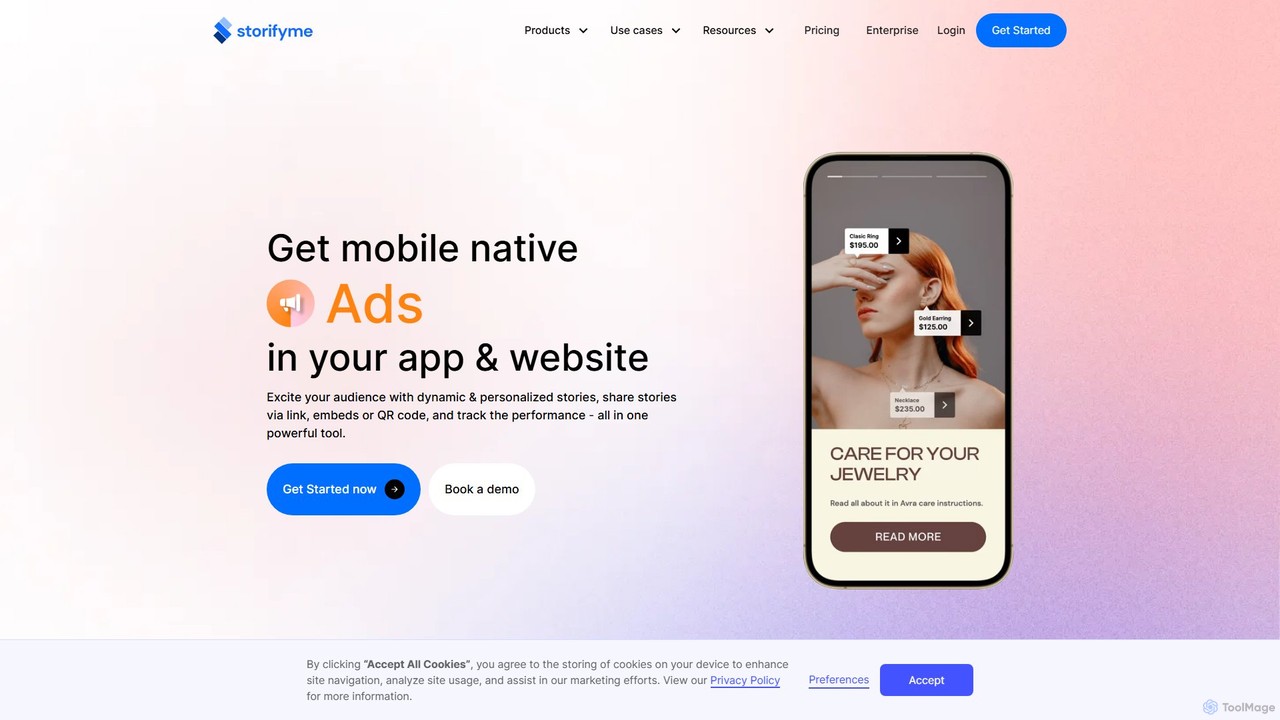
StorifyMe is an all-in-one platform for creating and embedding mobile-native, interactive content like stories, shorts, and ads directly …

13.3K

About Website Enhancement

Website Enhancement tools are AI-powered applications designed to integrate with existing websites to improve user experience, engagement, and conversion rates. These tools analyze user behavior in real-time to deliver personalized content, automated support, and optimized navigation. By adding a layer of intelligence, they transform a static website into a dynamic, responsive platform that adapts to each visitor's needs. This is particularly crucial in e-commerce, where enhancing the customer journey directly impacts sales and loyalty.

Core Features

  • AI Chatbots & Live Chat: Provide 24/7 automated customer support, answer product queries, and capture leads.
  • Personalization Engines: Deliver dynamic product recommendations, content, and offers based on user browsing history and behavior.
  • Conversion Rate Optimization (CRO): Use AI to A/B test elements, deploy intelligent pop-ups, and create urgency with dynamic offers.
  • Smart On-Site Search: Implement natural language search that understands user intent, corrects typos, and provides relevant results instantly.
  • Behavioral Analytics: Generate AI-driven insights from heatmaps, session recordings, and user flow analysis to identify friction points.

Use Cases

These tools are widely used by e-commerce stores to increase average order value and reduce cart abandonment. Marketing teams for SaaS and B2B companies use them to improve lead generation and qualify prospects. Content publishers and media sites also leverage them to increase reader engagement and subscription rates by personalizing content feeds.

How to Choose

When selecting a Website Enhancement tool, first consider its integration capabilities with your existing platform (e.g., Shopify, WordPress, Magento). Evaluate the specific features you need—whether it's a chatbot, a recommendation engine, or analytics. Assess the tool's scalability to handle your traffic volume and the quality of its analytics dashboard for providing actionable insights. Finally, compare pricing models to ensure they align with your budget and expected return on investment.

Website EnhancementUse Cases

1

Automate Customer Support with an AI Chatbot

An e-commerce store manager for a fashion brand is overwhelmed with repetitive customer queries about order status, return policies, and product sizing. By implementing an AI chatbot on their website, they can provide instant, 24/7 answers to these common questions. The chatbot integrates with their order management system to give real-time shipping updates. This automation reduces the support team's workload by over 60%, allowing them to focus on complex customer issues and improving overall customer satisfaction.

2

Increase Average Order Value with Personalization

An online bookstore wants to increase its average order value. They integrate an AI personalization engine that analyzes a user's browsing history, past purchases, and items in their cart. As the user shops, the engine displays a "Frequently Bought Together" section on product pages and a "You Might Also Like" carousel at checkout. This strategy exposes customers to relevant books they might not have found otherwise, leading to a 15% increase in the average number of items per order.

3

Reduce Cart Abandonment with Exit-Intent Pop-ups

A marketer at an online electronics store notices a high cart abandonment rate. They deploy an AI-powered exit-intent tool that detects when a user is about to leave the checkout page without completing a purchase. Just as the cursor moves towards the exit, a pop-up appears offering a 10% discount or free shipping to incentivize completion. The AI optimizes which offer to show based on the cart value and user segment. This targeted intervention successfully recovers 18% of otherwise lost sales.

4

Improve Product Discovery with Smart Search

A large online hardware store has thousands of products, making it difficult for users to find specific items. They replace their basic search bar with an AI-powered smart search tool. This new search understands natural language queries like "waterproof glue for plastic," corrects typos automatically, and shows visual product previews in the search results. As a result, search-led conversions increase by 25% because customers can find exactly what they need quickly and without frustration.

5

Optimize Landing Pages with AI-driven Analytics

A SaaS company's marketing team wants to improve the conversion rate of their main landing page. They use an AI analytics tool to generate heatmaps and analyze session recordings. The AI identifies that the primary call-to-action (CTA) button is below the average fold line and receives few clicks. Based on this insight, they move the CTA to a more prominent position. After implementing the change, A/B testing confirms a 30% uplift in sign-ups from the landing page, directly improving their lead generation pipeline.

6

Create Interactive Quizzes for Lead Generation

A digital marketing agency wants to capture more qualified leads from their website. They use a website enhancement tool to build an interactive quiz titled "What's Your Digital Marketing Score?" Visitors answer a series of questions about their current marketing efforts, and in return for their email address, they receive a personalized score and a report with actionable tips. This engaging approach replaces a static contact form, increasing their lead conversion rate by 40% and providing the sales team with valuable context about each prospect's needs.

Website EnhancementFrequently Asked Questions