
Education Best in category 1 results Cultural Learning AI Tool

Popular AI tools in the Cultural Learning field of Education include Votura, etc., helping you quickly improve efficiency.

Votura

Votura

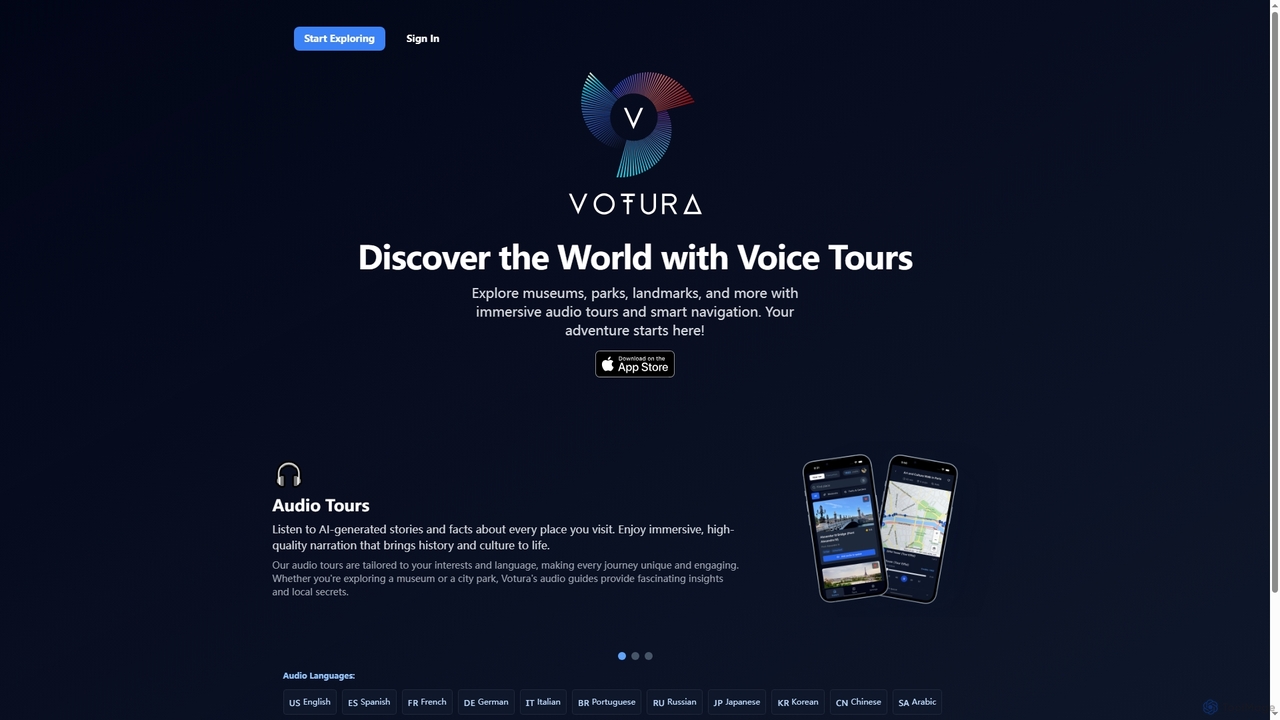
Votura offers AI-generated audio tours that transform your exploration of locations into an immersive and personalized experience. Discover …

4.0K

About Cultural Learning

Cultural Learning tools are a specialized category of AI applications designed to provide deep, interactive insights into different cultures. They utilize technologies like natural language processing (NLP), machine learning, and interactive simulations to go beyond basic language translation, offering context-rich educational experiences. These tools are invaluable for anyone looking to understand cultural nuances, social etiquette, and historical backgrounds, effectively bridging communication gaps in an increasingly globalized world. They transform abstract cultural concepts into tangible, explorable knowledge through personalized learning paths and realistic scenarios.

Core Features

  • Interactive Scenarios & Simulations: Practice navigating real-life social and business situations in a risk-free virtual environment.
  • Etiquette & Nuance Analysis: Receive real-time feedback on communication styles, gestures, and social norms specific to a culture.
  • Personalized Learning Paths: AI adapts content based on the user's goals, whether for travel, business, or academic study.
  • Contextual Language Learning: Learn vocabulary and phrases within their appropriate cultural context, not just as direct translations.
  • Historical & Artistic Insights: Access curated information and AI-guided tours of cultural heritage sites, museums, and historical events.

Use Cases

These tools are widely used by international business professionals preparing for negotiations or relocation, students participating in study abroad programs, and tourists seeking a more immersive travel experience. They are also valuable for global teams aiming to improve cross-cultural collaboration and for language learners who want to understand the culture behind the language they are studying.

How to Choose

When selecting a Cultural Learning tool, consider the breadth and depth of the cultures covered. Evaluate the level of interactivity and the realism of the simulations. Check for language support and the accuracy of the information, which should be verified by cultural experts. Finally, assess the platform's accessibility—whether it's a mobile app for on-the-go learning or a comprehensive web platform for in-depth study.

Cultural LearningUse Cases

1

Preparing for an International Business Trip

A project manager is preparing for a critical business trip to South Korea to finalize a partnership. Using an AI Cultural Learning tool, she engages in simulated negotiation scenarios with an AI counterpart trained in Korean business etiquette. The tool provides real-time feedback on her communication style, use of honorifics, and non-verbal cues. It also offers modules on gift-giving protocols and dining etiquette. As a result, she feels significantly more confident, avoids potential cultural missteps, and successfully builds rapport with her Korean partners, leading to a smoother negotiation process.

2

Enhancing Study Abroad Programs

A university incorporates an AI Cultural Learning platform into its pre-departure orientation for students studying abroad in Spain. The platform offers interactive modules on Spanish daily life, social norms, regional differences, and academic culture. Students can practice conversational Spanish in realistic scenarios like ordering tapas or navigating public transport. This proactive training helps reduce culture shock, enables students to integrate more quickly into the local community, and enriches their overall academic and personal experience abroad by providing them with essential cultural context before they even arrive.

3

Virtual Museum Tours and Art History

An art history enthusiast uses an AI-powered cultural learning app to take a virtual tour of the Uffizi Gallery in Florence. As they navigate the virtual rooms, the AI acts as a personal docent, providing deep context on Renaissance art. It explains the historical significance of artworks, analyzes artistic techniques, and shares stories about the artists' lives and the cultural environment of the time. The user can ask follow-up questions like "What was the influence of the Medici family on this piece?" and receive detailed, conversational answers, creating a highly personalized and educational museum experience from home.

4

Training for Global Customer Support Teams

An international tech company uses an AI cultural training tool for its customer support agents who interact with a global clientele. The tool simulates customer interactions from various cultural backgrounds, teaching agents to recognize and adapt to different communication styles, levels of directness, and expectations for service. For example, it might train an agent on how to politely handle a complaint from a Japanese customer versus an American customer. This leads to higher customer satisfaction scores, reduced misunderstandings, and a more empathetic and effective global support team.

5

Immersive Language Learning for Travelers

A tourist planning a trip to Italy wants to learn more than just basic Italian phrases. They use a cultural learning app that places language in context. Through interactive stories and dialogues, they learn how to order coffee like a local (an espresso at the bar), understand regional greetings, and navigate the nuances of mealtime etiquette. The AI provides pronunciation feedback and explains the cultural reasoning behind certain phrases. This approach transforms language learning from a simple memorization task into a deeper cultural immersion, making their travel experience more authentic and enjoyable.

6

Onboarding Expatriates and Their Families

An HR department provides new expatriate employees and their families with access to an AI cultural learning platform before they relocate to Japan. The platform covers essential topics for daily life, such as navigating the healthcare system, school enrollment procedures, understanding recycling rules, and grocery shopping etiquette. It includes interactive maps and simulations of common tasks. This resource significantly eases the transition process, reduces anxiety for the entire family, and helps the employee become productive more quickly by addressing practical, everyday cultural challenges in advance.

Cultural LearningFrequently Asked Questions