ToolMage
Sign in

Best 1 E Learning Content AI tools for Education

Popular E Learning Content AI tools in Education include BindWeave AI, helping you work more efficiently.

BindWeave AI
Paid

BindWeave AI

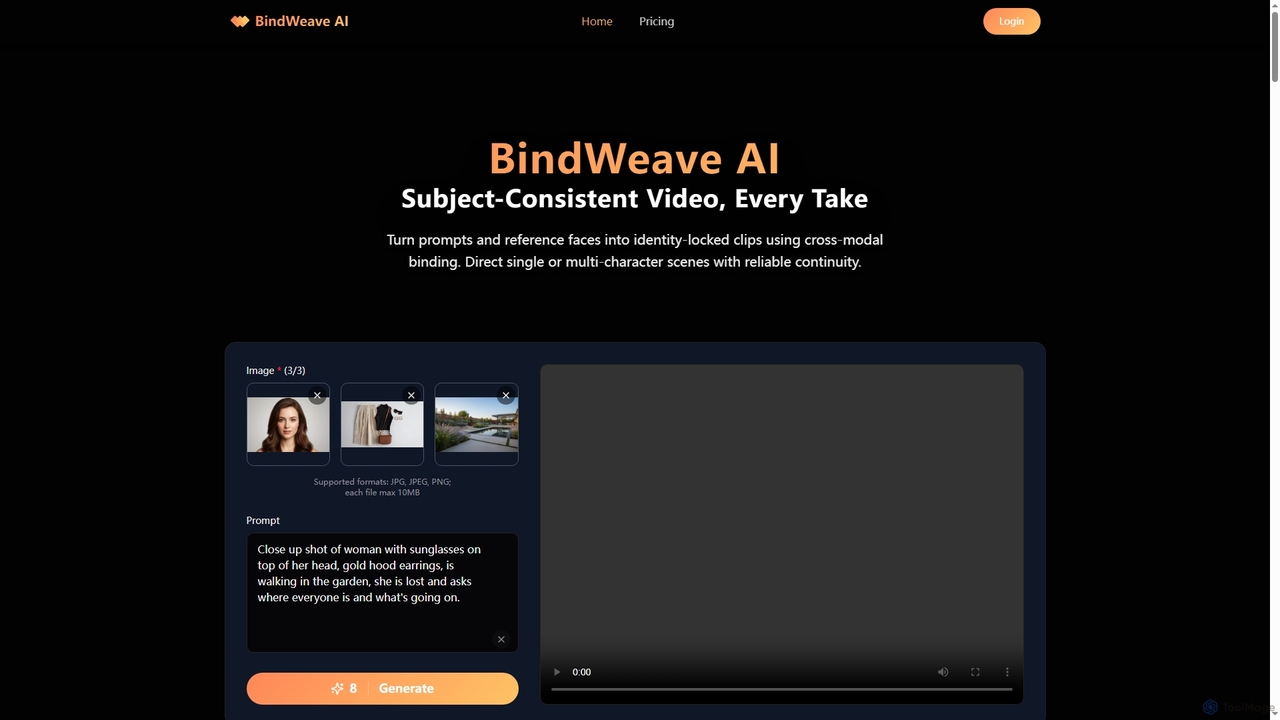
BindWeave AI is an advanced AI video generation platform that creates subject-consistent videos by binding text prompts to reference images. It ensures identity lock for single or multi-character scenes, maintaining visual fidelity and temporal coherence across various takes and interactions.

3D
Visits 7.2KFavorites 100Likes 99

About E Learning Content

E Learning Content tools are AI-powered solutions designed to automate and enhance the creation, personalization, and delivery of educational materials. Leveraging advanced natural language processing, generative AI, and adaptive learning algorithms, these tools transform raw information into engaging courses, interactive quizzes, and tailored learning paths. They empower educators, corporate trainers, and content developers to produce high-quality, effective e-learning experiences more efficiently, making knowledge acquisition more accessible and personalized for learners worldwide.

Core Features

  • Automated Content Generation: Instantly create course outlines, lesson plans, summaries, and explanations from source materials.
  • Interactive Quiz & Assessment Creation: Generate diverse question types, feedback, and adaptive assessments to test comprehension.
  • Personalized Learning Paths: Dynamically adjust content difficulty and sequence based on individual learner performance and preferences.
  • Multimodal Content Conversion: Transform text into audio lectures, video scripts, or interactive simulations for varied learning styles.
  • Performance Analytics & Feedback: Track learner progress, identify knowledge gaps, and provide targeted, AI-driven feedback.

Applicable Scenarios

These tools are invaluable for academic institutions developing online courses, corporate L&D departments creating training modules, and individual educators building digital learning products. They streamline the process of converting traditional curricula into engaging digital formats, rapidly updating course materials, and scaling personalized instruction across large student bodies or employee groups.

How to Choose

When selecting E Learning Content tools, evaluate their content generation capabilities (text, multimedia, interactivity), personalization features (adaptive learning, user profiles), integration with existing LMS platforms, and the accuracy of their assessment generation. Consider the range of supported content formats, ease of use for content creators, and the scalability of the solution to meet your organizational needs.

E Learning Content use cases

1

Rapid Course Module Creation

A university professor needs to quickly develop new online modules for a specialized subject. Using an AI E Learning Content tool, they input research papers and lecture notes, and the AI generates structured lesson plans, key summaries, and initial drafts of quiz questions, significantly reducing the manual content creation time from weeks to days.

2

Personalized Corporate Training

A large corporation requires tailored compliance training for employees with varying prior knowledge. The L&D team uses an AI tool to create adaptive training modules that adjust content depth and examples based on each employee's pre-assessment results, ensuring efficient learning and higher retention rates across the workforce.

3

Interactive Language Learning

An independent language tutor wants to offer engaging, self-paced courses. They leverage E Learning Content AI to generate interactive dialogues, vocabulary quizzes with contextual examples, and pronunciation exercises, providing learners with dynamic practice opportunities beyond static textbooks.

4

Automated Assessment Generation

A K-12 educator needs to frequently create diverse assessments for different student groups. An AI tool helps them generate multiple versions of quizzes, fill-in-the-blank exercises, and short-answer questions based on specific learning objectives, ensuring fair and varied evaluations without repetitive manual effort.

5

Converting Textbooks to Multimedia

A publisher aims to transform traditional textbooks into engaging digital multimedia content. They use E Learning Content AI to convert text chapters into video scripts, audio narrations, and interactive infographics, making complex topics more accessible and appealing to modern learners.

6

Skill Gap Identification & Remediation

An online learning platform wants to help users identify and close specific skill gaps. AI E Learning Content tools analyze learner performance data, pinpoint areas of weakness, and automatically generate targeted remedial content or recommend specific modules, creating a highly efficient and personalized upskilling pathway.

E Learning Content FAQ

What are AI E Learning Content tools?

AI E Learning Content tools are software solutions that use artificial intelligence to assist in the creation, customization, and delivery of educational materials. They leverage technologies like natural language processing and generative AI to automate tasks such as generating course content, creating quizzes, personalizing learning paths, and converting content into various formats, making e-learning development more efficient and effective.

How do AI E Learning Content tools differ from traditional LMS platforms?

Traditional Learning Management Systems (LMS) primarily focus on the administration, documentation, tracking, reporting, and delivery of educational courses. AI E Learning Content tools, however, specifically focus on the creation and enhancement of the learning materials themselves. While an LMS hosts and manages courses, AI E Learning Content tools actively help build the interactive lessons, quizzes, and personalized content that an LMS might then deliver.

Who can benefit most from using AI E Learning Content tools?

Educators, corporate trainers, instructional designers, content creators, and academic institutions can benefit significantly. These tools are ideal for anyone needing to rapidly develop engaging and personalized learning experiences, scale content production, adapt materials for diverse audiences, or enhance learner engagement through interactive and adaptive content without extensive manual effort.

What are the key features to look for when choosing an AI E Learning Content tool?

When selecting an AI E Learning Content tool, prioritize features such as automated content generation (for text, quizzes, summaries), personalization capabilities (adaptive learning paths, tailored feedback), multimodal content conversion (text-to-audio/video), and integration options with your existing LMS or authoring tools. Also, consider the accuracy of the AI-generated content and the ease of editing and refining it.

Can AI E Learning Content tools personalize learning experiences?

Yes, personalization is one of the core strengths of many AI E Learning Content tools. They can analyze individual learner data, such as performance on assessments, learning pace, and preferred styles, to dynamically adjust the content, difficulty, and sequence of modules. This ensures that each learner receives a tailored educational experience that maximizes engagement and knowledge retention.