ToolMage
Sign in

Best 1 Online Learning Platform for Education

Popular Online Learning Platform in Education include Newtum, helping you work more efficiently.

Newtum
Paid

Newtum

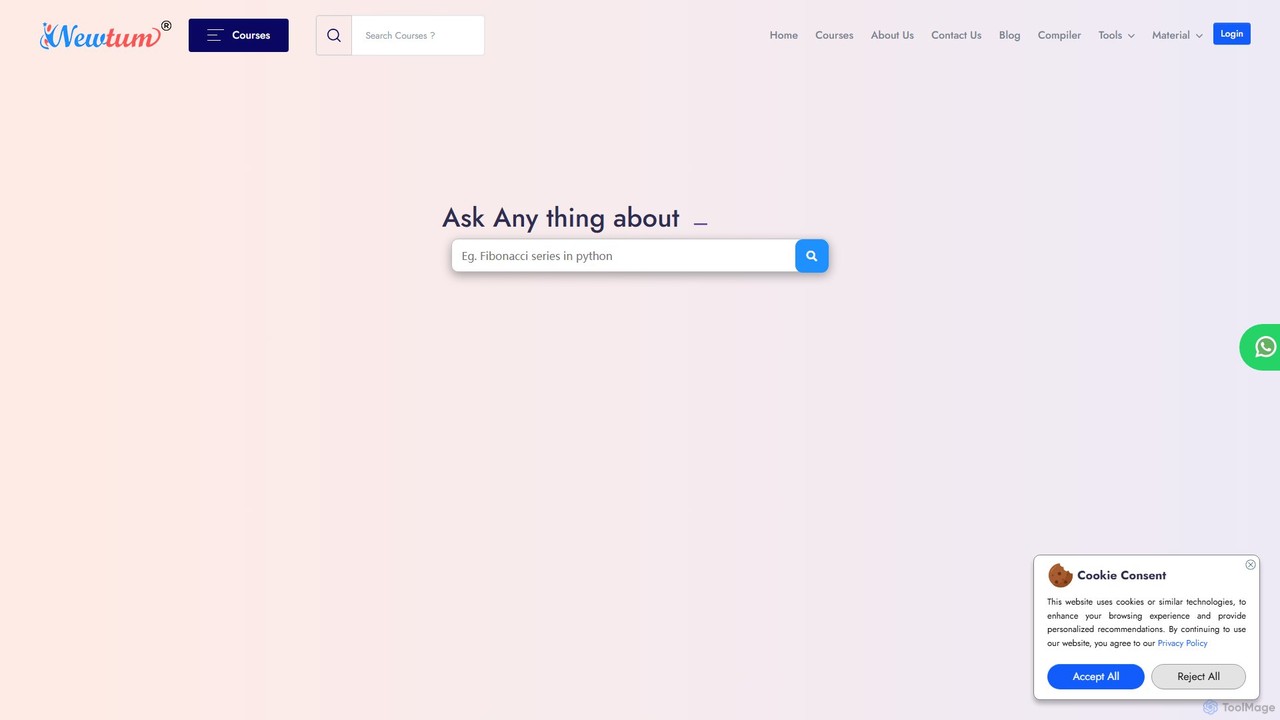
Newtum is an online learning academy offering certified courses in high-demand technologies like AI, Blockchain, Machine Learning, and programming. Designed for all skill levels, from kids to professionals, it provides expert-led video tutorials, practical examples, and verifiable certifications to help you advance your tech career.

Learning
Visits 54KFavorites 158Likes 145

About Online Learning Platform

Online Learning Platforms are digital ecosystems designed to deliver educational content and facilitate learning experiences over the internet. These platforms leverage advanced technologies, including AI, to offer a wide array of courses, from academic subjects to professional skills, accessible anytime and anywhere. They provide structured learning paths, interactive tools, and often community features, making education more flexible and personalized for diverse learners.

Core Features

  • Interactive Course Modules: Engaging lessons with multimedia content, quizzes, and assignments.
  • Personalized Learning Paths: AI-driven recommendations and adaptive content based on individual progress and goals.
  • Progress Tracking & Analytics: Tools to monitor learner performance, completion rates, and skill acquisition.
  • Certification & Accreditation: Issuance of verifiable certificates or badges upon course completion, often recognized by industry.
  • Community & Collaboration Tools: Forums, discussion boards, and group projects to foster peer interaction.

Applicable Scenarios

Online learning platforms are indispensable for individuals seeking to upskill or reskill, offering flexible schedules for professionals to advance their careers. They are also widely adopted by corporations for employee training and development, ensuring a skilled workforce. Academic institutions utilize these platforms to extend their reach, offering blended or fully online degree programs to a global student body.

How to Choose

When selecting an online learning platform, consider the breadth and quality of its course catalog, ensuring it aligns with your learning objectives. Evaluate the learning format, such as self-paced, instructor-led, or blended, to match your preferred style. Assess the platform's user experience, interactive features, and support resources. Finally, compare pricing models, including subscription, per-course fees, and potential for financial aid, alongside the recognition and accreditation of any offered certifications.

Online Learning Platform use cases

1

Personalized Skill Development for Career Advancement

Professionals aiming to acquire new skills or deepen existing expertise can utilize online learning platforms for tailored development. An individual seeking to transition into data science, for instance, can enroll in a specialized program, benefiting from AI-driven course recommendations that adapt to their learning pace and prior knowledge. This allows for efficient skill acquisition, directly impacting career progression and marketability without disrupting current employment.

2

Implementing Scalable Corporate Training Programs

Companies can deploy online learning platforms to standardize and scale their employee training initiatives across different departments and global locations. For example, a multinational corporation can onboard new hires with consistent training modules on company policies, product knowledge, or compliance regulations. The platform's tracking features allow HR to monitor progress and ensure all employees meet required learning objectives efficiently.

3

Delivering Blended or Fully Online Academic Courses

Universities and colleges leverage online learning platforms to offer flexible academic programs, from individual courses to full degree pathways. An institution can host lectures, assignments, and virtual labs, enabling students to access high-quality education remotely. This expands access to education for non-traditional students, facilitates international collaborations, and provides tools for instructors to manage coursework and student interactions effectively.

4

Mastering a New Language with Adaptive Learning

Individuals aspiring to learn a new language can benefit immensely from online learning platforms that incorporate AI-powered adaptive learning. These platforms can identify a learner's strengths and weaknesses, then customize exercises, vocabulary, and grammar lessons to target specific areas needing improvement. This personalized approach accelerates language acquisition, making the learning process more engaging and effective than traditional methods.

5

Preparing for Professional Certification Exams

Professionals preparing for industry-specific certification exams (e.g., PMP, AWS, CFA) can use online learning platforms to access comprehensive study materials, practice tests, and simulated exam environments. These platforms often provide detailed performance analytics, highlighting areas where the learner needs more focus. This structured preparation significantly increases the chances of passing challenging exams and achieving professional recognition.

6

Exploring Creative Hobbies and Personal Interests

Beyond professional development, online learning platforms serve as a rich resource for exploring creative hobbies and personal interests. An individual interested in photography, digital art, or cooking can find courses taught by experts, complete with practical exercises and peer feedback. This allows for flexible, self-paced learning in areas of personal passion, fostering creativity and lifelong learning without formal commitments.

Online Learning Platform FAQ

What are Online Learning Platforms?

Online Learning Platforms are digital environments that provide educational content and tools for remote learning. They typically feature structured courses, interactive multimedia, assessment tools, and progress tracking. These platforms enable individuals and organizations to access and deliver education flexibly, supporting everything from academic degrees to professional skill development and personal enrichment.

How do AI-powered Online Learning Platforms enhance the learning experience?

AI-powered Online Learning Platforms significantly enhance learning by offering personalized experiences. AI algorithms analyze learner data to recommend tailored content, adapt difficulty levels, and provide instant feedback, much like a personal tutor. This adaptive approach helps identify knowledge gaps, optimize study schedules, and keep learners engaged, leading to more efficient and effective skill acquisition compared to static content.

What should I consider when choosing an Online Learning Platform?

When choosing an Online Learning Platform, consider the relevance and quality of its course offerings to your goals. Evaluate the instructors' expertise, the platform's user-friendliness, and the availability of interactive features like quizzes, forums, and practical projects. Also, assess the pricing model, the recognition of certifications, and the level of technical support provided to ensure a valuable and smooth learning journey.

Are certifications from Online Learning Platforms recognized by employers?

The recognition of certifications from Online Learning Platforms varies. Certifications from reputable platforms, especially those partnered with accredited universities or industry leaders, are often highly valued by employers as evidence of specific skills and commitment to continuous learning. However, the impact depends on the platform's reputation, the course content's rigor, and the industry's specific requirements. Always verify the accreditation and industry acceptance.

How do Online Learning Platforms differ from traditional classroom education?

Online Learning Platforms offer greater flexibility in terms of time and location, allowing learners to study at their own pace and schedule, unlike the fixed structure of traditional classrooms. While traditional education often provides direct, in-person interaction, online platforms leverage digital tools for collaboration and communication, sometimes enhanced by AI for personalized feedback. Online platforms also typically offer a broader, more diverse range of specialized courses accessible globally.