PrayerPath
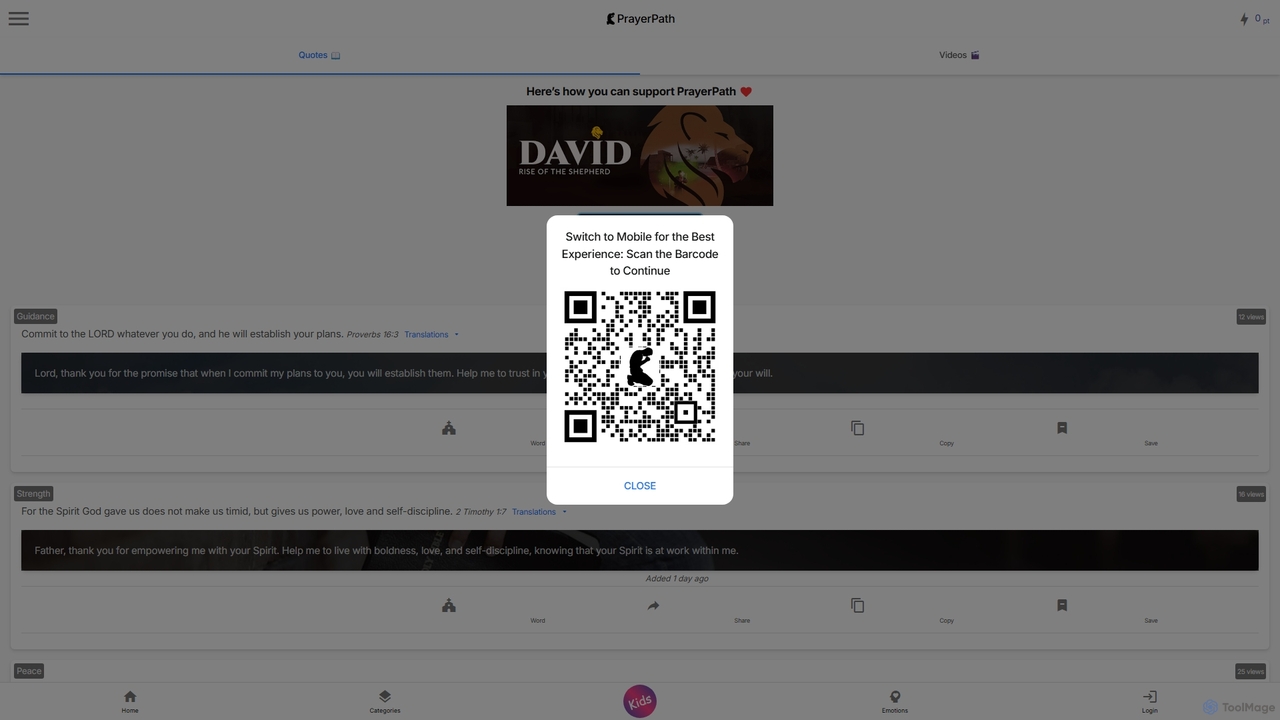
PrayerPath is a digital spiritual companion designed to deepen your faith. It offers daily devotionals, thematically categorized Bible …
PrayerPath is a digital spiritual companion designed to deepen your faith. It offers daily devotionals, thematically categorized Bible verses with multiple translations, and AI-assisted prayers. This web-based platform combines technology and scripture to provide guidance, strength, and peace for your daily life, making spiritual growth accessible and engaging for everyone.
Biblepics
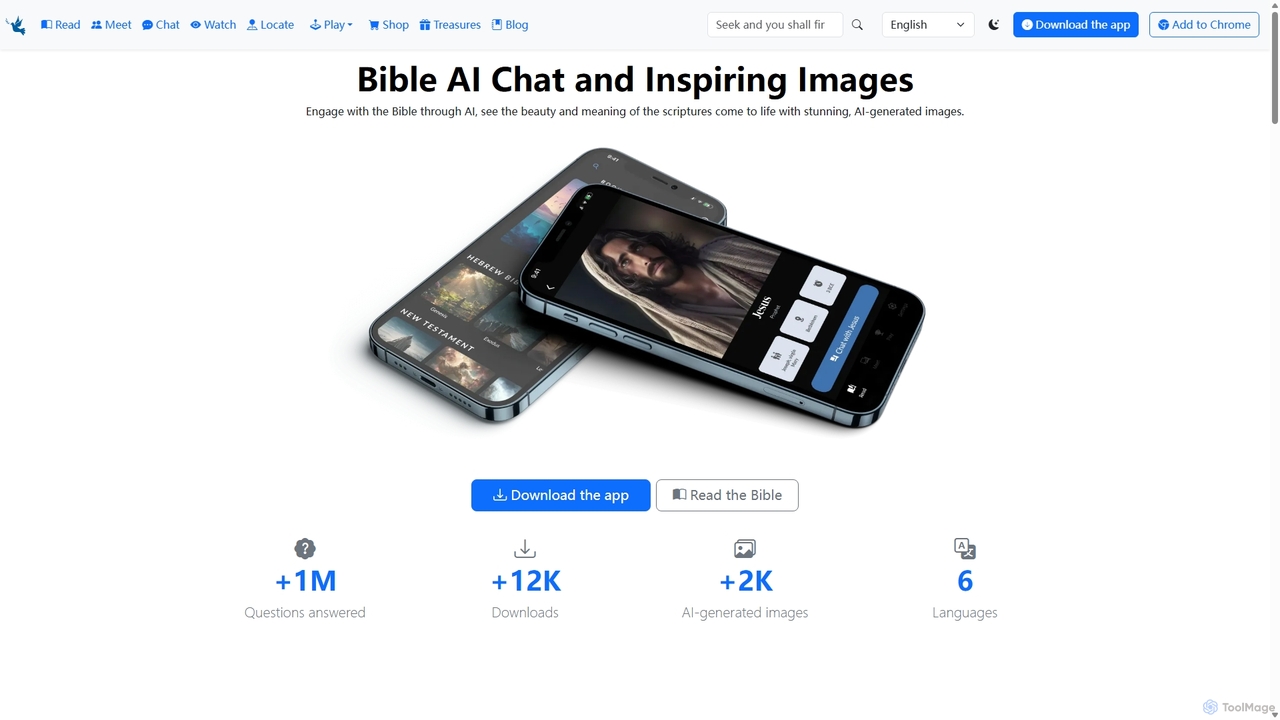
An AI-powered platform for a modern Bible experience. Engage with scriptures through AI-generated images, chat with biblical figures, …
An AI-powered platform for a modern Bible experience. Engage with scriptures through AI-generated images, chat with biblical figures, utilize an advanced AI search for deep insights, and explore creative visual galleries. A comprehensive tool for personal study, teaching, and content creation.
AskPriest
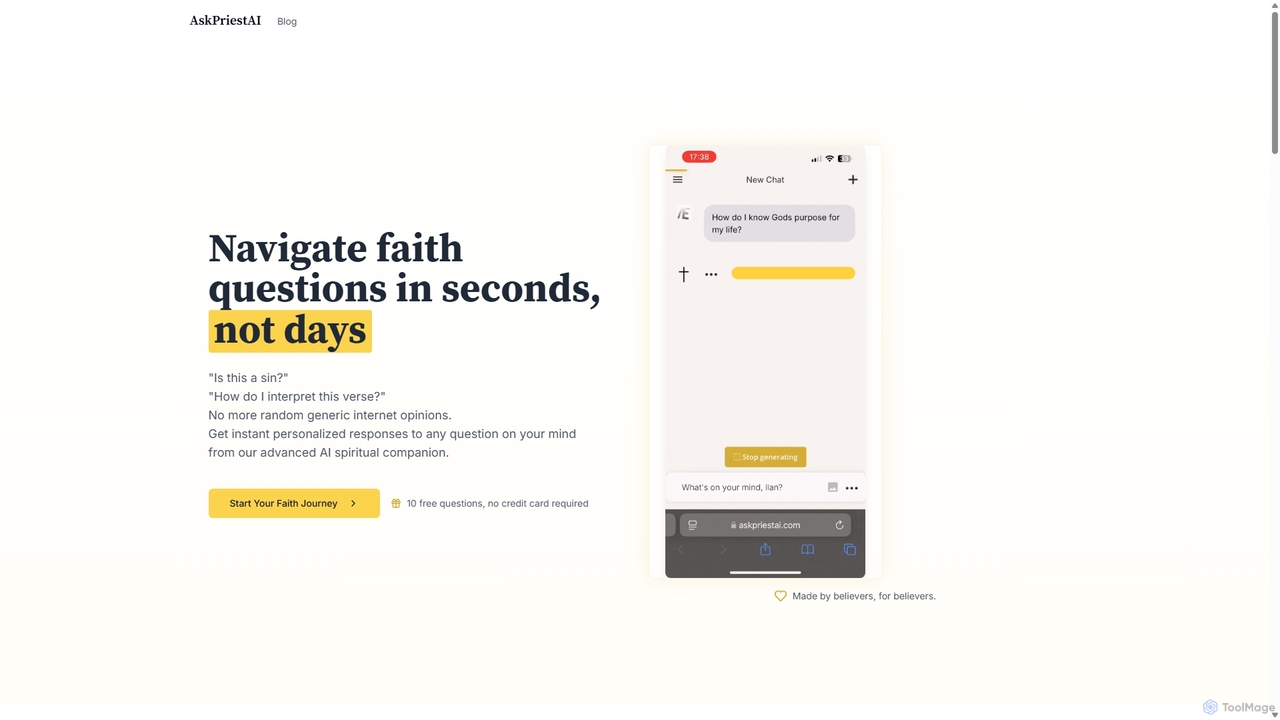
AskPriest is an AI-powered spiritual companion designed to provide instant, personalized, and Bible-based answers to questions about Christianity. …
AskPriest is an AI-powered spiritual companion designed to provide instant, personalized, and Bible-based answers to questions about Christianity. Acting as a virtual Christian guide, it offers a safe, judgment-free space for users to explore scripture, faith, and life guidance 24/7. Rooted exclusively in Christian teachings, it helps believers deepen their understanding, find comfort, and navigate their spiritual journey with confidence, eliminating the need to sift through generic internet opinions.

religione.ai
religione.ai is an AI-powered platform for theological research, religious studies, and spiritual exploration. It assists scholars, clergy, and …
religione.ai is an AI-powered platform for theological research, religious studies, and spiritual exploration. It assists scholars, clergy, and individuals in analyzing sacred texts, generating sermons, and answering complex theological questions across various faiths.

thebiblechat
An AI-powered faith app designed to help Christians grow their faith through interactive Bible study. Ask questions and …
An AI-powered faith app designed to help Christians grow their faith through interactive Bible study. Ask questions and get scripture-based answers, explore biblical characters, test your knowledge with trivia, and find verses for any moment. It's a comprehensive spiritual companion for daily prayer and learning.
Salam Chat
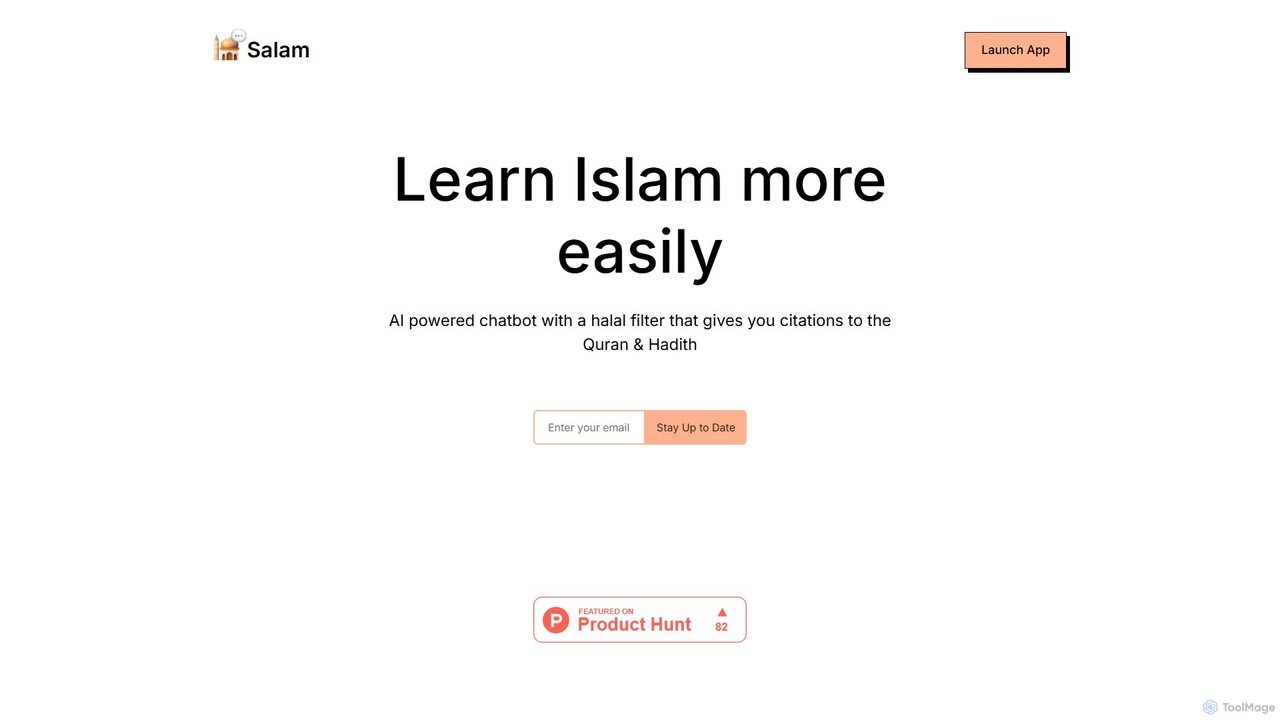
An AI-powered chatbot designed for learning about Islam. It provides answers with a halal filter and direct citations …
An AI-powered chatbot designed for learning about Islam. It provides answers with a halal filter and direct citations from the Quran and Hadith, ensuring authenticity and safety. Ideal for students, families, and anyone seeking reliable Islamic knowledge.
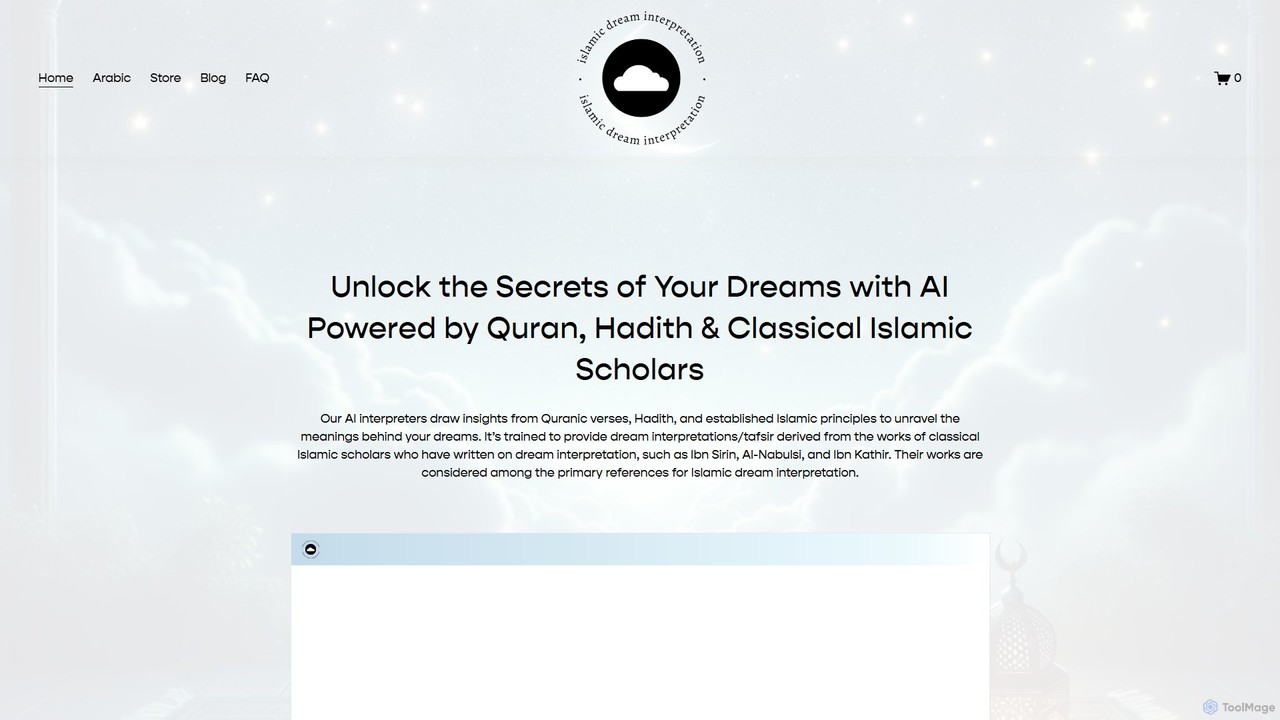
muslimdream
muslimdream is an AI-powered tool for Islamic dream interpretation. It analyzes dreams based on the Quran, Hadith, and …
muslimdream is an AI-powered tool for Islamic dream interpretation. It analyzes dreams based on the Quran, Hadith, and the works of classical scholars like Ibn Sirin. It offers instant AI-driven insights and a premium service for personalized interpretations from human experts, providing spiritual guidance and clarity.
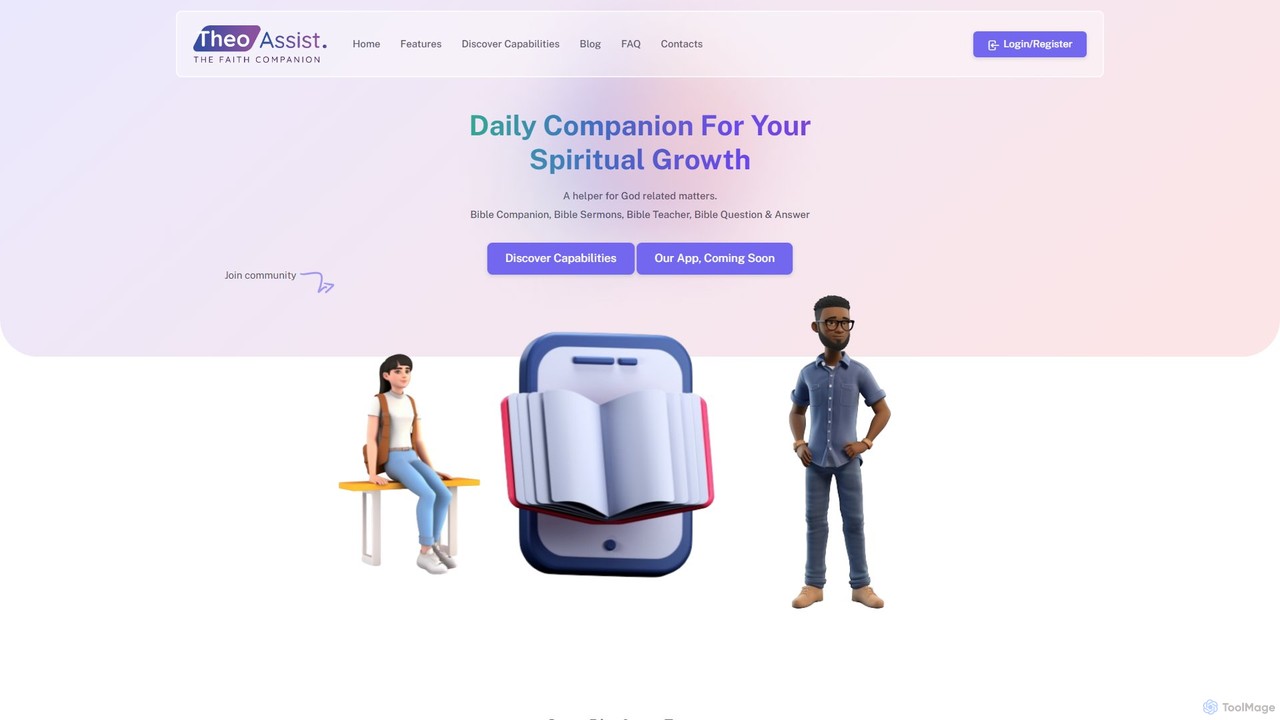
theoassist
TheoAssist is an AI-powered spiritual companion designed for Christians to deepen their faith. It offers a suite of …
TheoAssist is an AI-powered spiritual companion designed for Christians to deepen their faith. It offers a suite of tools for Bible study, sermon preparation, theological Q&A, and community connection. Whether you're a pastor, a scholar, or on a personal faith journey, TheoAssist provides personalized insights and resources to support your spiritual growth anytime, anywhere.
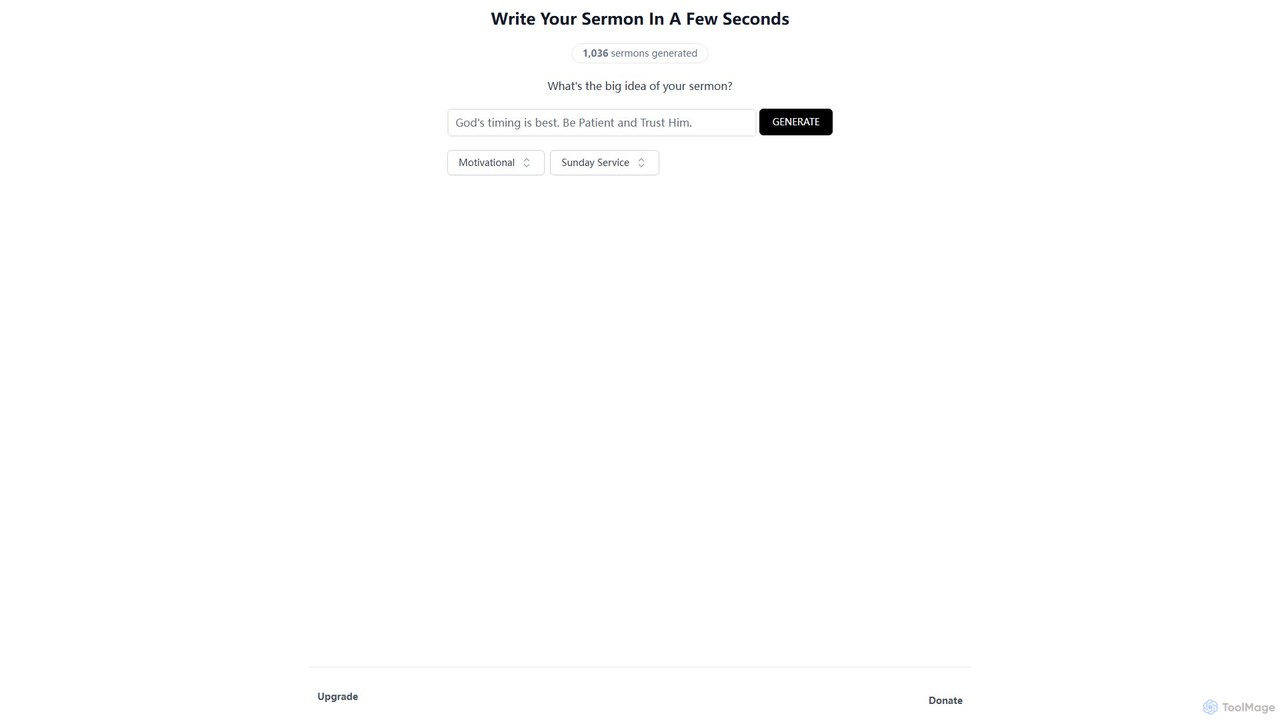
sermongpt
sermongpt is an AI-powered tool designed for pastors and speakers to generate complete, structured sermons in seconds. By …
sermongpt is an AI-powered tool designed for pastors and speakers to generate complete, structured sermons in seconds. By providing a central idea or scripture, users can instantly create drafts, outlines, and illustrations, significantly reducing preparation time and overcoming writer's block.

Deerpark AI
Deerpark AI is an AI-powered platform making the vast Buddhist Tripitaka accessible. It features a GPT-4 chatbot trained …
Deerpark AI is an AI-powered platform making the vast Buddhist Tripitaka accessible. It features a GPT-4 chatbot trained on 14,000 scripture volumes for real-time explanations, and provides side-by-side classical-to-modern Chinese translations to help users overcome language barriers and explore Buddhist philosophy.
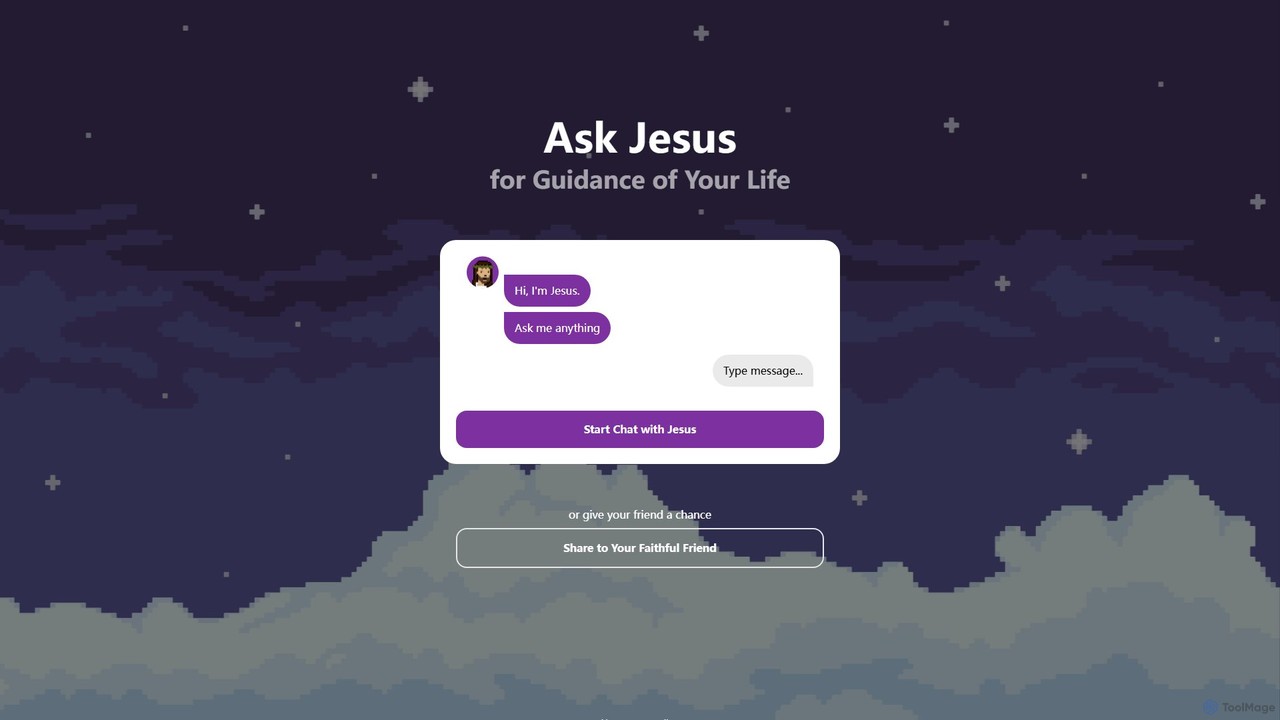
AskJesus
AskJesus is an AI-powered chatbot designed to provide spiritual guidance and wisdom from the perspective of Jesus Christ. …
AskJesus is an AI-powered chatbot designed to provide spiritual guidance and wisdom from the perspective of Jesus Christ. Users can ask life's questions, seek comfort, or explore Christian teachings in an interactive conversational format. Trained on the Bible and theological texts, it offers thoughtful, compassionate responses to help users find clarity, hope, and a deeper connection to their faith.
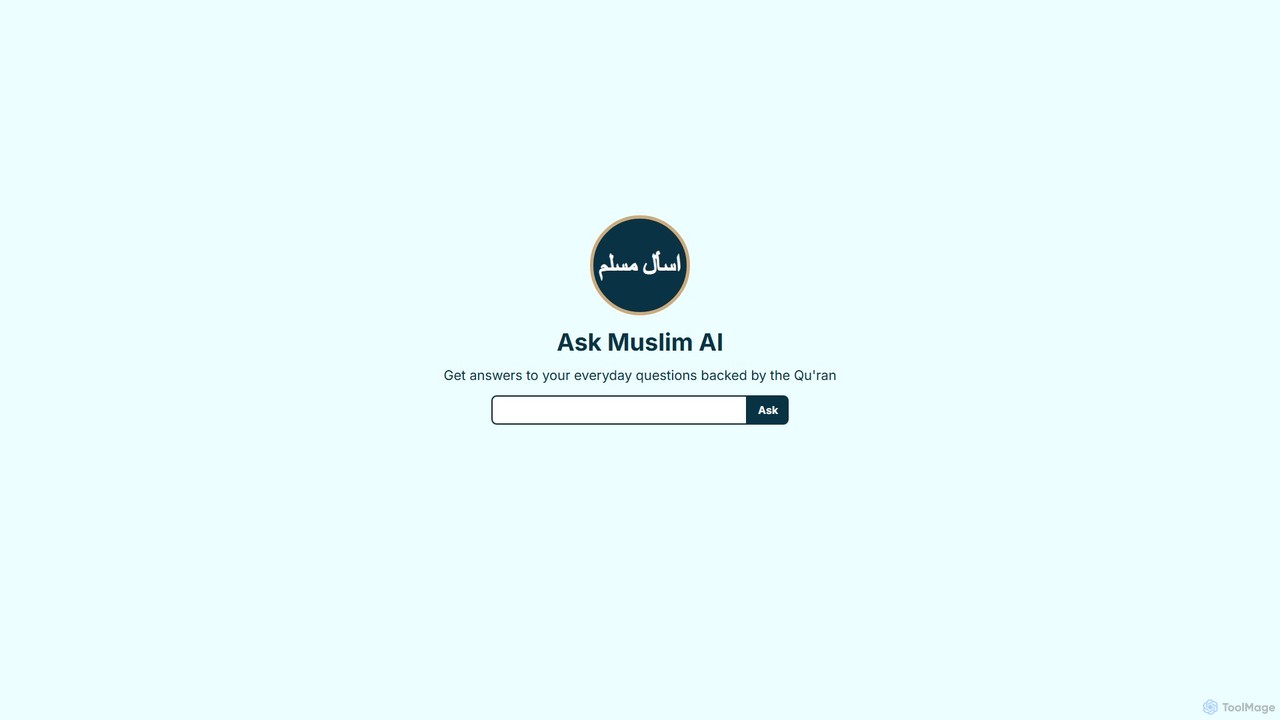
Ask Muslim AI
Ask Muslim AI is a specialized AI-powered chatbot that provides answers to everyday questions based on the teachings …
Ask Muslim AI is a specialized AI-powered chatbot that provides answers to everyday questions based on the teachings of the Qur'an. It serves as a reliable digital resource for Muslims and those interested in Islam, offering clear, cited responses for spiritual guidance, study, and research.
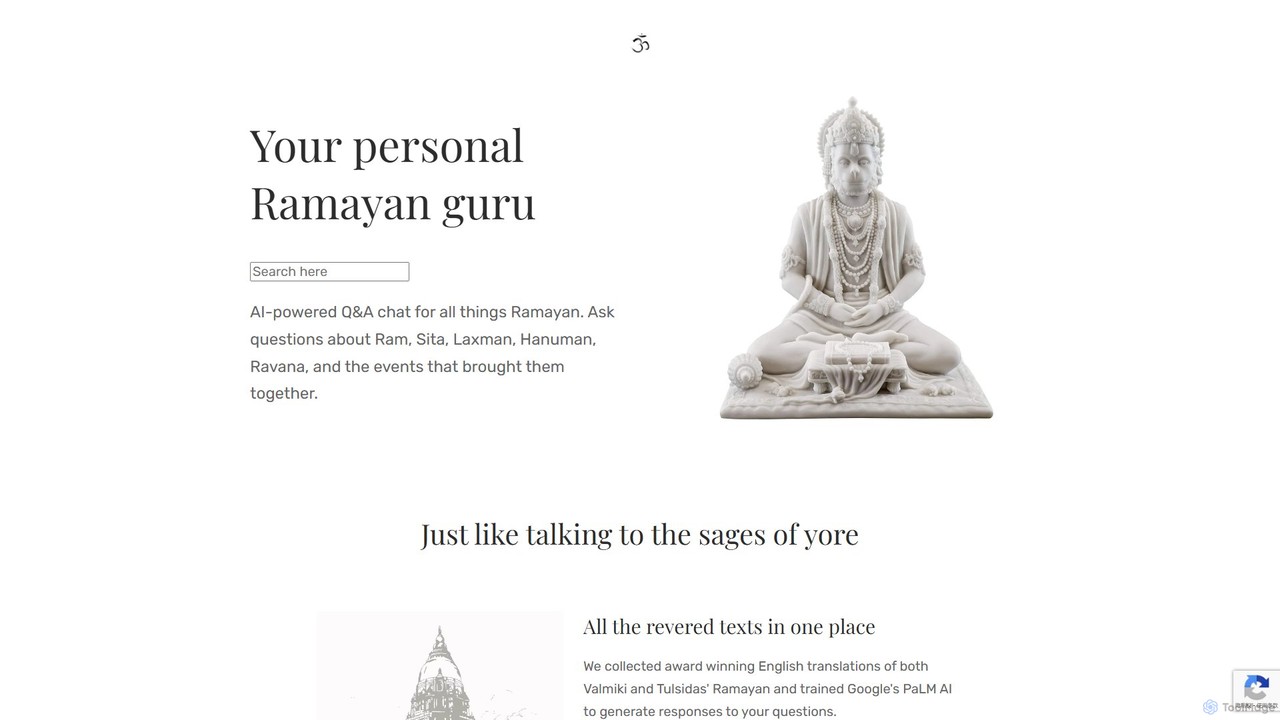
ramayan
ramayan is an AI-powered chatbot that serves as your personal guru for the Hindu epic, the Ramayana. Ask …
ramayan is an AI-powered chatbot that serves as your personal guru for the Hindu epic, the Ramayana. Ask any question about characters like Ram, Sita, and Hanuman, or events from the story. The AI is trained on acclaimed English translations of both Valmiki's and Tulsidas's Ramayana, providing insightful and contextually accurate answers based on revered texts.
islamiq
islamiq is an AI-powered platform designed to provide comprehensive and accessible Islamic knowledge. It serves as a digital …
islamiq is an AI-powered platform designed to provide comprehensive and accessible Islamic knowledge. It serves as a digital scholar, offering instant, sourced answers on the Quran, Hadith, Fiqh (jurisprudence), and Islamic history. Ideal for students, scholars, and anyone seeking to deepen their understanding of Islam.
About Religious Studies
AI Religious Studies tools are a specialized category of educational software designed to analyze, interpret, and explore religious texts and historical data. Leveraging Natural Language Processing (NLP) and machine learning, these tools identify thematic patterns, linguistic nuances, and conceptual connections within vast digital archives of sacred scriptures and scholarly articles. They empower researchers, students, and theologians to conduct in-depth textual analysis, comparative studies, and historical research with greater efficiency and depth, moving beyond simple keyword searches to uncover complex relationships within the data.
Core Features
- Semantic Textual Analysis: Identifies and cross-references themes, concepts, and figures across one or multiple religious texts.
- Historical Contextualization: Links scriptural passages to relevant historical events, cultural practices, and archaeological findings.
- Comparative Religion Modeling: Maps and visualizes similarities and differences in doctrines, rituals, and narratives between various faiths.
- Ancient Language Support: Provides tools for translation, morphological analysis, and exegesis of languages like Hebrew, Greek, Sanskrit, and Classical Arabic.
- Research Data Management: Organizes and searches extensive collections of scholarly articles, commentaries, and primary source documents.
Applicable Scenarios
These tools are primarily used in academic institutions by theology students and religious scholars for dissertation research and textual criticism. They are also valuable for clergy and religious educators in preparing sermons, lectures, and study materials. Additionally, historians and linguists use them to study the evolution of religious language and its impact on culture.
Selection Criteria
When selecting an AI Religious Studies tool, consider the scope of its text corpus—which religious texts and translations are included? Evaluate its analytical capabilities, such as support for semantic search, topic modeling, or sentiment analysis. Assess the quality of its support for ancient and modern languages. Finally, consider the user interface's complexity and whether it aligns with your technical expertise.
Religious StudiesUse Cases
Comparative Analysis of Creation Narratives
A university student in a comparative religion course uses an AI tool to analyze the creation narratives in Genesis, the Quran, and the Enuma Elish. The tool's semantic analysis feature highlights thematic parallels, such as the role of a divine creator and primordial chaos, while also identifying key terminological and structural differences. This allows the student to generate a detailed comparative chart, saving weeks of manual reading and cross-referencing, and providing a solid foundation for their term paper on ancient Near Eastern cosmology.
Tracing a Theological Concept Through Scripture
A theologian is researching the evolution of the concept of 'covenant' throughout the Hebrew Bible. They use an AI tool to perform a comprehensive search that goes beyond simple keyword matching. The AI identifies all related passages, including implicit references and metaphorical uses, and visualizes their distribution across different books and historical periods. This reveals how the concept's meaning shifted from a legal agreement to a relational promise, providing critical insights for a new scholarly article.
Preparing a Sermon on a Biblical Passage
A pastor is preparing a sermon on a complex passage from the Pauline epistles. Using an AI Religious Studies tool, they instantly access a curated collection of historical commentaries, linguistic notes on the original Greek text, and cross-references to related Old Testament prophecies. The tool summarizes different scholarly interpretations and provides historical context on the early Christian community in Corinth. This enriches the sermon with deep, well-researched insights, accomplished in a fraction of the time it would take using traditional library methods.
Digital Humanities Research on Manuscript Variations
A researcher in digital humanities is studying variations in early New Testament manuscripts. They upload digitized versions of several codices into an AI platform. The tool uses optical character recognition (OCR) and comparative algorithms to automatically align the texts and flag every variant, from single-letter changes to entire omitted phrases. The system then categorizes these variants, helping the researcher identify scribal habits and trace the textual transmission history of different manuscript families.
Generating Study Materials for a Theology Class
An educator teaching an introductory course on world religions needs to create engaging study materials. They use an AI tool to generate concise summaries of core doctrines from Hinduism, Buddhism, and Islam. The tool also creates multiple-choice quizzes based on key texts like the Bhagavad Gita and the Dhammapada. This automates the content creation process, allowing the educator to focus on classroom discussion and student interaction, while ensuring the materials are accurate and cover the essential concepts.
Linguistic Analysis of Quranic Arabic
A linguist specializing in Classical Arabic uses an AI tool to analyze the grammatical and stylistic features of the Quran. The platform performs morphological analysis on the entire text, identifying root words, verb forms, and unique syntactical structures. It generates frequency reports and visualizations that reveal patterns in word usage and rhetorical devices. This quantitative data provides objective evidence for the linguist's research on the text's literary uniqueness and its influence on the Arabic language.