ToolMage
Sign in

Best 1 Student Engagement AI tools for Education

Popular Student Engagement AI tools in Education include Curipod, helping you work more efficiently.

Curipod
Freemium

Curipod

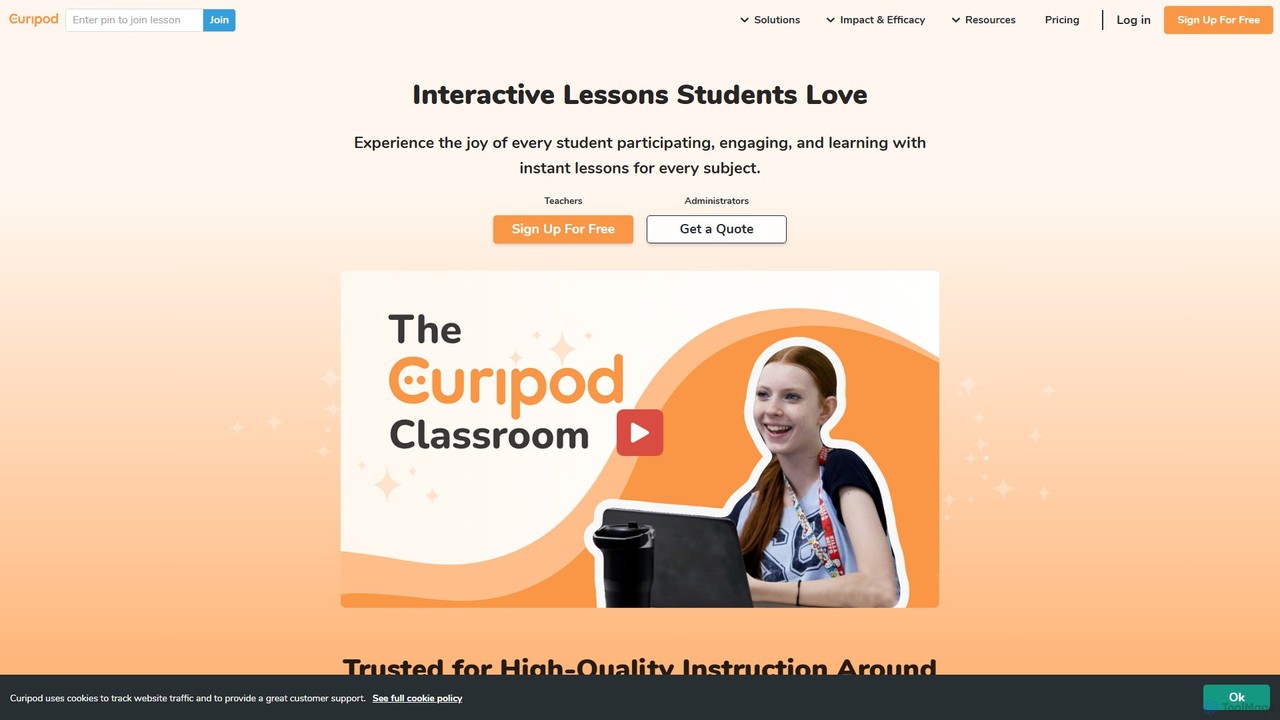
Curipod is an AI-powered platform that helps educators create interactive lessons to boost student engagement, participation, and learning. It generates complete, standards-aligned lessons with activities like polls, drawings, and open-ended questions, providing real-time AI feedback to students to foster critical thinking and writing skills.

Lesson Planning
Visits 154.3KFavorites 147Likes 145

About Student Engagement

Student Engagement AI tools are designed to enhance interaction, motivation, and active participation among learners. These AI-powered platforms leverage technologies like natural language processing, adaptive learning algorithms, and gamification to create dynamic and personalized educational experiences. They aim to transform passive learning into an interactive journey, fostering deeper understanding and improved academic outcomes. By providing real-time feedback and tailored content, these tools help educators create more inclusive and stimulating learning environments.

Core Features

  • Interactive Quizzes & Polls: Create dynamic assessments and gather instant feedback to gauge student comprehension and participation.
  • Personalized Learning Paths: Adapt content and activities based on individual student progress and learning styles, ensuring tailored educational journeys.
  • Gamification Elements: Integrate game-like features such as points, badges, and leaderboards to boost motivation and make learning enjoyable.
  • AI-Powered Feedback & Tutoring: Provide immediate, constructive feedback on assignments and offer virtual tutoring support to address learning gaps.
  • Collaborative Learning Spaces: Facilitate group projects and discussions through AI-moderated platforms that encourage peer interaction and knowledge sharing.

Use Cases

Educators use these tools to design more dynamic lessons, track student participation in real-time, and identify areas where students might be struggling. Students benefit from personalized content, immediate feedback, and engaging activities that make learning more accessible and enjoyable. These tools are particularly valuable in blended learning environments and for fostering active participation in large classrooms.

How to Choose

When selecting Student Engagement AI tools, consider the specific learning objectives and target age group. Evaluate the tool's integration capabilities with existing learning management systems (LMS), the variety of interactive features offered, and its ability to provide actionable data on student performance. User-friendliness for both educators and students, along with robust privacy and data security measures, are also crucial factors.

Student Engagement use cases

1

Enhancing Classroom Discussions with AI-Moderated Q&A

University professors utilize AI-powered discussion platforms to manage large class Q&A sessions. Students submit questions anonymously or publicly, and the AI groups similar questions, highlights key themes, and even suggests answers or resources, ensuring all voices are heard and discussions remain focused, saving the professor significant moderation time.

2

Personalizing Homework Assignments for Diverse Learners

High school teachers employ AI adaptive learning tools to generate customized homework for each student. Based on previous performance and learning styles, the AI adjusts difficulty levels and content focus, ensuring that advanced students are challenged and struggling students receive targeted support, leading to improved individual comprehension.

3

Boosting Participation in Online Lectures with Interactive Polls

Online course instructors integrate AI-driven polling and quiz features into live virtual lectures. Throughout the session, students respond to questions, and the AI instantly aggregates results, allowing the instructor to address misconceptions in real-time and maintain high levels of engagement, preventing passive viewing.

4

Gamifying Learning to Increase Student Motivation

Elementary school educators use AI gamification platforms to transform mundane learning tasks into engaging challenges. Students earn points, badges, and unlock new content as they complete modules, fostering a competitive yet fun environment that significantly boosts motivation and consistent effort in subjects like math or language arts.

5

Providing Instant, Personalized Feedback on Written Assignments

College students submit essays to AI writing assistants that provide immediate, detailed feedback on grammar, style, clarity, and even content suggestions. This instant feedback loop allows students to revise and improve their work before final submission, enhancing writing skills and reducing the instructor's grading load.

6

Facilitating Collaborative Group Projects with AI-Assisted Brainstorming

Project-based learning in middle school benefits from AI tools that assist student groups in brainstorming and organizing ideas. The AI can suggest related concepts, identify potential overlaps, and help structure project plans, enabling more efficient and equitable collaboration among team members.

Student Engagement FAQ

What are Student Engagement AI tools?

Student Engagement AI tools are software applications that use artificial intelligence to make learning more interactive, personalized, and motivating for students. They leverage technologies like machine learning, natural language processing, and data analytics to adapt content, provide feedback, and create engaging activities, moving beyond traditional passive learning methods.

How do Student Engagement AI tools differ from traditional educational software?

Unlike traditional educational software that often provides static content or pre-programmed exercises, Student Engagement AI tools are dynamic and adaptive. They can analyze student performance in real-time, personalize learning paths, offer intelligent feedback, and gamify content based on individual needs, creating a more responsive and interactive learning experience.

What are the key benefits of using AI for student engagement?

The primary benefits include increased student motivation and participation through gamification and interactive elements, personalized learning experiences tailored to individual needs, immediate and constructive feedback, and improved academic outcomes. These tools also help educators identify learning gaps and optimize teaching strategies more effectively.

What features should I look for when choosing a Student Engagement AI tool?

When selecting a tool, prioritize features such as adaptive learning capabilities, robust analytics for tracking student progress, interactive content creation (e.g., quizzes, polls, simulations), gamification elements, and seamless integration with existing learning management systems (LMS). Also, consider the ease of use for both educators and students, and strong data privacy policies.

Can Student Engagement AI tools replace human teachers?

No, Student Engagement AI tools are designed to augment, not replace, human teachers. They serve as powerful assistants that handle repetitive tasks, provide personalized support, and offer data-driven insights, freeing up teachers to focus on higher-level instruction, mentorship, and addressing complex student needs that AI cannot replicate.