Education Best in category 1 results Summarization AI Tool

Popular AI tools in the Summarization field of Education include BreeAI, etc., helping you quickly improve efficiency.

BreeAI

BreeAI

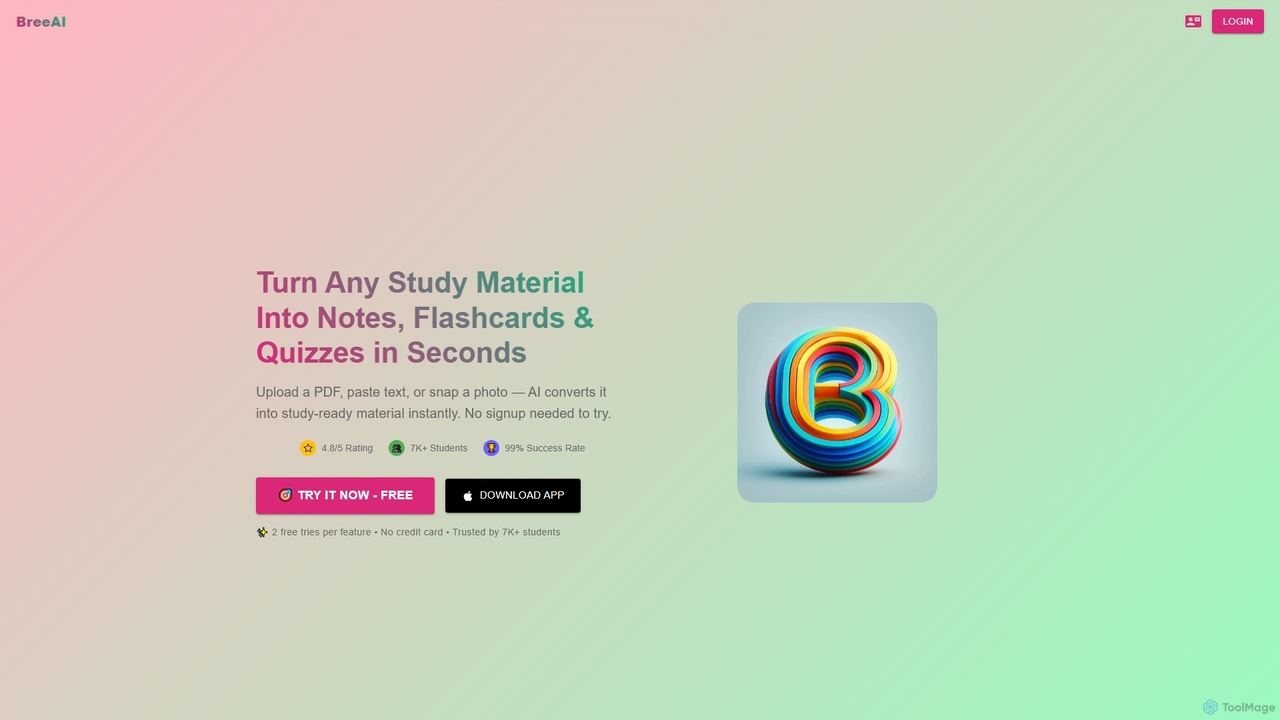
BreeAI is an advanced AI-powered study tool designed to transform any study material into organized notes, interactive flashcards, …

2.4K

About Summarization

Summarization tools are AI-powered applications designed to condense lengthy texts, documents, or even audio/video transcripts into shorter, coherent summaries, making them especially valuable in educational contexts. These tools leverage advanced Natural Language Processing (NLP) and machine learning algorithms to identify and extract or generate the most critical information. Their primary value lies in saving significant time and effort by enabling users to quickly grasp the core content of vast amounts of information, enhancing comprehension and decision-making.

Core Features

  • Automatic Text Condensation: Automatically reduces long articles, reports, or books into concise versions.
  • Key Information Extraction: Identifies and highlights the most important sentences, phrases, or concepts from a given text.
  • Multi-format Support: Processes various input types including plain text, PDFs, web pages, and transcribed audio/video.
  • Abstractive & Extractive Modes: Offers options to either extract original sentences or generate new, rephrased summaries.
  • Customizable Output Length: Allows users to specify the desired length or percentage of the summary relative to the original text.

Use Cases

These tools are widely adopted by students for academic research, professionals analyzing market reports, and content creators needing quick overviews. For instance, a university student can summarize multiple research papers for a literature review, or a business analyst can condense quarterly financial reports to extract key performance indicators. Content marketers use them to create brief social media captions from longer blog posts, ensuring consistent messaging across platforms.

How to Choose

When selecting a summarization tool, consider its accuracy and coherence in generating summaries, ensuring the output is both grammatically correct and logically flows. Evaluate the range of supported input formats and languages, as well as the flexibility of customization options like summary length and style. Integration capabilities with existing workflows and platforms, along with the pricing model and overall ease of use, are also crucial factors for making an informed decision.

SummarizationUse Cases

1

Student Research & Study

University students can use summarization tools to quickly digest lengthy academic papers, textbooks, and lecture notes. By inputting research articles, they receive concise summaries that highlight key findings, methodologies, and conclusions, significantly reducing reading time and aiding in efficient literature reviews and exam preparation.

2

Professional Report Analysis

Business professionals, consultants, and analysts frequently deal with extensive reports, market analyses, and legal documents. Summarization tools enable them to rapidly extract critical insights, key data points, and actionable recommendations from these documents, allowing for faster decision-making and more efficient information sharing within teams.

3

Content Creation & Curation

Content creators, bloggers, and journalists leverage these tools to generate quick overviews or short descriptions for their articles, blog posts, or social media updates. They can summarize long-form content to create engaging snippets, meta descriptions, or email newsletters, streamlining the content repurposing process and maintaining audience engagement.

4

News & Information Digest

Individuals and organizations needing to stay updated across various industries can utilize summarization tools to create personalized news digests. By feeding multiple news articles, industry reports, or research findings into the tool, they receive consolidated summaries, helping them quickly grasp daily developments and identify relevant trends without information overload.

5

Meeting Minutes & Transcripts

For teams that record meetings or interviews, summarization tools can process audio transcripts to automatically extract key discussion points, decisions made, and assigned action items. This significantly reduces the manual effort of note-taking and ensures that all participants have a clear, concise record of the meeting's outcomes and next steps.

6

Language Learning & Comprehension

Language learners or individuals encountering complex technical texts in a foreign language can use summarization tools to simplify content. The tools provide condensed versions that are easier to understand, helping learners grasp the main ideas without getting bogged down by intricate vocabulary or sentence structures, thus accelerating comprehension.

SummarizationFrequently Asked Questions