
Education Best in category 1 results Sustainability AI Tool

Popular AI tools in the Sustainability field of Education include drawerrr, etc., helping you quickly improve efficiency.

Free
drawerrr

drawerrr

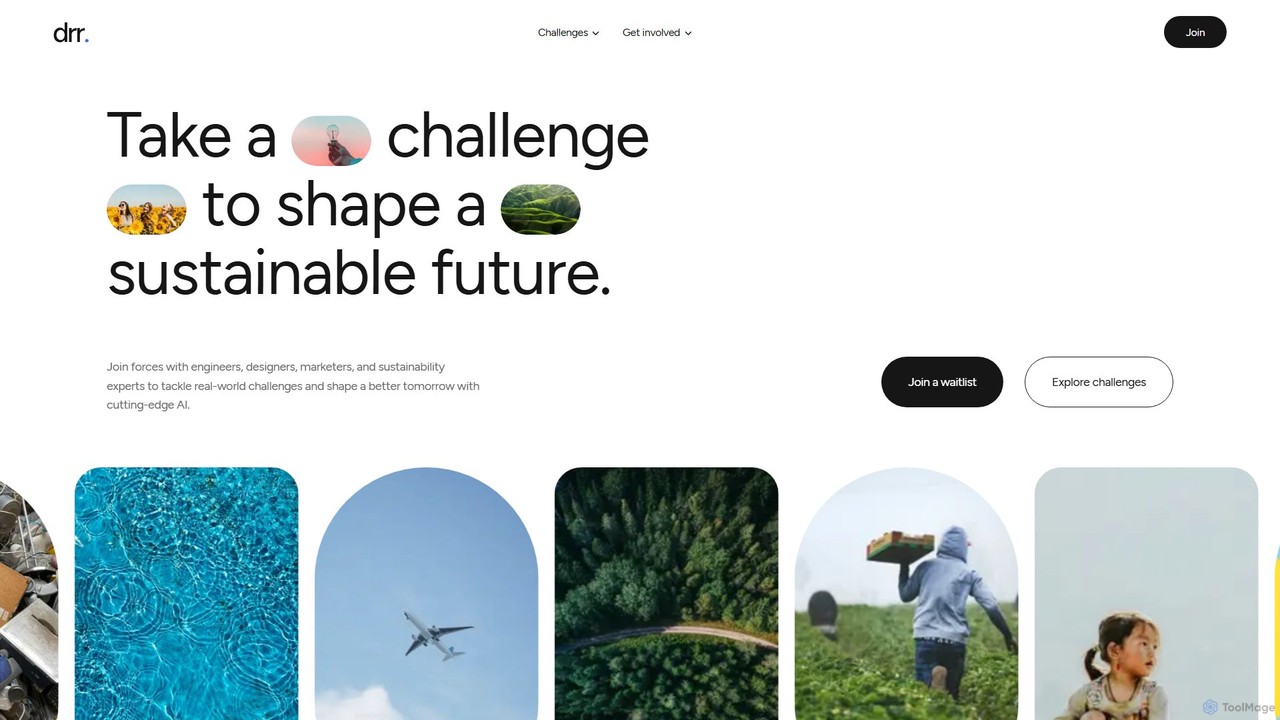
drawerrr is a collaborative innovation platform that hosts challenges focused on solving real-world sustainability issues. It connects engineers, …

5.5K

About Sustainability

AI Sustainability tools are a category of educational software that leverages artificial intelligence to teach and explore complex environmental topics. These tools often use simulations, data analysis, and interactive models to make concepts like climate change, resource management, and ecological balance more understandable and engaging. They aim to foster environmental literacy and empower users to make informed decisions by visualizing the impact of human actions on the planet. This approach transforms abstract data into tangible learning experiences for students and educators.

Core Features

  • Interactive Climate Modeling: Allows users to adjust variables like carbon emissions and see their long-term impact on global temperatures and sea levels.
  • Ecological Footprint Analysis: Calculates the environmental impact of individual or group activities based on consumption patterns.
  • Gamified Learning Modules: Uses game mechanics and AI-driven challenges to teach sustainable practices and environmental science concepts.
  • Real-time Data Visualization: Presents complex environmental data (e.g., air quality, deforestation rates) in easy-to-understand charts and maps.
  • AI-Powered Quizzes and Feedback: Generates personalized assessments to test knowledge and provides instant feedback to guide the learning process.

Use Cases

These tools are primarily used in educational settings, from K-12 classrooms to university-level environmental science courses. Educators use them to create dynamic lesson plans and interactive assignments. Non-profits and environmental organizations also utilize them for public awareness campaigns and training programs. They are valuable for any context where the goal is to communicate complex sustainability issues effectively.

How to Choose

When selecting an AI Sustainability tool, consider its curriculum alignment and age-appropriateness for your target audience. Evaluate the accuracy and source of the underlying environmental data. Assess the tool's user interface for ease of use, especially for students or educators without a technical background. Finally, check for features that support collaboration and project-based learning to maximize engagement.

SustainabilityUse Cases

1

Simulating Climate Change Impacts in the Classroom

A high school science teacher uses an AI sustainability tool to create an interactive lesson on the greenhouse effect. Students are tasked with adjusting variables such as industrial emissions, deforestation rates, and renewable energy adoption within the simulation. The AI model then projects the long-term consequences of their choices over 50 years, visualizing changes in global temperature, sea-level rise, and biodiversity. This hands-on approach helps students grasp complex cause-and-effect relationships that are difficult to explain with static textbooks, making the abstract concept of climate change tangible and memorable.

2

Analyzing Personal Ecological Footprints

A university student in an environmental studies course uses an AI-powered tool to analyze their personal ecological footprint. They input data about their lifestyle, including diet, transportation habits, energy consumption, and shopping patterns. The AI processes this information, compares it to national and global averages, and provides a detailed breakdown of their environmental impact. More importantly, it suggests personalized, actionable steps for reduction, such as switching to a plant-based diet one day a week or optimizing travel routes, and simulates the potential positive impact of these changes.

3

Gamified Learning for Corporate Sustainability Training

A corporate training manager implements an AI-powered gamified platform to educate employees on the company's new sustainability initiatives. Instead of traditional presentations, employees engage in interactive scenarios and quizzes about waste reduction, energy conservation, and ethical sourcing. The AI adapts the difficulty level based on individual performance and provides real-time feedback. A leaderboard fosters friendly competition, and employees earn badges for completing modules. This approach increases engagement and knowledge retention compared to passive learning methods, helping to embed a culture of sustainability within the organization.

4

Visualizing Deforestation Data for a Research Project

A geography student is working on a research paper about the Amazon rainforest. They use an AI sustainability tool to access and visualize decades of satellite imagery data. The tool's AI algorithm helps identify and quantify areas of deforestation over time, correlating them with factors like road construction and agricultural expansion. The student can generate interactive maps and time-lapse animations to include in their presentation, providing a powerful visual narrative of the issue. This allows them to move beyond static charts and present complex geospatial data in a clear, compelling way.

5

Interactive Museum Exhibit on Biodiversity

A museum curator designs an interactive exhibit about local biodiversity using an AI sustainability tool. Visitors interact with a large touchscreen where they can introduce or remove species from a simulated ecosystem. The AI model calculates the cascading effects on the food web and overall ecosystem health in real-time, displaying the results visually. For example, removing a key pollinator species leads to a decline in plant populations. This engaging experience educates visitors of all ages about the delicate balance of ecosystems and the importance of conservation in a way that a static display cannot.

6

Modeling Policy Impacts for Social Studies

A social studies teacher uses an AI simulation tool to help students understand the complex trade-offs of environmental policy. The class is divided into groups representing different stakeholders (e.g., government, industry, environmental groups). They propose policies like a carbon tax or subsidies for green technology. The AI model then simulates the socio-economic and environmental impacts of each policy over 20 years, showing effects on GDP, employment, and carbon emissions. This allows students to engage in informed debate and appreciate the multifaceted nature of sustainability challenges, moving beyond simplistic solutions.

SustainabilityFrequently Asked Questions