Education Best in category 1 results Training Platform AI Tool

Popular AI tools in the Training Platform field of Education include Courses.ai, etc., helping you quickly improve efficiency.

Courses.ai

Courses.ai

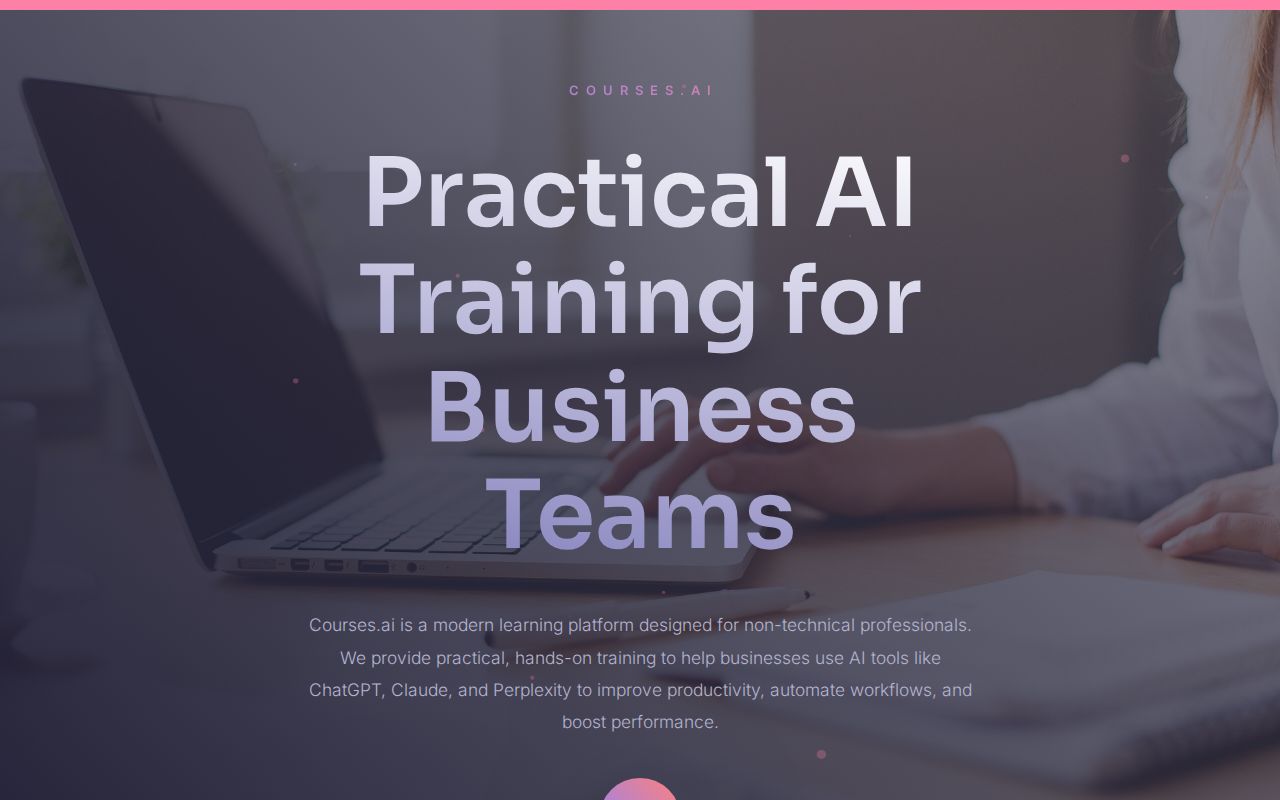
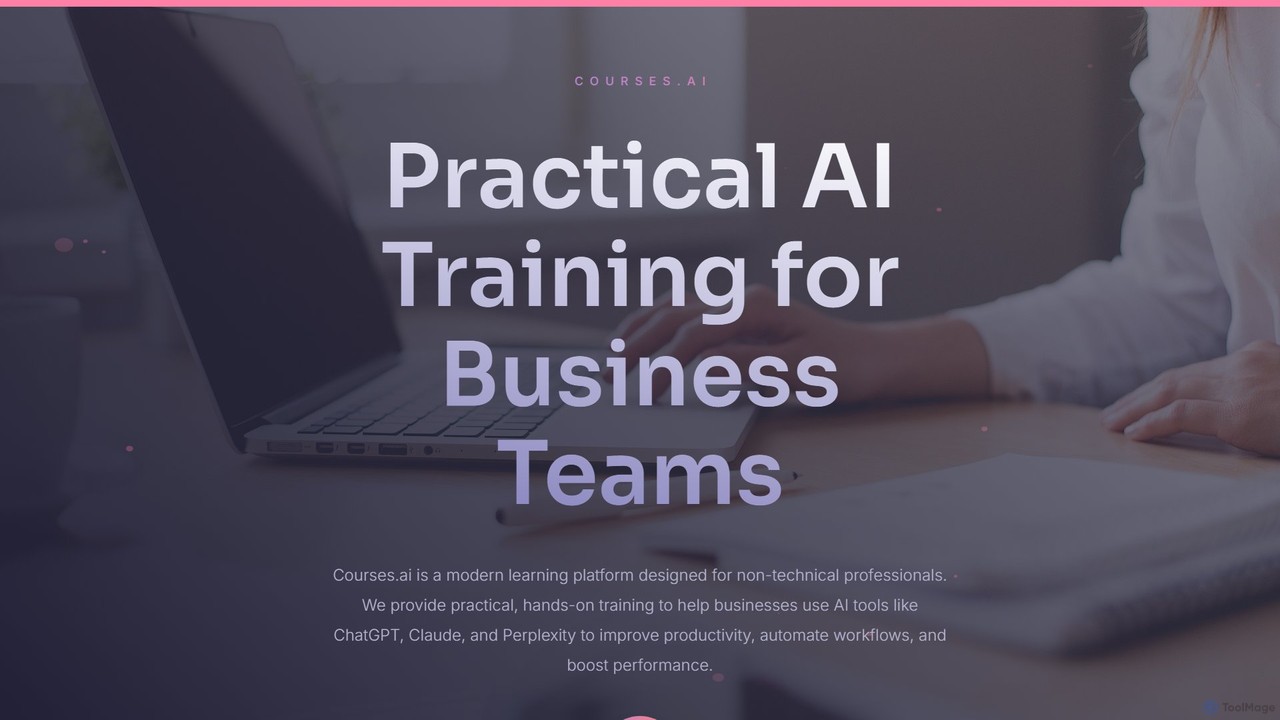
Courses.ai is a modern learning platform offering practical, hands-on AI training for business teams. Designed for non-technical professionals, …

3.0K

About Training Platform

AI Training Platforms are tools that use artificial intelligence to automate the creation, delivery, and personalization of educational content. They leverage generative AI models to transform existing documents, videos, or simple prompts into structured courses, interactive simulations, and assessments. This enables organizations to rapidly develop scalable and engaging training programs for employees or customers. Unlike traditional Learning Management Systems (LMS) that primarily host static content, these platforms focus on dynamic generation and adaptive learning paths.

Core Features

  • AI-Powered Content Creation: Automatically generates course materials, quizzes, and video scripts from various inputs like documents or text.
  • Personalized Learning Paths: Adapts the curriculum and difficulty for each learner based on their performance and goals.
  • Interactive Simulations: Creates realistic role-playing scenarios for skills practice, such as sales calls or customer support interactions.
  • Automated Assessment: Instantly evaluates learner responses and provides targeted, constructive feedback.
  • Knowledge Base Transformation: Converts existing company wikis and support documents into interactive training modules.

Use Cases

These platforms are widely used in corporate environments for employee onboarding, sales enablement, and customer service training. They are also valuable for software companies looking to create interactive product tutorials for users, and for compliance departments needing to quickly roll out updated regulatory training.

How to Choose

When selecting an AI Training Platform, consider the types of content it can generate and the input formats it accepts. Evaluate the depth of its personalization and simulation capabilities. Check for integration options with your existing LMS, HRIS, or CRM systems. Finally, assess the analytics and reporting features to track learner progress and training effectiveness.

Training PlatformUse Cases

1

Automating Corporate Onboarding Training

HR and L&D managers can use AI Training Platforms to streamline new hire orientation. By uploading company handbooks, policy documents, and product guides, the platform automatically generates a comprehensive onboarding curriculum. This includes interactive modules on company culture, compliance quizzes, and role-specific training, reducing manual content creation time by over 80% and ensuring a consistent experience for all new employees.

2

Creating Realistic Sales Role-Play Simulations

Sales enablement teams can build AI-powered simulations for training sales representatives. They can define customer personas, common objections, and product value propositions. The AI then creates an interactive avatar that sales reps can practice their pitching, negotiation, and objection-handling skills with. The platform provides instant feedback on their performance, analyzing tone, word choice, and effectiveness, allowing for scalable and consistent skills coaching.

3

Developing Interactive Software Product Training

SaaS companies can transform their static help documentation into an engaging learning experience. By feeding the AI platform with knowledge base articles, video tutorials, and API docs, it can generate interactive, step-by-step product walkthroughs. This allows new users to learn by doing within a simulated environment, significantly improving feature adoption and reducing the burden on customer support teams for basic 'how-to' questions.

4

Rapid Creation of Compliance Training Modules

Compliance officers in regulated industries like finance or healthcare can use these platforms to quickly create and update mandatory training. When new regulations are introduced, they can simply provide the legal documents or summaries to the AI. The platform then generates engaging training modules with scenarios and quizzes to ensure employees understand and can apply the new rules, drastically shortening the development cycle from weeks to hours.

5

Personalized Upskilling for Technical Teams

L&D managers can create personalized learning paths for developers or IT professionals. The platform can assess an individual's current skill level in a specific programming language or technology stack through AI-driven tests. Based on the results, it automatically curates a custom curriculum from internal documentation and external resources to fill knowledge gaps, ensuring that training time is spent efficiently on the most relevant topics for each team member.

6

Building Customer Service Soft Skills Training

Customer support leaders can use AI platforms to train agents on soft skills like empathy, de-escalation, and active listening. The system can generate realistic customer complaint scenarios where agents interact with an AI chatbot. The platform analyzes the conversation for tone, sentiment, and key phrases, providing objective feedback and scores. This allows for consistent, scalable soft skills training that goes beyond simple knowledge-based tests.

Training PlatformFrequently Asked Questions