Education Best in category 1 results Tutorial AI Tool

Popular AI tools in the Tutorial field of Education include promptoMANIA, etc., helping you quickly improve efficiency.

Free
promptoMANIA

promptoMANIA

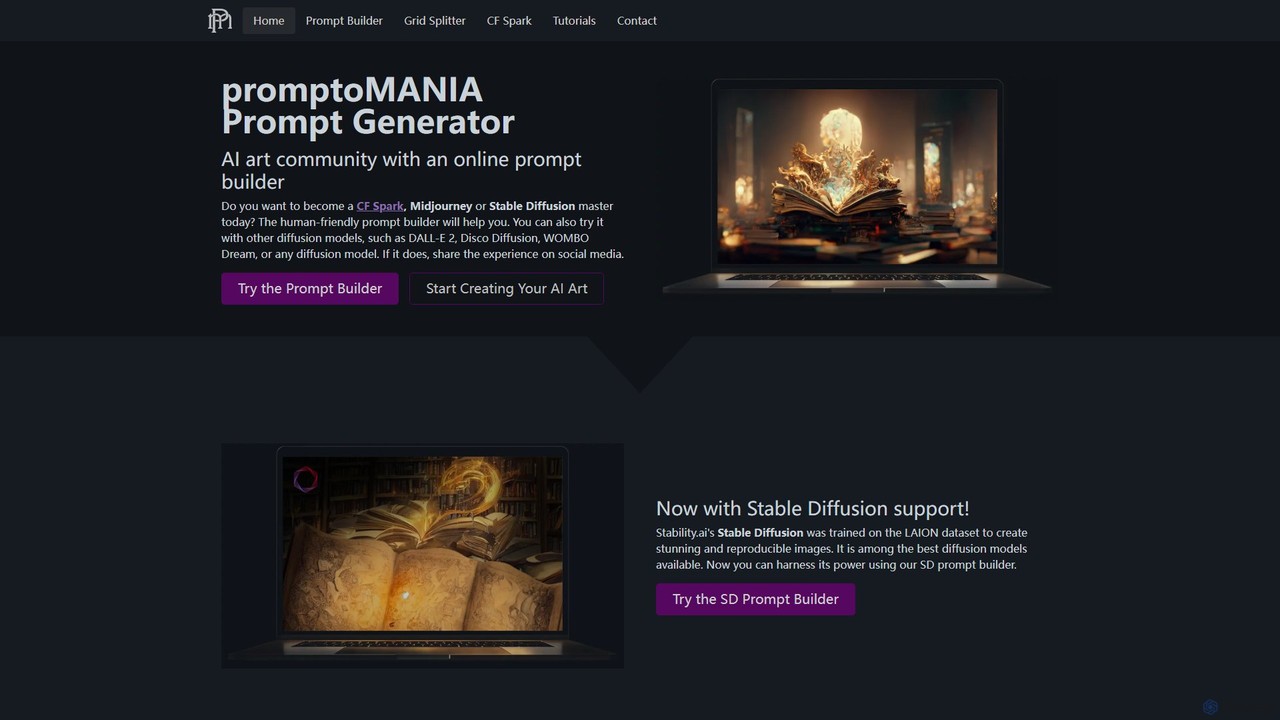
A free, user-friendly AI art prompt builder and helper tool. It enables users to create detailed and complex …

67.4K

About Tutorial

AI-powered tutorial tools are a specialized category within educational AI, designed to create, personalize, and deliver step-by-step learning content. These tools leverage artificial intelligence to automate content generation, adapt to individual learning paces, and provide interactive guidance. They significantly enhance the efficiency and effectiveness of learning by offering dynamic, engaging, and customized educational experiences across various subjects and skill levels.

Core Features

  • Automated Content Generation: Quickly create text, images, or interactive elements for tutorials based on prompts or existing data.
  • Personalized Learning Paths: Adapt tutorial content, difficulty, and pace to individual learner progress, preferences, and knowledge gaps.
  • Interactive Q&A and Assistance: Provide real-time, context-aware answers to learner questions and offer guided support throughout the tutorial.
  • Performance Tracking & Feedback: Monitor learner engagement and comprehension, offering insights and tailored feedback for improvement.
  • Multimodal Content Integration: Combine text, audio, video, and simulations within tutorials for a richer, more comprehensive learning experience.

Applicable Scenarios

AI tutorial tools are invaluable for e-learning platforms to rapidly develop diverse courses, for corporate training departments to create scalable onboarding and skill development modules, and for software companies to generate interactive product walkthroughs. They are also widely used by individual educators and content creators to produce engaging and personalized educational materials.

How to Choose

When selecting an AI tutorial tool, consider its content generation capabilities (text, visual, interactive), the depth of its personalization features, and its ability to integrate with existing learning management systems (LMS). Evaluate the interactivity options, such as AI-driven Q&A, and assess the ease of use for both content creators and learners. Finally, review the analytics and feedback mechanisms to ensure it meets your tracking and improvement needs.

TutorialUse Cases

1

Automated Course Creation for E-learning Platforms

An e-learning platform administrator needs to rapidly expand their course catalog. By using an AI tutorial tool, they can input course outlines or raw content, and the AI automatically generates structured lessons, quizzes, and interactive exercises. This significantly reduces the time and resources required for content development, allowing the platform to offer a wider range of subjects to learners more quickly.

2

Personalized Onboarding for New Employees

A corporate HR department needs to onboard new employees efficiently, each with varying prior knowledge and roles. An AI tutorial tool can create personalized onboarding paths, adapting the content (e.g., company policies, software training) based on the employee's department and pre-assessment results. This ensures each new hire receives relevant information at their own pace, leading to faster integration and productivity.

3

Interactive Product Walkthroughs for Software Users

A software company wants to improve user adoption and reduce support tickets for complex features. By implementing an AI tutorial tool, they can generate interactive, step-by-step walkthroughs that guide users through new functionalities directly within the application. The AI can detect user actions and provide real-time feedback or hints, ensuring users master the software without needing extensive manual documentation or customer support.

4

Skill Development for Individual Learners

An individual wants to learn a new skill, such as coding or a foreign language, but struggles with traditional static courses. An AI tutorial tool can provide a dynamic learning experience, generating practice exercises, explaining complex concepts in multiple ways, and offering immediate, personalized feedback on their attempts. This adaptive approach helps learners overcome hurdles and progress more effectively than generic learning materials.

5

Creating Interactive Study Guides for Students

A student preparing for exams needs to consolidate vast amounts of information into an effective study guide. An AI tutorial tool can help by taking lecture notes or textbook chapters and transforming them into interactive quizzes, flashcards, and summarized explanations. The AI can also identify key concepts and generate questions that target potential weak areas, making the study process more efficient and targeted.

6

Automating Technical Documentation and Training

A tech company frequently updates its products, requiring constant updates to technical documentation and training materials. An AI tutorial tool can ingest new product specifications or code changes and automatically generate updated tutorials, FAQs, and troubleshooting guides. This ensures that both internal teams and external users always have access to the most current and accurate information, reducing the burden on technical writers and support staff.

TutorialFrequently Asked Questions