Entertainment Best in category 4 results Interactive Storytelling AI Tool

Popular AI tools in the Interactive Storytelling field of Entertainment include Death by AI、Questie、AI Story、GPT Games, etc., helping you quickly improve efficiency.

Questie

Questie

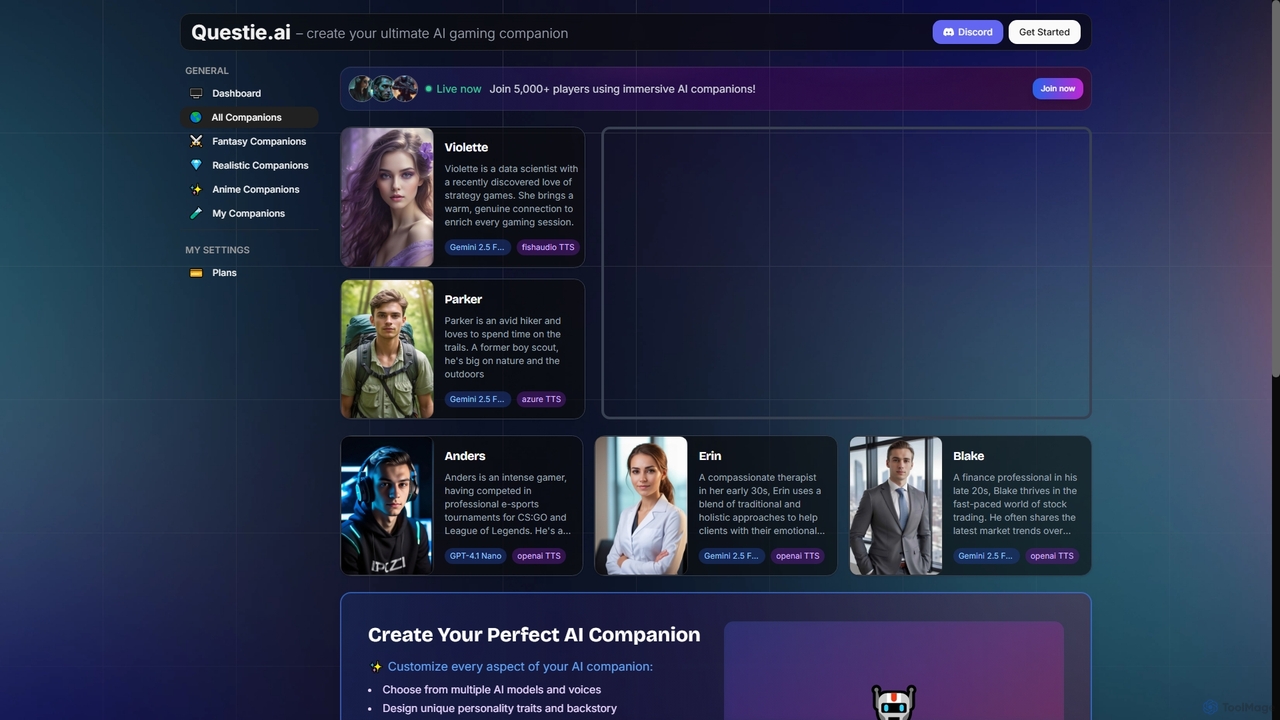
Questie is an innovative AI companion platform designed to revolutionize gaming and roleplay experiences. It offers immersive AI …

73.9K
AI Story

AI Story

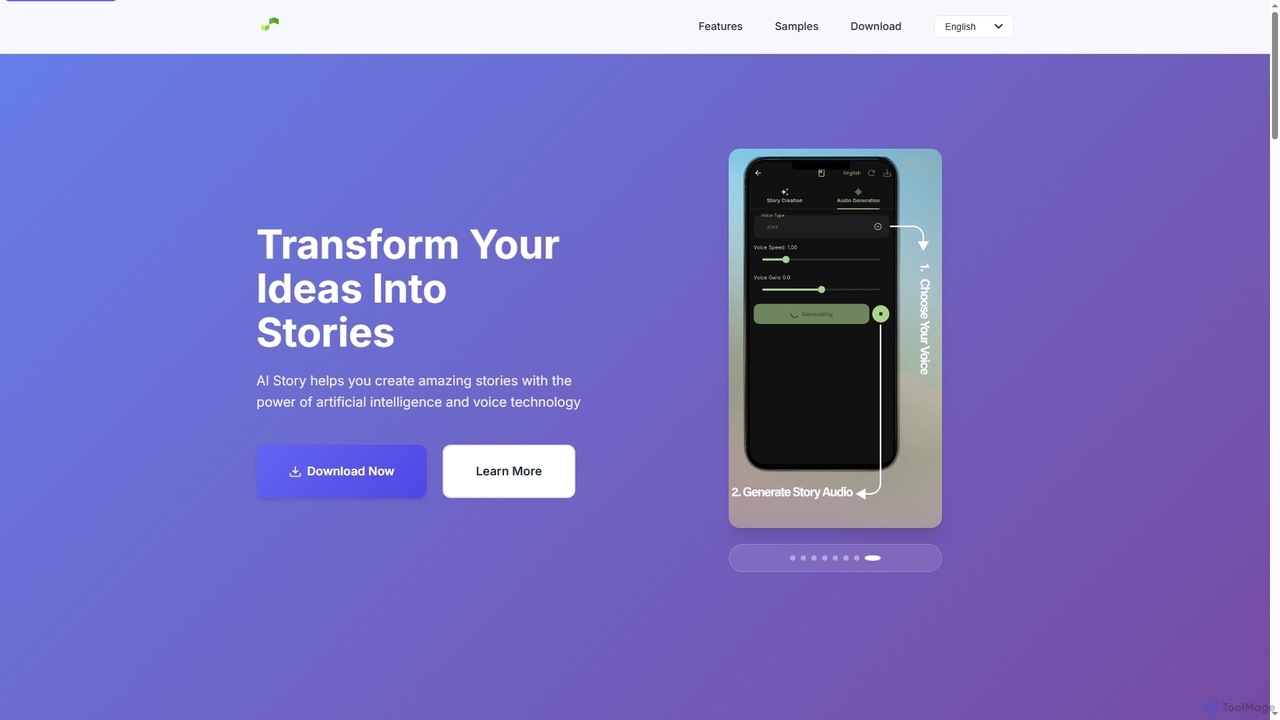
AI Story is an innovative mobile application that leverages artificial intelligence and voice technology to help users transform …

3.1K
GPT Games

GPT Games

An innovative platform for playing and creating text-based games powered by AI. Choose from a library of existing …

3.0K
Death by AI

Death by AI

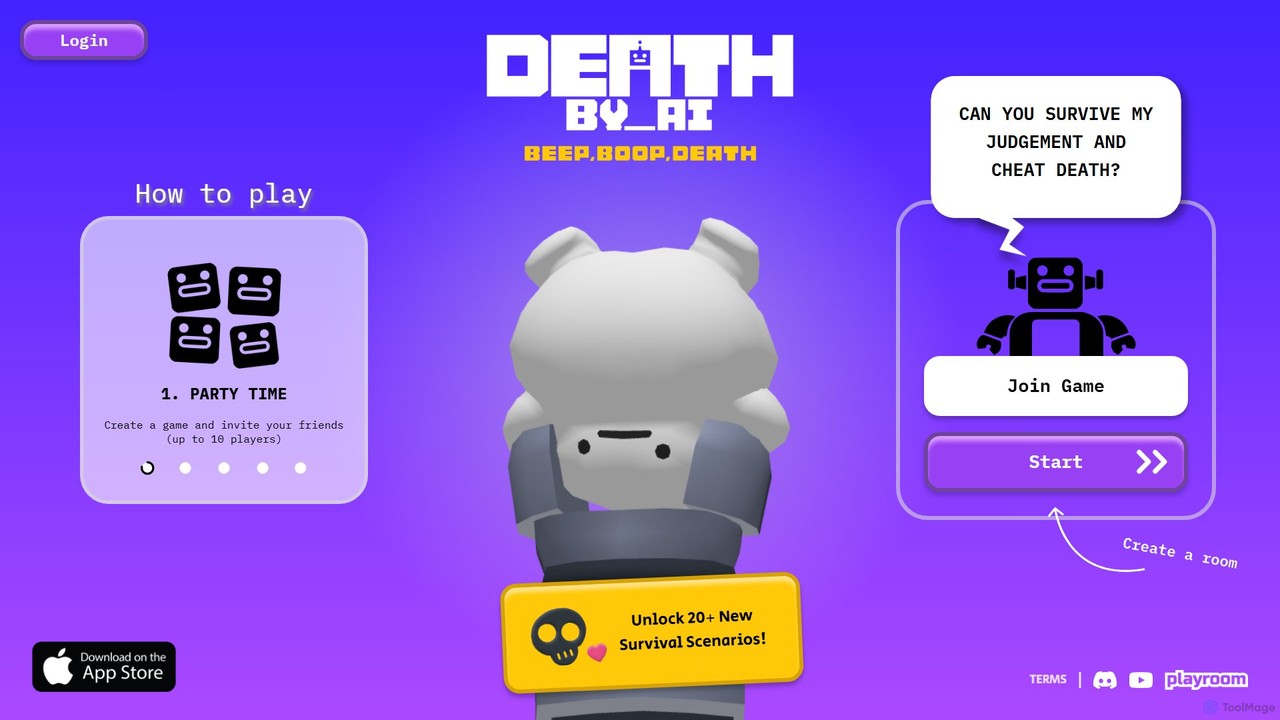
Death by AI is a hilarious and creative AI-powered party game. Invite friends, face deadly scenarios, and devise …

84.7K

About Interactive Storytelling

Interactive Storytelling tools are a class of AI applications designed to generate dynamic, choice-driven narratives. They utilize advanced natural language generation (NLG) and processing models to create plots, characters, and dialogues that adapt in real-time to user input. This enables the creation of deeply personal and replayable experiences where the user is a co-author of the story. Unlike traditional linear media, these tools empower creators to build complex branching narratives and emergent story worlds with greater efficiency.

Core Features

  • Dynamic Narrative Generation: Automatically creates branching plotlines and story events based on user choices.
  • AI-Powered Character Engine: Develops characters with consistent personalities and memories who react realistically to the user.
  • User Input Integration: Processes natural language, button choices, or other inputs to influence the story's direction.
  • World State Management: Tracks changes in the story world, ensuring long-term consequences for user actions.

Use Cases

These tools are primarily used in the gaming industry to create responsive non-player characters (NPCs) and procedural quests. They are also valuable in education for building immersive learning simulations, in marketing for creating engaging brand experiences, and for authors exploring non-linear fiction.

How to Choose

When selecting a tool, consider the complexity of the narrative logic it supports, its integration capabilities with game engines like Unity or Unreal, the quality and coherence of its AI-generated text, and whether it offers a user-friendly interface for writers without coding skills.

Interactive StorytellingUse Cases

1

Creating Dynamic NPC Dialogues for Games

Game writers and narrative designers use Interactive Storytelling tools to move beyond pre-scripted dialogue trees. By defining a character's personality, background, and goals, the AI can generate thousands of unique lines of conversation that react dynamically to the player's actions and the current game state. This results in more believable and immersive worlds, where NPCs feel like living entities rather than simple information dispensers, significantly enhancing player engagement and replayability.

2

Developing Interactive Educational Scenarios

Educators and instructional designers leverage these tools to build engaging learning modules. For instance, a history student could interact with an AI simulation of a historical figure, asking questions and making decisions that alter the outcome of a simulated event. This active participation method improves knowledge retention and critical thinking skills compared to passive reading. The AI can adapt the difficulty and content based on the student's responses, creating a personalized learning path.

3

Building Immersive Brand Storytelling Campaigns

Marketing professionals can create unique, choice-driven advertisements and brand experiences. A user might interact with a story on a brand's website, making choices that lead to different product discoveries or story endings. This transforms passive ad consumption into an active, memorable engagement. The data from user choices can also provide valuable insights into customer preferences and decision-making processes, helping to refine future marketing strategies.

4

Co-Authoring Branching Novels and Fiction

Authors and creative writers use these tools as collaborative partners to explore complex, non-linear story structures. Instead of manually mapping out every possible branch, a writer can set up the initial premise and characters, then let the AI generate potential plot twists and outcomes based on different decision points. This accelerates the creative process, helps overcome writer's block, and allows for the creation of intricate 'choose-your-own-adventure' style digital books.

5

Simulating Complex Professional Training

Corporate trainers and organizations in high-stakes fields like medicine or law use AI to create realistic decision-making simulations. A medical trainee could interact with an AI patient, diagnosing symptoms and choosing treatments while the AI provides realistic responses and consequences. This provides a safe environment to practice critical skills, receive immediate feedback, and experience the impact of different choices without real-world risk.

6

Generating Personalized Bedtime Stories

Parents and content creators can use these tools to generate unique stories for children. By providing inputs like the child's name, favorite animal, and a desired moral, the AI crafts a new, interactive adventure every night. The child can make choices within the story, such as which path to take or how to solve a problem, making them the hero of their own tale and fostering a love for reading and creativity.

Interactive StorytellingFrequently Asked Questions