
afri.studio
afri.studio is an AI-powered creative platform dedicated to generating unique art, patterns, and designs inspired by the diverse …
afri.studio is an AI-powered creative platform dedicated to generating unique art, patterns, and designs inspired by the diverse and rich cultural heritage of Africa. It empowers designers, artists, and brands to create authentic, culturally-rich visuals with ease, from intricate textile patterns to modern brand identities.
wowpatterns
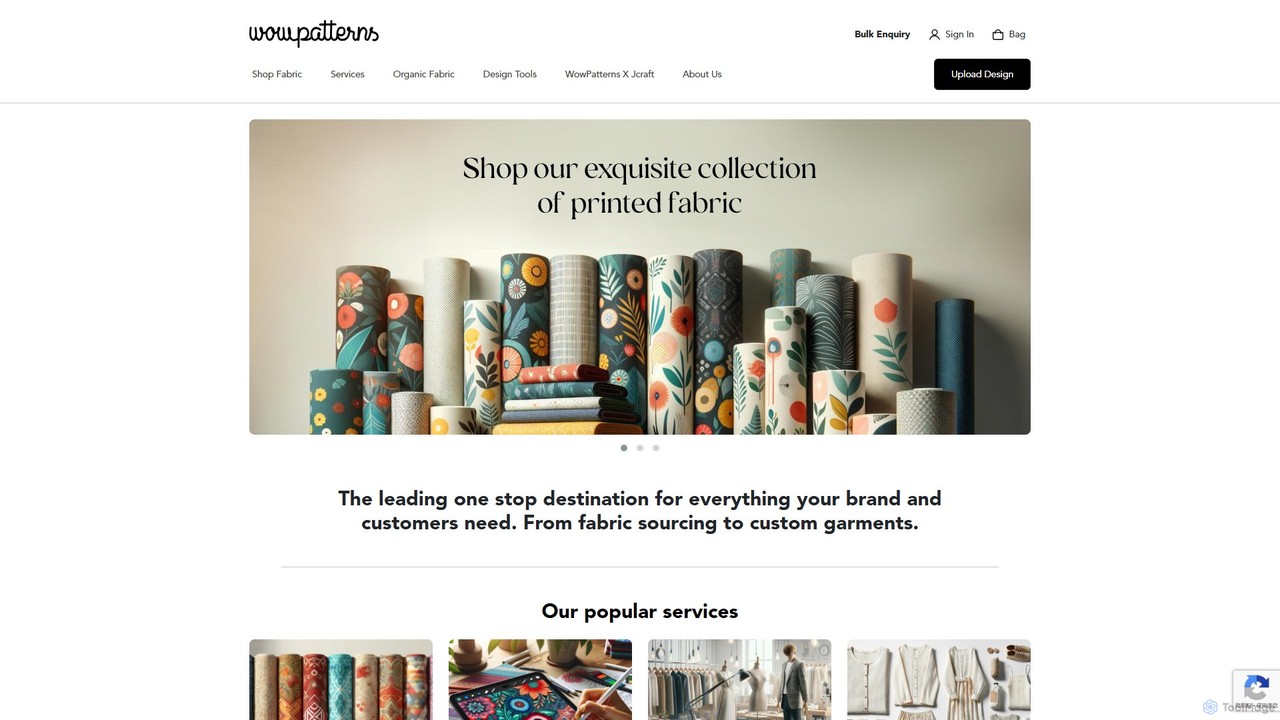
WowPatterns is an all-in-one platform for fashion and design, blending AI-powered pattern generation with premium fabric printing and …
WowPatterns is an all-in-one platform for fashion and design, blending AI-powered pattern generation with premium fabric printing and manufacturing services. Use its AI tools to create unique, seamless patterns from text prompts or images in seconds. It's the perfect solution for designers, artists, and brands looking to streamline their creative process from digital design to physical product, with a strong focus on sustainability.
MYTH AI
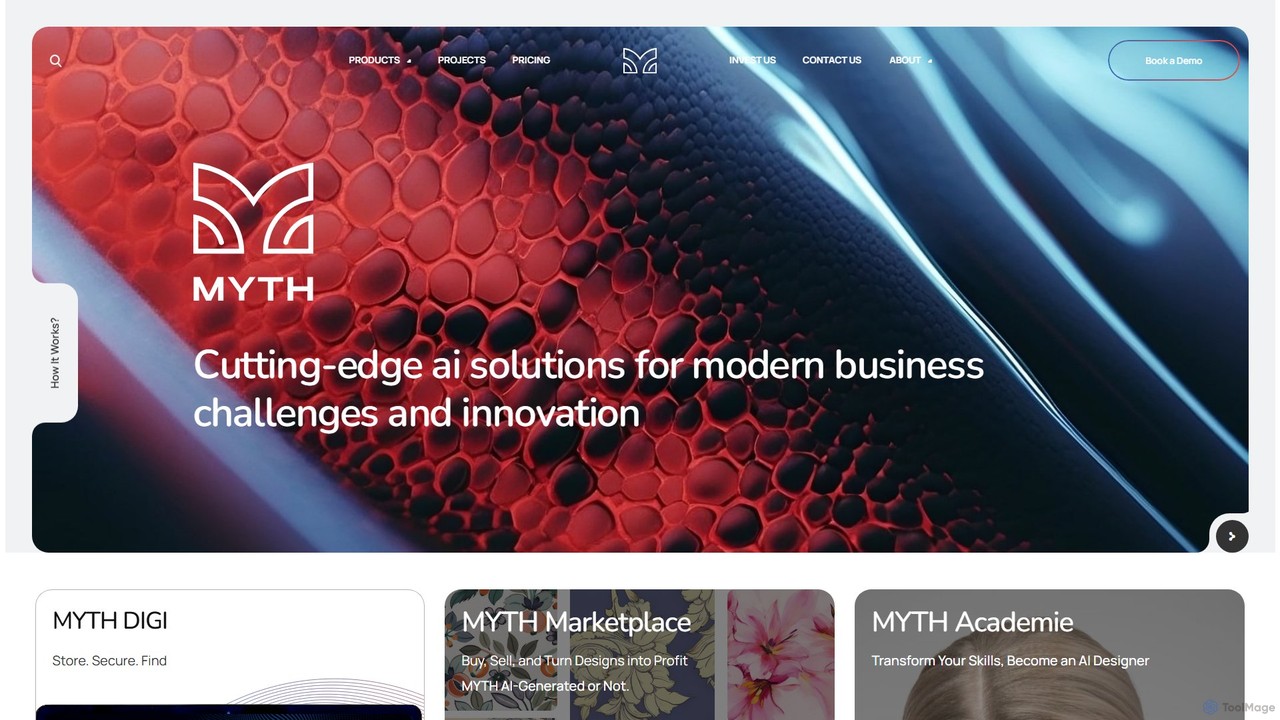
MYTH AI is a professional AI platform for generating unique, seamless patterns and designs. Specializing in textile, fashion, …
MYTH AI is a professional AI platform for generating unique, seamless patterns and designs. Specializing in textile, fashion, and industrial design, it offers AI-driven color separation, blockchain-certified uniqueness, and customizable mockups to accelerate the creative process and ensure commercial viability.
PatternMakerAI
PatternMakerAI is an advanced AI-powered design tool that enables users to generate unique, seamless, and customizable patterns for …
PatternMakerAI is an advanced AI-powered design tool that enables users to generate unique, seamless, and customizable patterns for textiles, graphic design, and digital art. Simply describe your desired style, and the AI will create high-resolution patterns in seconds, streamlining the creative process for designers and artists.
About Textile Design
AI Textile Design tools are specialized applications that use generative algorithms to create unique, seamless patterns for fabrics and surfaces. These tools leverage deep learning models to translate text prompts or style images into intricate, tileable designs, automating a traditionally labor-intensive process. They empower designers in fashion and home decor to rapidly explore countless creative possibilities, generate production-ready assets, and visualize patterns on virtual products. This technology significantly accelerates the design-to-production workflow.
Core Features
- Seamless Pattern Generation: Automatically creates designs that can be tiled infinitely without visible seams, essential for fabric printing.
- Colorway Variation: Instantly generates multiple color palettes for a single pattern, facilitating rapid testing and collection development.
- Style-Based Generation: Produces patterns based on text descriptions or existing images to match a specific aesthetic.
- Texture Simulation: Renders realistic fabric textures like knit, weave, or embroidery, providing a preview of the final material.
- 3D Draping Simulation: Visualizes how a pattern will look on a 3D model of a garment or object, aiding in design validation.
Use Cases
These tools are primarily used by fashion designers, textile artists, and home decor brands to create original prints for clothing, upholstery, and wallpaper. They are also valuable for game developers and 3D artists needing realistic fabric textures for digital environments, as well as for print-on-demand businesses seeking to generate a large volume of unique designs.
How to Choose
When selecting an AI Textile Design tool, consider the quality and control of its seamless pattern generation. Evaluate the output resolution and supported file formats (e.g., PNG, TIFF) for print readiness. Assess its integration capabilities with standard design software like Adobe Photoshop or Illustrator. Finally, review the licensing terms to ensure you have the rights for commercial use of the generated designs.
Textile DesignUse Cases
Rapid Print Creation for Fashion Collections
A fashion designer preparing for a new season can use AI to generate hundreds of unique floral and geometric patterns based on a mood board. By inputting prompts like 'vintage botanical print with a dark academia color palette,' they can quickly visualize options, create multiple colorways for each, and select the final designs for sample production, reducing the initial design phase from weeks to days.
Custom Wallpaper and Upholstery Design
An interior designer working on a bespoke hotel project needs custom patterns for wallpaper and furniture. Using an AI tool, they can upload images of the room's decor and generate complementary patterns that match the existing style and color scheme. This allows for the creation of truly unique, site-specific textiles that enhance the overall design concept.
Generating Unique Designs for Print-on-Demand
An entrepreneur running a print-on-demand store for items like phone cases and apparel needs a constant stream of fresh designs. AI textile design tools enable them to generate vast libraries of unique, commercially licensed patterns by simply varying text prompts. This automates content creation and allows them to cater to niche trends quickly without manual design work.
Creating Realistic Textures for 3D Models
A 3D artist or game developer creating a character model needs realistic fabric textures for clothing. They can use AI to generate high-resolution, seamless textures for materials like worn denim, silk brocade, or chunky wool knits. This adds a high level of detail and realism to the final render without needing to manually photograph or paint textures from scratch.
Digital Fabric Prototyping and Sampling
A textile mill wants to present new pattern concepts to clients without the cost of physical weaving. They use AI to generate digital fabric swatches and apply them to 3D product models. This allows clients to review and approve designs virtually, significantly cutting down on material waste and the time required for physical sample production.
Personalized Fabric Design for Hobbyists
A sewing enthusiast or crafter wants to create a one-of-a-kind fabric for a personal project. They can use an accessible AI pattern generator to bring their idea to life, such as a pattern featuring their pet in a pop-art style. They can then order the custom-printed fabric from a service for their unique creation, making personalized fashion and decor more accessible than ever.