Fashion Best in category 1 results Virtual Models AI Tool

Popular AI tools in the Virtual Models field of Fashion include Botika, etc., helping you quickly improve efficiency.

Botika

Botika

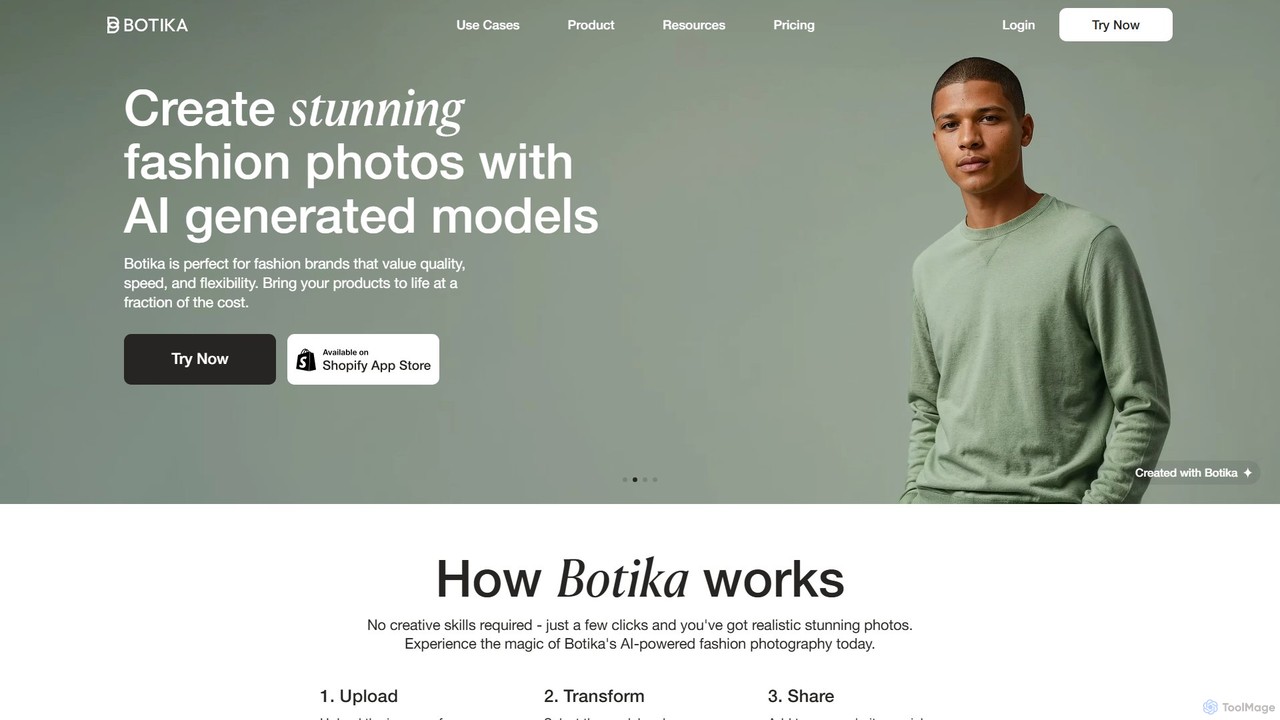
Botika is a generative AI platform for the fashion industry, transforming product photos into high-quality, on-model images. Using …

5.3K

About Virtual Models

Virtual Models are AI-powered tools that generate realistic, computer-generated human figures for use in visual content, primarily within the fashion and e-commerce industries. These tools leverage advanced generative AI, such as Generative Adversarial Networks (GANs), to create customizable and lifelike models from text prompts or attribute selections. The primary value of Virtual Models lies in their ability to streamline content creation, reduce the high costs associated with traditional photoshoots, and enable brands to showcase products on a diverse range of body types and ethnicities on-demand. This technology offers unparalleled flexibility for marketing, product visualization, and virtual try-on experiences.

Core Features

  • Hyper-Realistic Model Generation: Create photorealistic human models with detailed control over facial features, body type, age, ethnicity, and hair style.
  • Customizable Posing and Staging: Position models in various poses, change backgrounds, and adjust lighting to fit specific campaign aesthetics without a physical studio.
  • AI Garment Draping: Automatically and realistically fit digital clothing onto the generated models, simulating how fabric hangs and folds on the human form.
  • On-Demand Content Creation: Instantly generate hundreds of unique model images for product listings or marketing campaigns, drastically reducing production time.

Use Cases

Virtual Models are predominantly used by e-commerce fashion brands, marketing agencies, and apparel designers. Common applications include creating product imagery for online stores, generating diverse and inclusive ad creatives for social media campaigns, and visualizing clothing designs on various body shapes before physical prototyping. They are also foundational for developing virtual try-on solutions.

How to Choose

When selecting a Virtual Model tool, consider the level of realism and image quality required for your brand. Evaluate the depth of customization options—can you create models that align with your target audience? Also, assess the ease of use, the variety of available poses and clothing templates, and the pricing model (e.g., pay-per-image vs. subscription). For e-commerce, check for integrations with platforms like Shopify.

Virtual ModelsUse Cases

1

Generate E-commerce Product Listings

An owner of a small online fashion boutique needs to upload a new collection of 50 items. Instead of hiring models, a photographer, and renting a studio, they use a virtual model tool. They upload flat images of their clothing, and the AI drapes them onto various AI-generated models. They can select models of different ethnicities, sizes, and styles to match their brand's inclusive message. Within a few hours, they generate over 200 high-quality, on-model product photos, ready for their Shopify store, saving thousands of dollars and weeks of production time.

2

Create Diverse Social Media Ad Campaigns

A marketing agency is running a campaign for a global fashion brand. To maximize engagement across different regions, they need ad creatives featuring models that resonate with local audiences. Using a virtual model generator, the creative team produces dozens of ad variations. They create campaigns for North America with a diverse cast of models, for East Asia with local-looking models, and for Europe with corresponding styles. This allows for hyper-targeted A/B testing of ad visuals, optimizing ad spend and increasing conversion rates without the logistical complexity of coordinating international photoshoots.

3

Visualize Fashion Designs Before Prototyping

A fashion designer has conceptualized a new dress design but wants to see how it looks on different body types before creating expensive physical samples. They use a virtual model tool to generate models with specific body measurements (e.g., petite, plus-size, tall). They then upload their digital pattern or sketch, and the AI simulates the dress on each model. This process allows the designer to quickly identify potential fitting issues, experiment with color variations, and refine the design digitally. It significantly shortens the design-to-sample pipeline and reduces material waste.

4

Power a Virtual Try-On Feature

A large online retailer wants to reduce return rates by helping customers visualize clothing on themselves. They integrate a virtual model API into their e-commerce site. When a customer visits a product page, they can input their body measurements or choose a pre-set body type. The system then generates a personalized virtual model and drapes the selected garment onto it. This provides a realistic preview of how the item might fit, improving shopper confidence and leading to a measurable decrease in returns due to sizing issues.

5

Create a Consistent Virtual Influencer

A beauty brand wants to build a unique presence on Instagram without relying on human influencers. They use a virtual model tool to design a distinctive digital character to act as their brand ambassador. The marketing team can generate an endless stream of content featuring this 'virtual influencer' in different locations, wearing various makeup looks, and interacting with products. This approach gives the brand complete control over their messaging and image, ensures consistent content quality, and avoids the potential risks and high costs associated with human influencer collaborations.

6

Generate Inclusive and Diverse Marketing Materials

A global apparel company is launching a campaign focused on body positivity and inclusivity. To genuinely reflect this message, they need visuals featuring models of all shapes, sizes, ages, and abilities. Coordinating such a large and diverse photoshoot would be logistically challenging and expensive. Instead, they use an AI model generator to create a wide array of virtual models that represent their entire customer base. This allows them to produce a rich library of marketing assets that are truly inclusive, reinforcing their brand values and resonating more deeply with a broader audience.

Virtual ModelsFrequently Asked Questions