
Finance Best in category 1 results Compensation Management AI Tool

Popular AI tools in the Compensation Management field of Finance include CaptivateIQ, etc., helping you quickly improve efficiency.

CaptivateIQ

CaptivateIQ

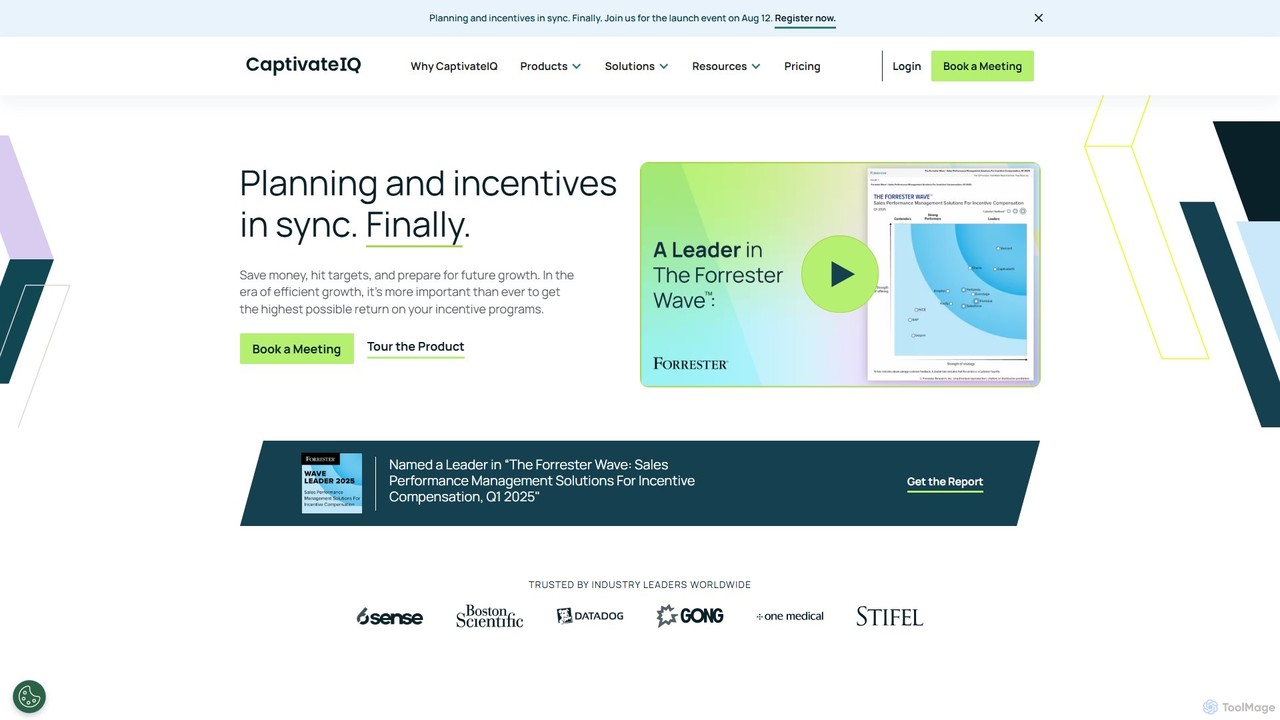
CaptivateIQ is an AI-powered, no-code platform for automating sales commission and incentive management. It helps businesses streamline complex …

159.1K

About Compensation Management

AI Compensation Management tools are specialized platforms that automate and optimize the process of designing, managing, and analyzing employee pay structures. Leveraging data analytics and machine learning, these tools analyze internal pay data against external market benchmarks to ensure competitiveness and internal equity. They are essential for HR departments and leadership to make data-driven decisions on salaries, bonuses, and incentives, streamlining complex merit cycles. Unlike general finance or HRIS systems, these tools provide deep analytical capabilities specifically for strategic rewards planning and pay equity auditing.

Core Features

  • Salary Benchmarking: Integrates with market data to compare compensation plans against industry and geographical standards.
  • Pay Equity Analysis: Uses statistical models to identify and help correct gender, race, or role-based pay gaps.
  • Incentive & Bonus Planning: Automates the design and calculation of variable pay programs, from sales commissions to annual bonuses.
  • Merit Cycle Management: Streamlines the entire salary review process, from budget allocation to manager recommendations and approvals.
  • Total Rewards Statements: Generates personalized reports for employees, visualizing the full value of their compensation package beyond salary.

Use Cases

These tools are primarily used by compensation analysts, HR managers, and finance leaders in mid-to-large enterprises. They are critical in competitive industries like technology, finance, and professional services where attracting and retaining talent through fair and strategic compensation is paramount for business success.

How to Choose

When selecting a tool, evaluate the quality and breadth of its market data sources. Assess its ability to integrate with your existing HRIS and payroll systems. Also, consider the flexibility of its modeling and reporting tools, and its specific features for ensuring compliance with pay transparency laws.

Compensation ManagementUse Cases

1

Automating the Annual Merit Increase Cycle

An HR manager at a 1000-employee tech company uses a compensation management tool to manage the annual salary review. The tool imports employee performance data from the HRIS, applies the pre-approved budget matrix, and provides managers with a guided interface to recommend increases. This eliminates spreadsheet errors, ensures consistency across departments, and reduces the entire cycle time from six weeks to just two, freeing up HR and managers to focus on strategic conversations.

2

Conducting a Proactive Pay Equity Audit

A compensation analyst at a financial services firm needs to ensure fair pay practices. Using an AI tool, they run a regression analysis on salary data, controlling for legitimate factors like role, experience, and performance. The system flags statistically significant pay gaps linked to gender or ethnicity, allowing the company to make targeted adjustments before they become legal or reputational risks. This proactive approach helps maintain a fair workplace and strengthens the company's employer brand.

3

Designing a New Sales Commission Plan

A sales operations leader is tasked with creating a more effective commission structure. They use a compensation management platform to model different scenarios, such as tiered rates, accelerators for over-performance, and MBOs. The tool visualizes the potential payout distribution and total cost for each model, helping them select a plan that motivates top performers and aligns with company revenue goals without risking overpayment.

4

Benchmarking Executive Compensation Packages

The board's compensation committee needs to set the CEO's pay package. They use a specialized tool that pulls data from public filings and exclusive surveys. The platform allows them to create a peer group of comparable companies and benchmark base salary, short-term incentives, and long-term equity grants. This ensures the package is competitive enough to retain top leadership, yet defensible to shareholders and regulators by being grounded in market data.

5

Generating Total Rewards Statements for Employees

To improve employee retention, a company wants to better communicate the value of its benefits. The compensation tool connects to HRIS and benefits provider data to generate personalized, interactive Total Rewards Statements. Each employee can see a clear breakdown of their salary, bonus potential, equity value, health insurance contributions, and retirement plan matching. This visualization increases their appreciation of the overall package and strengthens loyalty.

6

Managing Complex Global Compensation Plans

A multinational corporation operates in 20 different countries. A global rewards manager uses a compensation management system to handle diverse salary structures, currencies, and local market data. The platform centralizes all planning, applies country-specific cost-of-living adjustments, and ensures that merit budgets are allocated fairly across different regions. This provides a single source of truth and simplifies a previously chaotic process managed across dozens of spreadsheets.

Compensation ManagementFrequently Asked Questions