Crypto AI tools are sophisticated, AI-powered applications specifically engineered to navigate, analyze, and automate complex tasks within the dynamic cryptocurrency and blockchain ecosystem. These innovative tools harness the power of machine learning, natural language processing, and advanced algorithms to process and interpret vast quantities of real-time market data, social sentiment across platforms, and intricate on-chain metrics. Their primary purpose is to empower a diverse range of users, from individual traders and institutional investors to blockchain developers and financial analysts, by enabling more informed decision-making, optimizing trading and investment strategies, and streamlining the management of digital assets. By offering unparalleled real-time insights, predictive analytics, and robust automation capabilities, Crypto AI tools provide a significant edge that traditional human analysis alone often struggles to achieve in this rapidly evolving and volatile environment.
Core Features
- Market Prediction & Analysis: These tools employ advanced AI models to forecast cryptocurrency price movements, identify emerging market trends, and analyze sentiment from news, social media, and forums. This comprehensive analysis helps users anticipate market shifts and make data-driven trading and investment decisions.
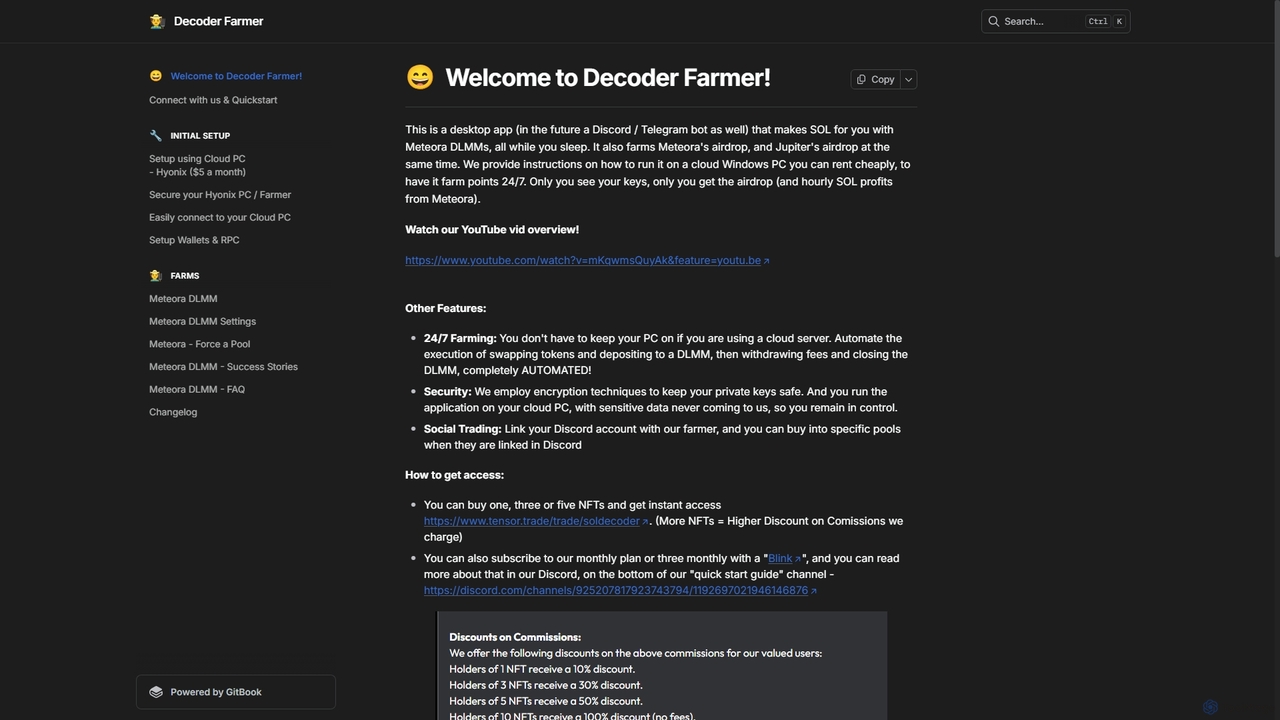
- Automated Trading Bots: AI-driven trading bots execute trades automatically based on predefined strategies, technical indicators, and real-time market data. They can operate 24/7, capitalizing on opportunities and managing risk with precision, often outperforming manual execution in speed and consistency.
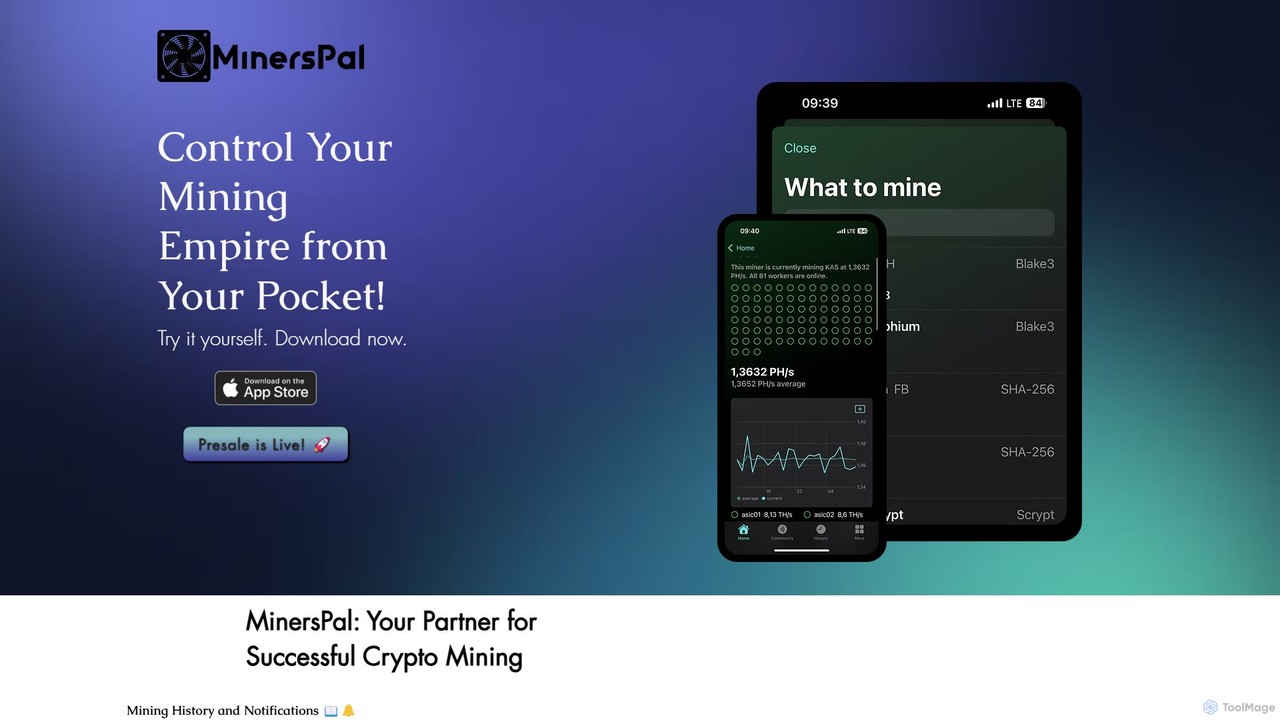
- Portfolio Management & Optimization: Crypto AI tools offer intelligent solutions for tracking digital asset performance, automatically rebalancing portfolios according to market conditions and user-defined risk tolerance, and suggesting optimal asset allocation strategies to maximize returns and mitigate potential losses.
- Blockchain Data Analytics: Leveraging AI, these platforms can extract, process, and interpret complex on-chain data, such as transaction volumes, whale movements, and smart contract interactions. This deep dive into blockchain data helps uncover hidden patterns, identify anomalies, and reveal unique investment opportunities.
- Security & Fraud Detection: Within the decentralized finance (DeFi) and broader crypto space, AI tools play a crucial role in monitoring transactions and network activity for suspicious patterns indicative of fraud, hacks, or money laundering. They enhance the overall security posture of digital assets and platforms.
Applicable Scenarios
Individual crypto traders and day traders extensively use AI bots for automated high-frequency trading, leveraging real-time market insights to execute rapid buy/sell orders and manage risk efficiently. Institutional investors and hedge funds deploy these tools for sophisticated predictive analytics, enabling large-scale portfolio optimization, strategic asset allocation, and compliance monitoring across diverse digital asset classes. Furthermore, blockchain developers and security auditors utilize AI-powered solutions for rigorous smart contract auditing, identifying vulnerabilities, detecting anomalies in network behavior, and ensuring the robust security of decentralized applications and protocols.
How to Choose
When selecting Crypto AI tools, several critical factors should guide your decision. Firstly, prioritize accuracy and reliability by thoroughly evaluating the historical performance, backtesting results, and transparency of the AI models' predictive capabilities and trading algorithms. Secondly, assess the feature set and customization options, ensuring the tool offers a comprehensive range of functionalities—from trading and analytics to portfolio management—and allows for flexible implementation of your specific strategies. Thirdly, security and compliance are paramount; investigate the platform's security infrastructure, data privacy policies, and adherence to relevant financial regulations, especially for tools managing actual assets. Lastly, consider the user interface and support, opting for platforms with intuitive designs, extensive documentation, and responsive customer service to ensure a smooth and effective user experience.