ToolMage
Sign in

Best 8 Financial Planning AI tools for Finance

Popular Financial Planning AI tools in Finance include Causal, Uprise, Abacum, Parthean, FlowCog, Startify, ai_daas, and yclens, helping you work more efficiently.

Uprise
Paid

Uprise

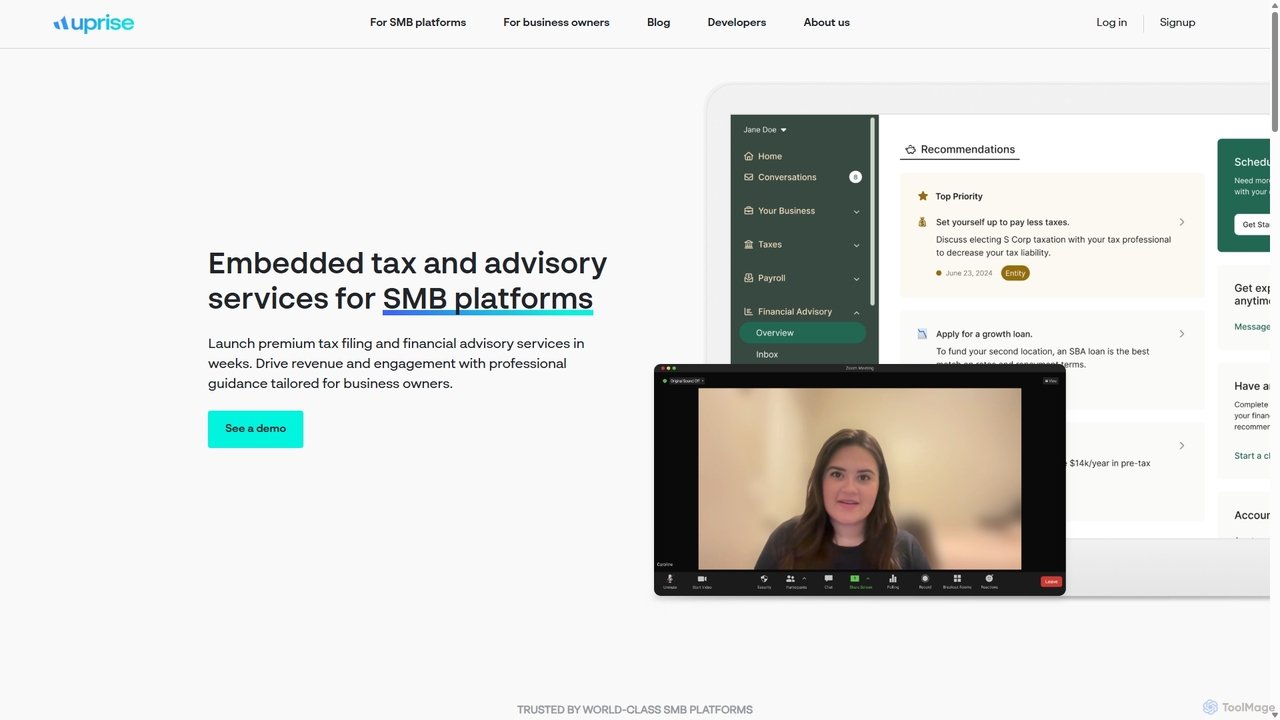
Uprise is an AI-powered financial services platform providing embedded tax and financial planning for small business owners (SMBs). It combines AI-generated insights with personalized guidance from Certified Financial Planners™ (CFP®) to offer a holistic approach that covers both business and personal finances, from tax filing to long-term investment strategies.

Financial Planning
Visits 18KFavorites 140Likes 141
Abacum
Paid

Abacum

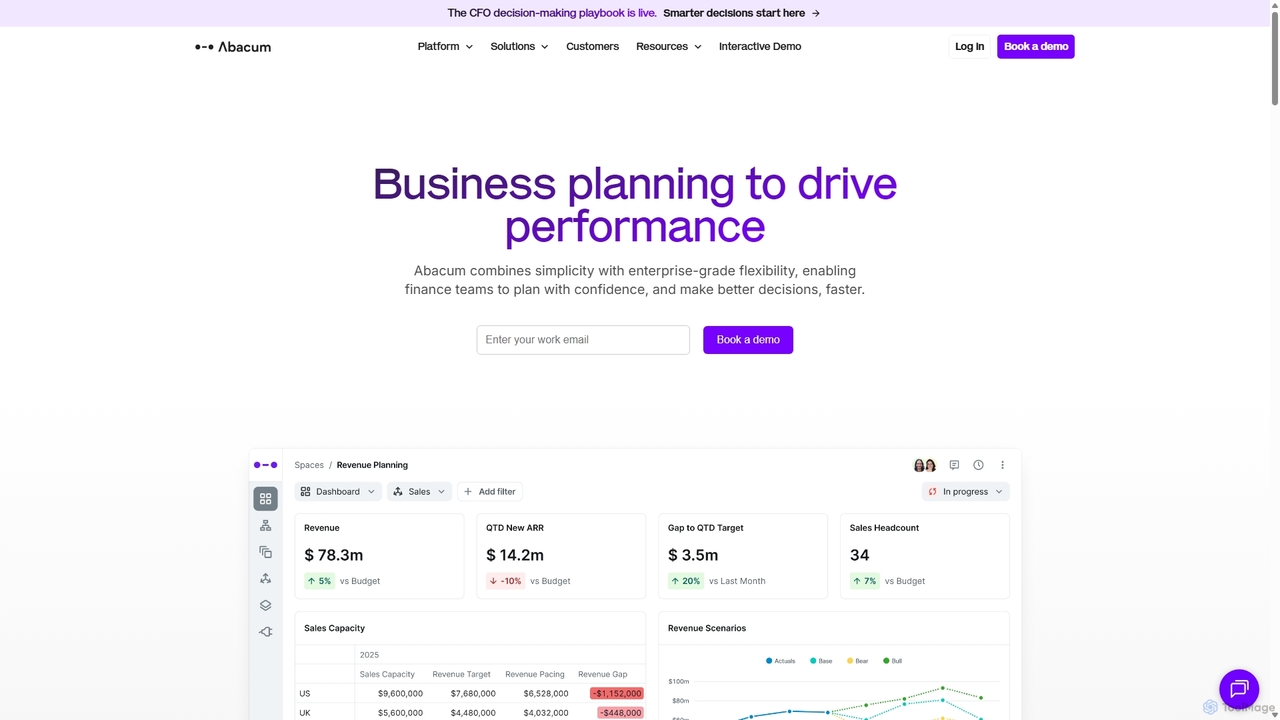
Abacum is an AI-powered Financial Planning & Analysis (FP&A) platform designed for modern finance teams. It automates budgeting, forecasting, and reporting by integrating with over 50 business systems to create a single source of truth. With features like AI-driven scenario planning and anomaly detection, Abacum transforms finance departments into strategic drivers of business growth, enabling faster, data-driven decisions.

Analytics
Visits 12.3KFavorites 173Likes 159
ai_daas
Paid

ai_daas

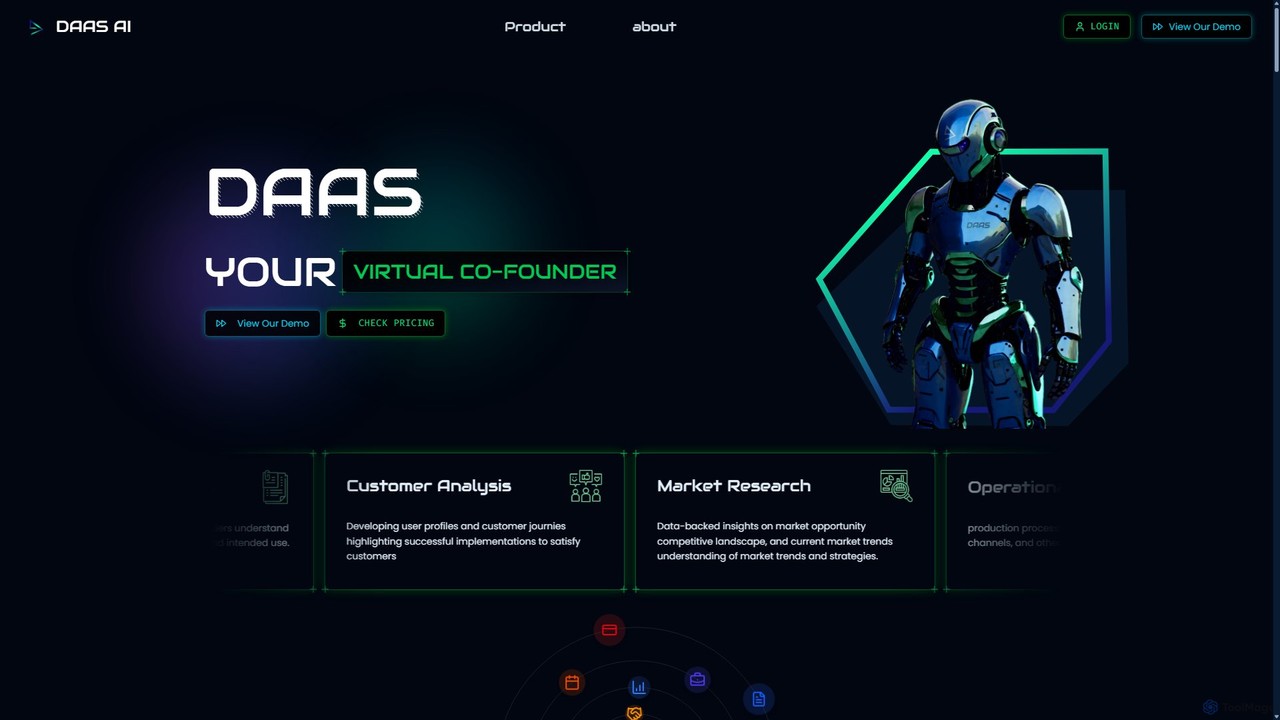
DAAS AI is a virtual co-founder platform that automates business planning, financial analysis, and strategic operations. It helps startups and businesses generate comprehensive business plans, financial models, pitch decks, and market research reports through an intuitive, conversational AI interface.

Startup Tools
Visits 5.8KFavorites 143Likes 156
FlowCog
Paid

FlowCog

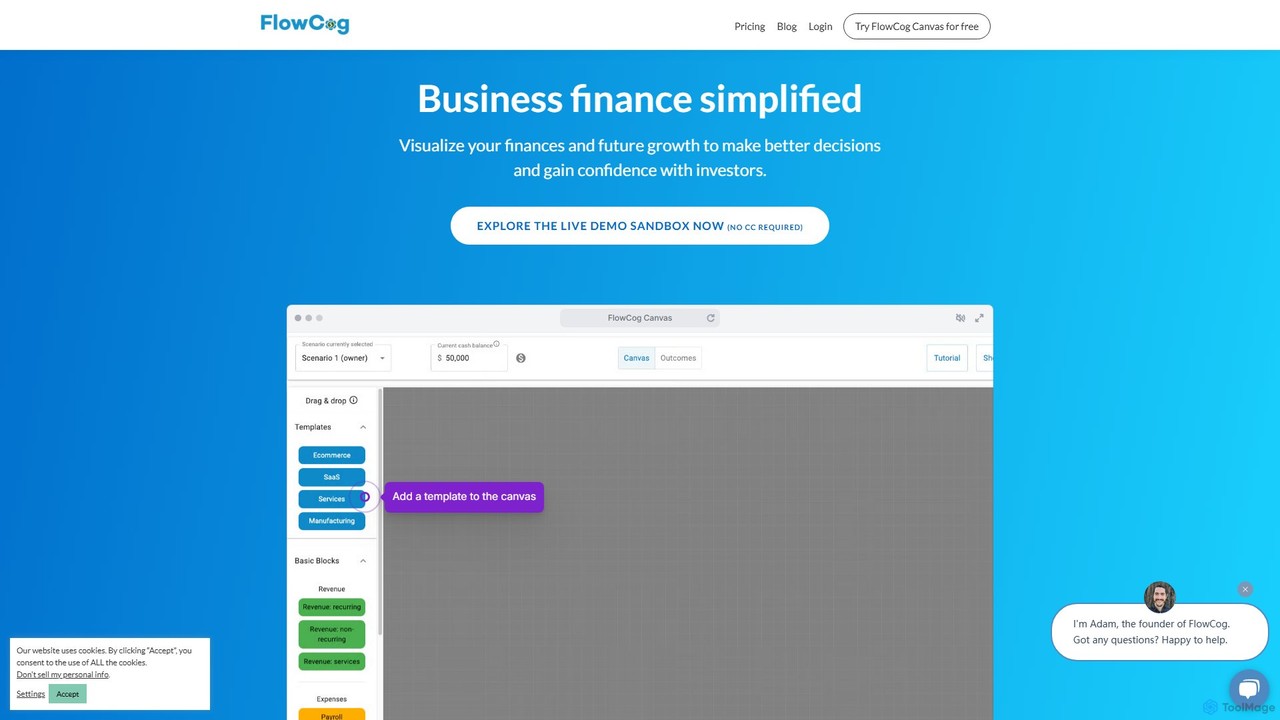
FlowCog is an AI-powered financial planning and analysis (FP&A) platform designed for startups and SaaS businesses. It simplifies complex financial tasks by automating cash flow forecasting, runway calculation, and scenario modeling, providing founders with the clarity needed for strategic decision-making.

Analytics
Visits 6.6KFavorites 111Likes 105
Causal
Paid

Causal

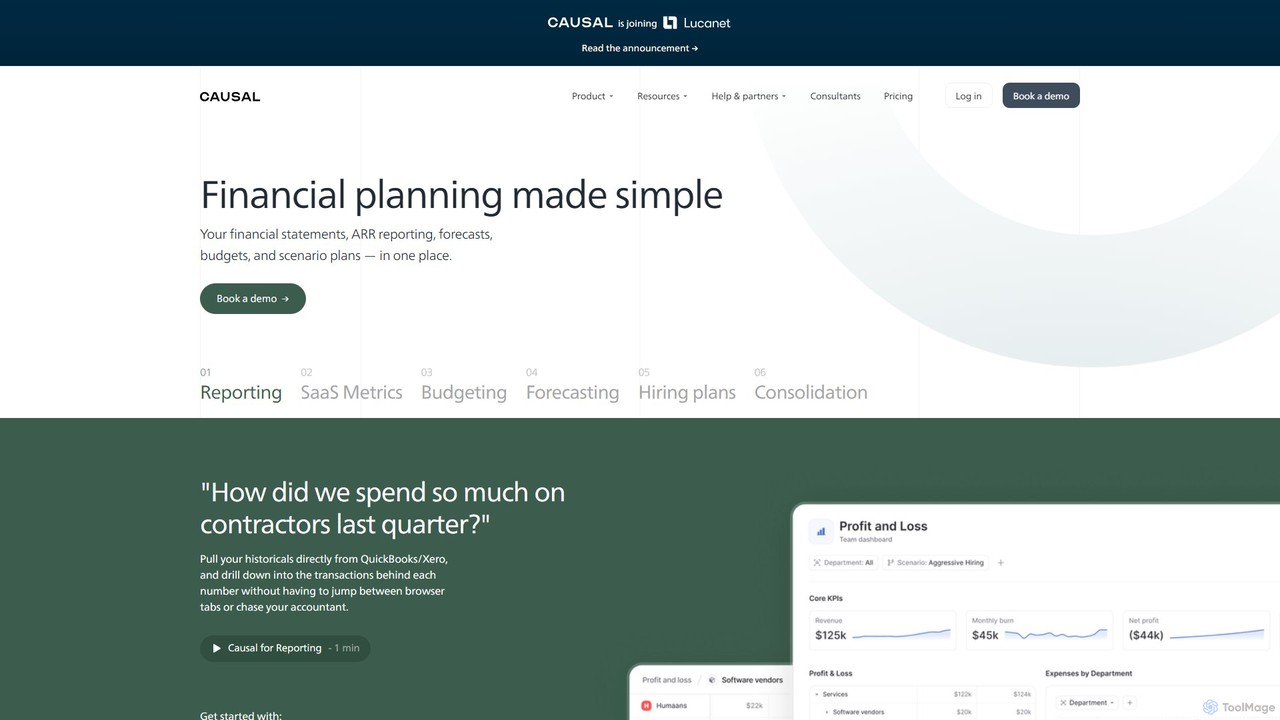
Causal is an AI-powered financial planning and analysis (FP&A) platform that replaces traditional spreadsheets. It helps businesses create dynamic financial models, forecasts, and reports by connecting to live data from various systems, using simple, human-readable formulas and enabling powerful scenario planning.

Data Analysis
Visits 33.5KFavorites 152Likes 143
Parthean
Paid

Parthean

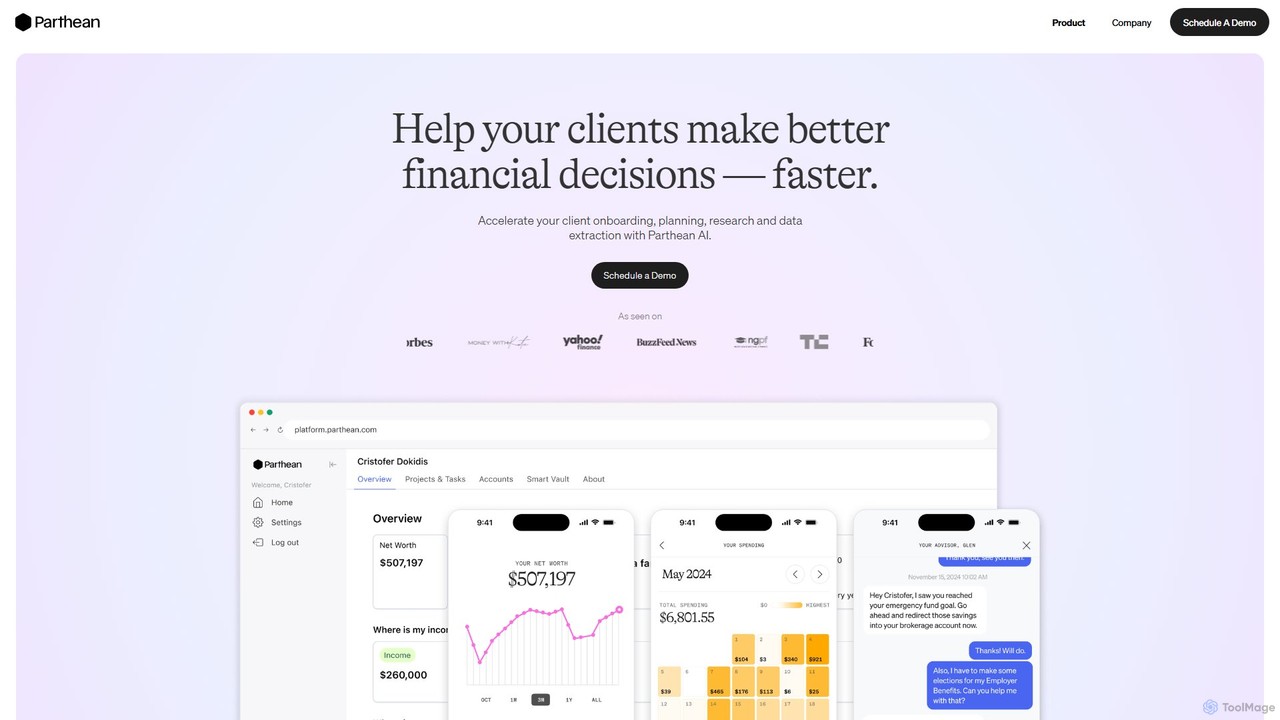
Parthean is an AI-enhanced financial planning platform designed for financial advisors. It accelerates client onboarding, planning, research, and data extraction, eliminating hours of manual work. The platform uses AI to automate document analysis and provides dedicated modules for comprehensive financial planning.

Client Management
Visits 8.6KFavorites 127Likes 131
Startify
Freemium

Startify

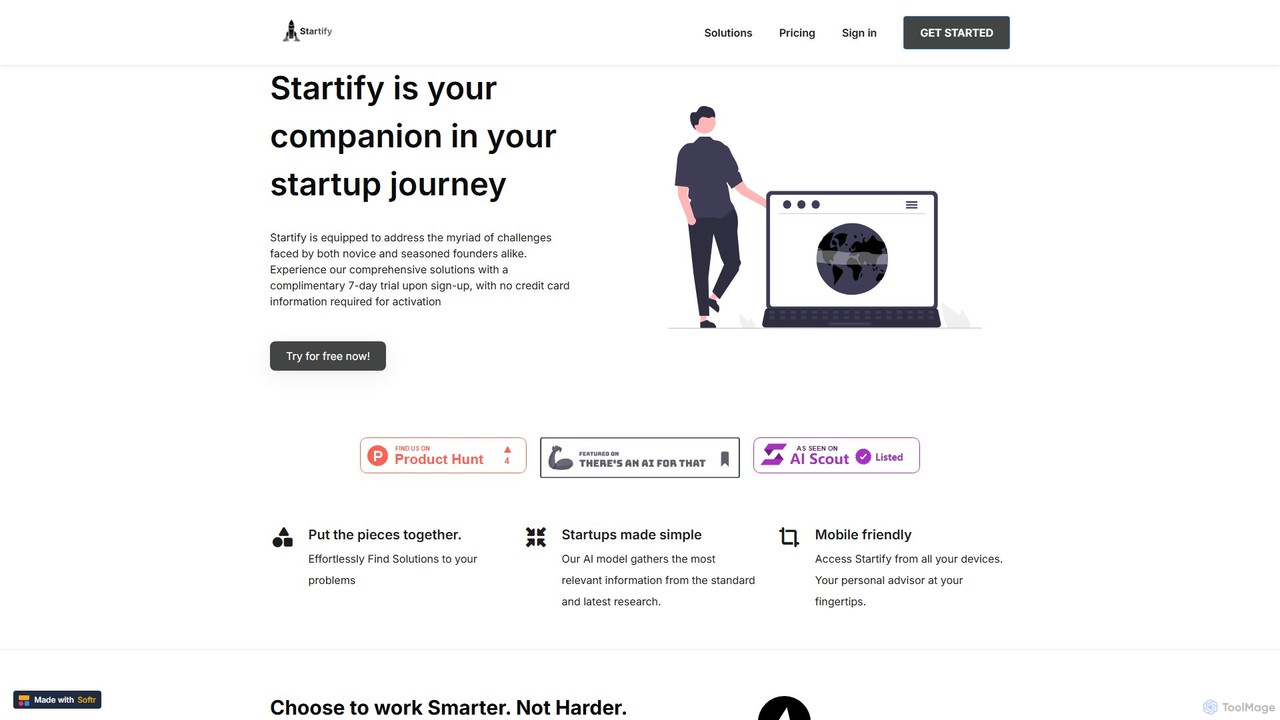
Startify is an AI-powered companion designed to guide entrepreneurs through their startup journey. It acts as a personal advisor, providing instant, data-driven insights and solutions to the complex challenges faced by founders. From idea validation to market strategy, Startify simplifies the process, saving time and resources.

Startup Tools
Visits 5.8KFavorites 133Likes 142
yclens
Freemium

yclens

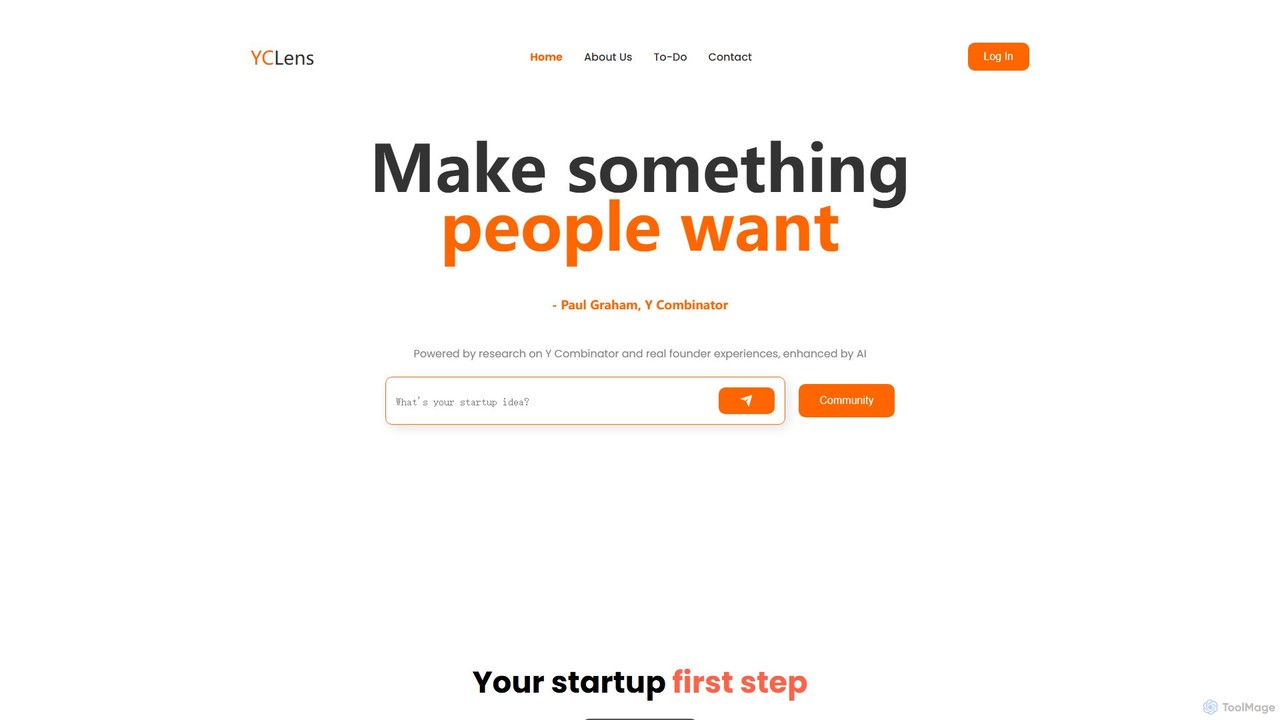
yclens is an AI-powered startup hub designed for entrepreneurs. It leverages insights from Y Combinator and real founder experiences to help you brainstorm, evaluate, and plan your startup idea, covering market research, profitability analysis, and business strategy.

Market Research
Visits 5.6KFavorites 140Likes 138

About Financial Planning

AI Financial Planning tools are intelligent applications that use machine learning to create personalized financial strategies and forecasts. They analyze income, expenses, investments, and market data to project financial health and identify opportunities for growth. These tools empower individuals and businesses to optimize budgets, plan for retirement, manage debt, and make informed investment decisions. Unlike traditional spreadsheets, they can simulate various economic scenarios and adapt recommendations in real-time based on changing data.

Core Features

  • Automated Budgeting & Expense Tracking: Automatically categorizes transactions from linked accounts to create dynamic budgets and identify spending patterns.
  • Goal-Based Forecasting: Simulates future wealth accumulation for specific goals like retirement, homeownership, or education based on savings rates and market projections.
  • Investment Portfolio Optimization: Recommends asset allocation strategies tailored to an individual's risk tolerance and financial objectives.
  • Debt Management Analysis: Analyzes various debts and suggests the most efficient repayment plans, such as the avalanche or snowball method.
  • Scenario Modeling: Allows users to see the financial impact of major life events, such as a career change or a large purchase, on their long-term plan.

Use Cases

These tools are widely used by individuals for personal finance management, from young professionals starting to save to those nearing retirement. Financial advisors also leverage them to create data-driven strategies for clients. Small business owners and freelancers find them valuable for cash flow forecasting and managing variable income streams.

How to Choose

When selecting an AI Financial Planning tool, consider its data integration capabilities, ensuring it securely connects to your banks and investment accounts. Evaluate the specificity of its goal-planning features and the sophistication of its forecasting models. Also, assess the user interface for ease of use and review the platform's security protocols and privacy policy to ensure your data is protected.

Financial Planning use cases

1

Crafting a Personalized Retirement Plan

A mid-career professional can link their 401(k), IRA, and savings accounts to an AI financial planning tool. The AI analyzes current savings, contribution rates, and market trends, then runs Monte Carlo simulations to project future portfolio value under various economic conditions. The tool provides a clear projection of retirement readiness, suggests specific adjustments to savings rates or asset allocation, and visualizes the long-term impact of these changes, transforming abstract goals into an actionable roadmap.

2

Optimizing a Household Budget for Savings

A family aiming to save for a down payment can use an AI tool to automatically categorize all transactions from linked bank and credit card accounts. The platform identifies spending patterns, highlights non-essential expenses like subscriptions or frequent dining out, and suggests realistic budget limits. This provides an actionable plan to increase monthly savings by a specific, targeted amount (e.g., 15%) without the tedious work of manual spreadsheet tracking, making financial discipline more attainable.

3

Developing an Intelligent Debt Repayment Strategy

An individual with multiple debts (student loans, credit cards) can input their balances and interest rates into an AI tool. The AI analyzes this data and compares different repayment strategies, such as the 'Avalanche' (highest interest first) and 'Snowball' (smallest balance first) methods. It then generates a step-by-step payment schedule, clearly showing the total interest saved and the projected debt-free date for each strategy. This empowers the user to choose the most effective path based on their financial and psychological preferences.

4

Aligning Investments with Financial Goals

A novice investor can use an AI planner to build a portfolio that matches their risk tolerance and goals. By answering a questionnaire about their financial situation, investment horizon, and comfort with risk, the AI recommends a diversified portfolio of ETFs or mutual funds. It provides specific asset allocation percentages (e.g., 60% stocks, 30% bonds, 10% alternatives) and can even automate rebalancing. This removes the guesswork and emotional bias from investing, providing a structured approach to long-term wealth building.

5

Simulating the Financial Impact of Major Life Events

A couple planning for the future can use a tool's scenario planning feature to model events like having a child or buying a new car. They input estimated costs (e.g., annual childcare, monthly car payments), and the AI recalculates their entire financial plan. It visualizes the new budget, adjusted savings trajectory, and updated retirement forecast. This allows them to see the long-term consequences of their decisions and make proactive adjustments, ensuring they stay on track with their primary financial goals.

6

Cash Flow Forecasting for Freelancers

A self-employed individual with variable income can use an AI tool to manage financial instability. By analyzing past income patterns, the tool forecasts future cash flow, helping to predict both high-earning and lean months. It can automatically suggest amounts to set aside for quarterly tax payments and create a 'salary' for the freelancer by smoothing out income. This provides crucial financial stability, ensuring there are enough funds for both business expenses and personal savings goals, even when client payments are irregular.

Financial Planning FAQ

What are AI Financial Planning tools?

AI Financial Planning tools are software applications that use artificial intelligence and machine learning to provide personalized financial guidance. Unlike simple budget trackers, they analyze a user's complete financial picture—including income, spending, debt, and investments—to create dynamic strategies. They can forecast future financial outcomes, recommend optimal investment allocations, and help users plan for major life goals like retirement or a home purchase in a data-driven way.

How to choose the right AI Financial Planning tool?

To choose the right tool, consider these key factors:

  • Connectivity: Ensure it securely connects to all your financial institutions, including banks, credit cards, and investment brokerages, for a holistic view.
  • Features: Look for specific features that match your goals, such as detailed retirement planning, debt repayment calculators, or investment analysis.
  • Security: Verify that the tool uses bank-level encryption (like 256-bit AES) and two-factor authentication to protect your sensitive data.
  • Cost and Value: Compare the subscription fee with the depth of analysis and features offered. Some tools offer free basic versions, which can be a good starting point.
What's the difference between AI Financial Planning tools and a human financial advisor?

The primary difference lies in accessibility, cost, and the nature of advice. AI tools offer data-driven, automated analysis 24/7 at a lower cost, excelling at complex calculations and scenario modeling. A human financial advisor provides personalized, holistic guidance that considers your unique life circumstances, emotional responses to market changes, and complex needs like estate planning. Many people use a hybrid approach: AI tools for day-to-day management and tracking, and a human advisor for major strategic decisions and long-term relationship-based guidance.

Are AI Financial Planning tools secure?

Reputable AI financial planning tools prioritize security to protect sensitive user data. They typically employ bank-level security measures, including 256-bit AES encryption for data in transit and at rest. Many also offer two-factor authentication (2FA) for an extra layer of account protection and use secure, read-only connections to your financial accounts. However, it is always crucial for users to review a platform's specific security protocols and privacy policy before linking their accounts.

Who can benefit most from AI Financial Planning tools?

A wide range of individuals can benefit, but they are particularly useful for:

  • DIY Investors: Those who prefer to manage their own finances and want data-driven insights to validate their strategies.
  • Young Professionals: Individuals starting their careers who need help with budgeting, debt management, and initiating long-term savings.
  • Families: Households looking to manage complex budgets, save for multiple goals simultaneously (e.g., college, retirement), and plan for the future.
  • Freelancers & Gig Workers: People with variable income who need tools for cash flow forecasting and tax planning.