ToolMage
Sign in

Best 1 Shopping AI tools for Finance

Popular Shopping AI tools in Finance include AutoEasy, helping you work more efficiently.

AutoEasy
Free

AutoEasy

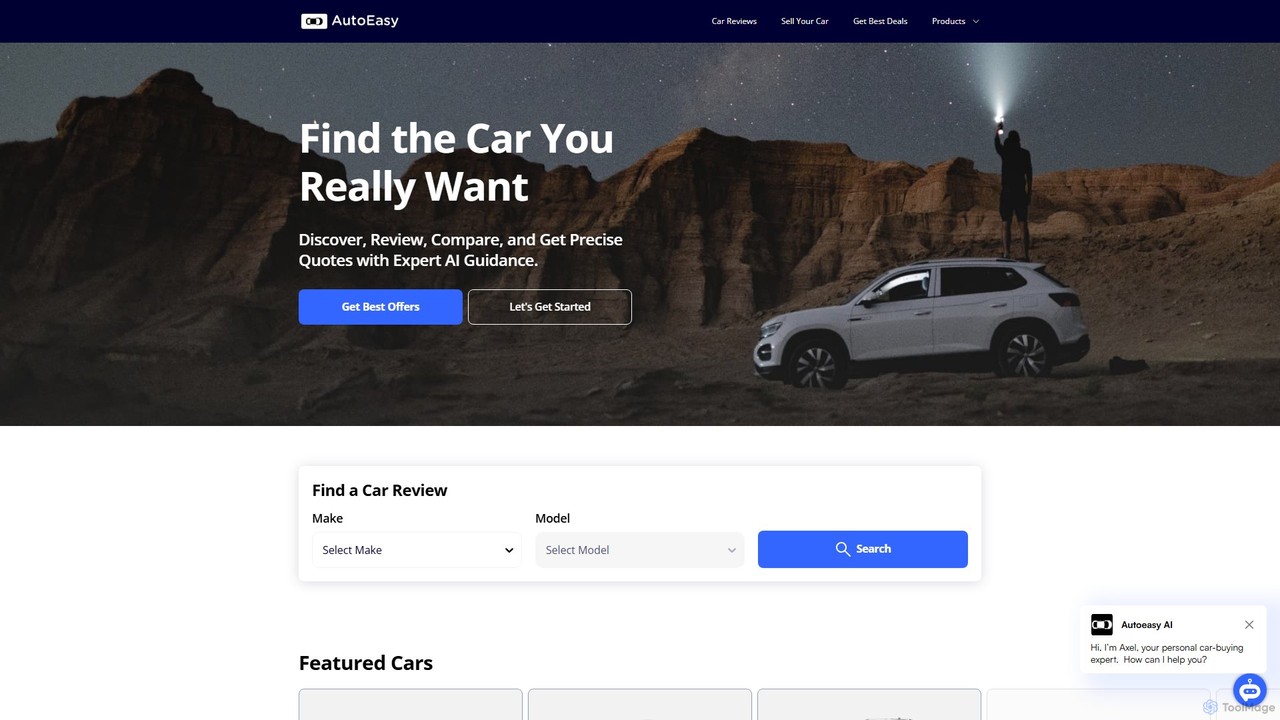
AutoEasy is an AI-powered car research platform that simplifies the vehicle buying process. It offers unbiased, data-driven car reviews, a 24/7 AI chatbot for personalized recommendations, and access to competitive quotes from a vetted dealer network. The platform consolidates extensive automotive information, helping users make informed decisions quickly and confidently, all for free.

Chatbots
Visits 4.8KFavorites 151Likes 151

About Shopping

AI Shopping tools are intelligent assistants designed to optimize the online purchasing process, helping users make smarter financial decisions. These tools leverage machine learning algorithms to analyze vast amounts of real-time data, including prices, promotions, and user reviews across countless e-commerce sites. Their primary value lies in automating the search for the best deals, personalizing product discovery, and providing data-driven insights to save both time and money. They act as a personal shopping expert, streamlining everything from initial search to final checkout.

Core Features

  • Automated Coupon & Deal Discovery: Automatically finds, tests, and applies the best available discount codes and coupons at checkout.
  • Real-Time Price Tracking & Comparison: Monitors product prices across multiple online retailers and alerts users to price drops.
  • Personalized Recommendations: Analyzes browsing history and user preferences to suggest relevant products and styles.
  • Visual Search Capability: Allows users to find and purchase products by simply uploading an image or screenshot.
  • Review Sentiment Analysis: Aggregates and summarizes thousands of customer reviews to provide a quick overview of a product's pros and cons.

Use Cases

These tools are widely used by savvy online shoppers, budget-conscious families, and anyone looking to maximize savings on purchases. They are particularly effective for frequent e-commerce users who buy electronics, fashion, or household goods online. Businesses can also use price tracking features for competitive analysis, monitoring market price fluctuations for their products.

How to Choose

When selecting an AI Shopping tool, consider its format, such as a browser extension for desktop or a dedicated mobile app. Evaluate the breadth of supported retailers to ensure it covers your favorite stores. Assess the core features—whether you prioritize automatic coupons, price tracking, or personalized recommendations. Finally, review the tool's data privacy policy to understand how your shopping data is handled.

Shopping use cases

1

Automated Coupon Application at Checkout

An online shopper is purchasing fashion items from various e-commerce stores. Instead of manually searching for discount codes on different websites, they use an AI shopping browser extension. As they proceed to the checkout page, the tool automatically scans its database for all relevant coupon codes for that specific store. It then tests each code in the background to find the one that provides the greatest discount and applies it to the cart. This process saves the user an average of 15-20% on their purchase and eliminates the time and frustration of searching for and testing invalid codes.

2

Price Drop Alerts for High-Value Electronics

A tech enthusiast plans to buy a new high-end graphics card but wants to wait for the best price. They use an AI shopping tool to set a price watch on the specific model across multiple retailers like Amazon, Newegg, and Best Buy. The user sets a target price. The AI tool then continuously monitors the product's price in the background. Weeks later, when one of the retailers launches a flash sale and the price drops below the user's target, the tool sends an instant notification via email or push alert. This allows the user to make the purchase at the optimal time without having to check prices manually every day.

3

Discovering Fashion Items from a Photo

A user sees an influencer on social media wearing a unique jacket and wants to find it or something similar. They take a screenshot and upload it to an AI shopping app with a visual search feature. The AI analyzes the image, identifying the jacket's style, color, and key features. Within seconds, it returns a list of visually similar jackets available for purchase from various online stores, sorted by price or brand. This transforms inspiration into a direct shopping opportunity, bridging the gap between seeing a product in the real world and finding it online.

4

Aggregating and Summarizing Product Reviews

A consumer is deciding between three different models of coffee machines. Each model has thousands of reviews online, making it impossible to read them all. They use an AI shopping tool that features review analysis. The user inputs the product pages for the three machines. The AI processes the reviews for each, identifying recurring themes and sentiments. It then presents a concise summary for each machine, such as: 'Model A: Praised for quiet operation and taste, but many users report durability issues after one year. Model B: Excellent durability, but users find it difficult to clean.' This allows for a quick, data-driven comparison, leading to a more confident purchase decision.

5

Personalized Gift Recommendations

A user needs to find a birthday gift for a friend who is passionate about sustainable living and gardening. Instead of browsing generic gift websites, they use an AI shopping assistant. The user inputs keywords like 'sustainable', 'gardening', 'eco-friendly', and a price range. The AI algorithm scours the web, filtering through products to find items that match these specific criteria. It might suggest a smart indoor garden, a set of high-quality tools made from recycled materials, or a subscription box for organic seeds. The results are highly tailored, saving the user hours of research and helping them find a thoughtful, relevant gift.

6

Comparing Grocery Prices Across Multiple Stores

A family wants to reduce their monthly grocery bill. They use an AI-powered shopping list app. As they add items like milk, bread, and vegetables to their digital list, the app works in the background to compare the real-time prices of each item at several local supermarkets and online grocery services (e.g., Walmart, Kroger, Instacart). Once the list is complete, the app presents a summary showing the total cost of the basket at each store. It might also suggest splitting the shopping trip between two stores to achieve maximum savings. This data-driven approach helps them save 10-25% on each shopping trip without manually checking weekly flyers.

Shopping FAQ

What are AI Shopping tools?

AI Shopping tools are software applications, often in the form of browser extensions or mobile apps, that use artificial intelligence to enhance the online shopping experience. They act as personal assistants that automate tasks like finding the best price, discovering coupons, and offering personalized product recommendations. Unlike simple price trackers, these tools use machine learning to analyze vast amounts of data in real-time, helping consumers make more informed and financially sound purchasing decisions quickly and efficiently.

How to choose the right AI Shopping tool?

Choosing the right AI Shopping tool depends on your shopping habits. Consider these factors:

  • Platform: Do you shop more on a desktop or mobile? Choose a tool that integrates well with your preferred platform, such as a browser extension for Chrome or a dedicated iOS/Android app.
  • Feature Priority: What's most important to you? If you're a bargain hunter, prioritize tools with strong automatic coupon finders. If you buy considered purchases, look for excellent price tracking and history charts.
  • Retailer Coverage: Ensure the tool supports the stores you frequent most. Some tools specialize in major retailers like Amazon, while others have broader coverage.
  • Privacy Policy: These tools often need access to your browsing data. Review their privacy policy to ensure you are comfortable with how your data is collected and used.
What's the difference between an AI Shopping tool and a simple price tracker?

The key difference lies in proactivity and intelligence. A simple price tracker is a reactive tool: you manually tell it which product to watch, and it alerts you when the price changes. An AI Shopping tool is proactive. It not only tracks prices but also automatically finds and applies coupons you didn't know existed, analyzes your browsing to recommend new products you might like, and summarizes reviews to save you research time. AI tools leverage machine learning to understand context and user intent, offering a much more comprehensive and automated assistance throughout the entire shopping journey, not just price monitoring.

Are AI Shopping tools safe to use?

Reputable AI Shopping tools are generally safe to use, but it's wise to be cautious. Most tools, especially browser extensions, require permission to read data on the websites you visit to function correctly (e.g., to find coupon fields at checkout). To ensure safety, you should:

  • Use well-known tools: Stick to tools with a high number of users and positive reviews from trusted sources.
  • Check permissions: Before installing, review the permissions the tool requests. Be wary if it asks for more access than seems necessary for its function.
  • Read the privacy policy: Understand what data the tool collects, how it's used, and if it's shared with third parties. Reputable companies are transparent about their data practices.

By following these practices, you can safely leverage these tools to save money.

Can AI Shopping tools really save me money?

Yes, AI Shopping tools can lead to significant savings. Their primary financial benefits come from two main functions: automated coupon application and price tracking. The coupon feature automatically finds and applies the best discount code at checkout, often saving users 10-30% on a purchase they were already making. The price tracking feature ensures you buy high-value items at their lowest price point, which can save hundreds of dollars on electronics or appliances. While savings vary per purchase, consistent use across all online shopping can result in substantial annual savings by preventing overpayment and maximizing available discounts.