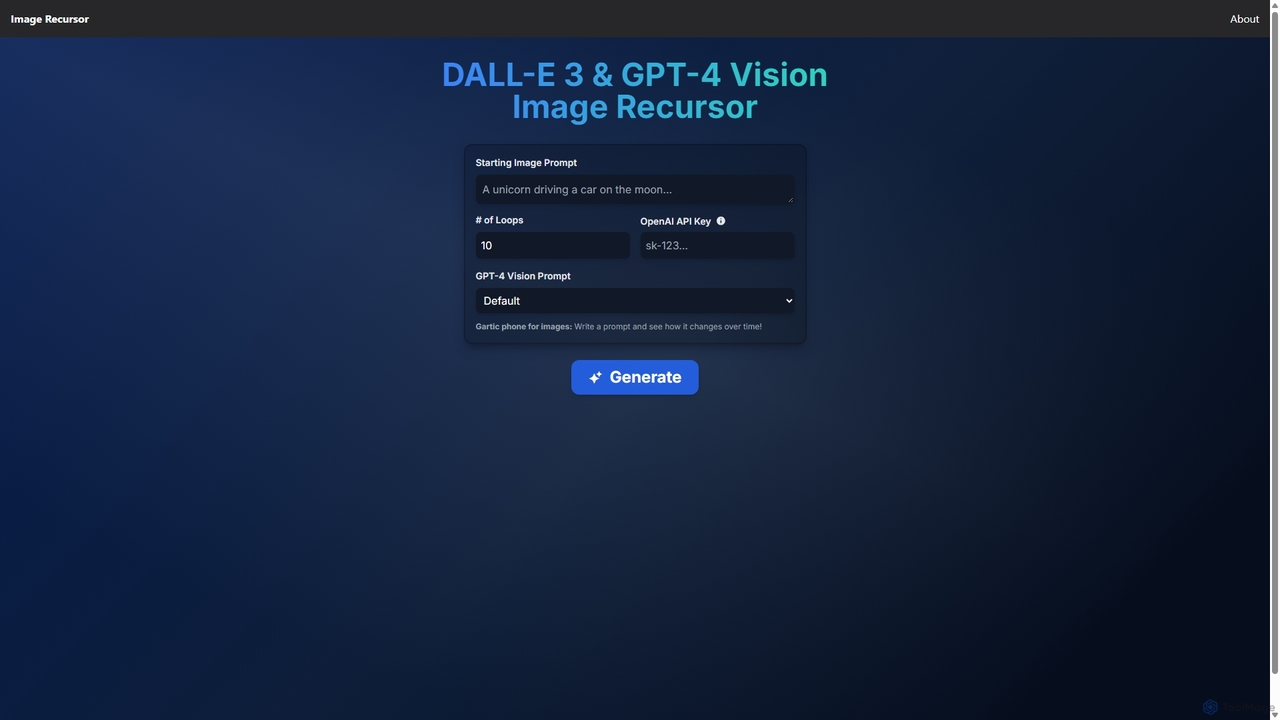
Experimental AI tools are a class of applications designed to explore the cutting edge of artificial intelligence. These tools often showcase novel algorithms, unconventional data interactions, or unique conceptual models that are not yet mainstream. Their primary purpose is to demonstrate new possibilities, spark creativity, and provide a glimpse into the future of AI, rather than offering a polished, production-ready solution. They represent the research and development frontier of AI, made accessible for public interaction.
Core Features
- Novel Functionality: Implements unique or unprecedented capabilities not found in standard tools.
- Unpredictable Outputs: Often produces surprising, non-deterministic, or abstract results that encourage exploration.
- Minimalist Interface: Frequently presented as simple demos or proofs-of-concept with focused controls.
- Direct Model Interaction: May offer a raw or less-filtered interface to a new AI model's capabilities.
- Conceptual Exploration: Designed more for artistic, creative, or philosophical inquiry than for task completion.
Use Cases
Experimental AI tools are primarily used by artists, researchers, AI enthusiasts, creative technologists, and developers. They serve as a source of inspiration for new projects, a way to test the boundaries of new AI models, and a platform for creating unique digital art or conceptual pieces. They are also valuable in educational settings for demonstrating advanced AI concepts in a hands-on manner.
How to Choose
When selecting an Experimental AI tool, focus on the novelty of the concept and the potential for creative inspiration. Evaluate the underlying technology or idea being demonstrated. Since these tools are not for production, criteria like stability or extensive features are less important than the uniqueness of the experience and the quality of the outputs, however unpredictable they may be. Community feedback can also be a good indicator of a tool's interestingness.