ToolMage
Sign in

Best 5 Miscellaneous AI tools for Fun Tools

Popular Miscellaneous AI tools in Fun Tools include morsetranslator, Personality Forge, ZoomScape.ai, Emojibrew, and TopRatedAITools, helping you work more efficiently.

ZoomScape.ai
Paid

ZoomScape.ai

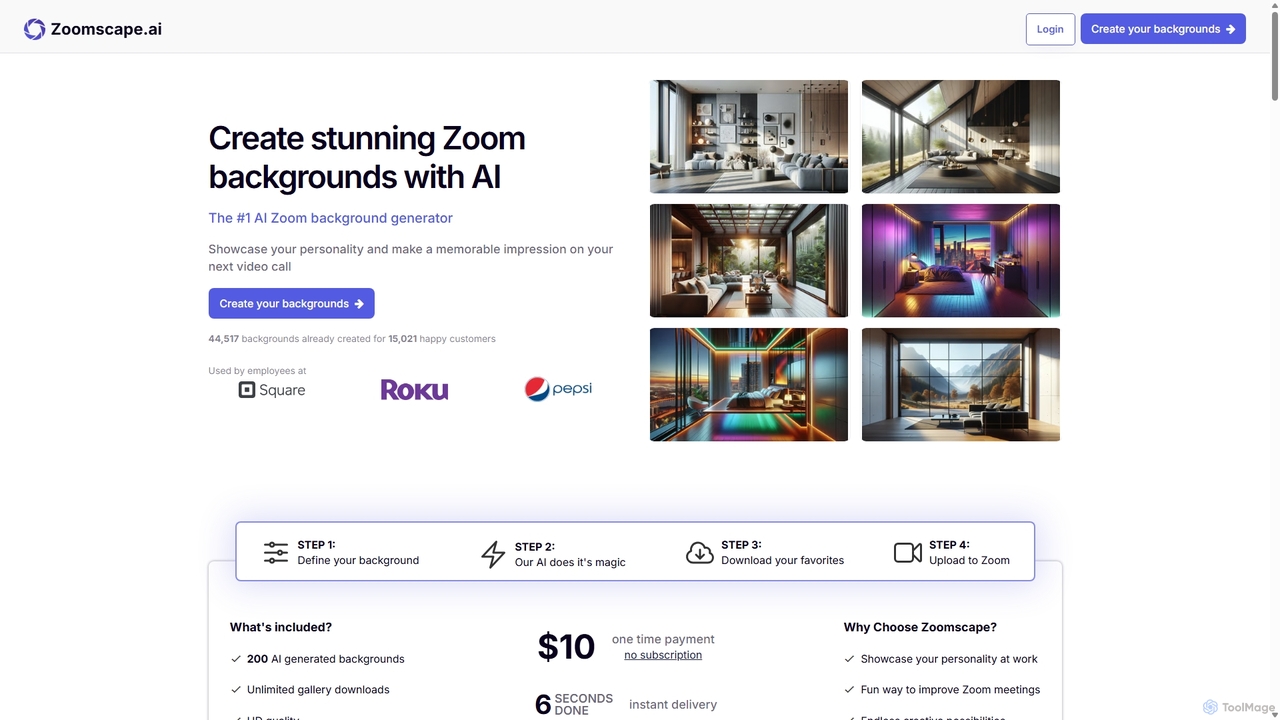
ZoomScape.ai is an AI-powered generator that creates hundreds of unique, stunning, and high-definition virtual backgrounds for Zoom and other video conferencing platforms. In seconds, you can generate personalized backdrops that showcase your personality, enhance your professional brand, and make your meetings more engaging.

Miscellaneous
Visits 4.7KFavorites 104Likes 124
Emojibrew
Freemium

Emojibrew

Emojibrew is an AI-powered emoji generator that allows you to create unique, custom emojis from text descriptions or by fusing existing ones. Instantly generate high-quality, expressive emojis for social media, marketing, or personal communication.

Graphics
Visits 3.7KFavorites 112Likes 93
morsetranslator
Free

morsetranslator

morsetranslator is a free, web-based tool for instant, accurate translation between English text and Morse code. It features audio playback, downloadable sounds, and comprehensive learning resources like alphabet charts. Ideal for enthusiasts, students, and professionals in aviation or maritime fields, it offers a user-friendly interface to learn, practice, and utilize the timeless communication system of Morse code for various purposes, from education to emergency signaling.

Learning
Visits 24.2KFavorites 96Likes 92
TopRatedAITools
Freemium

TopRatedAITools

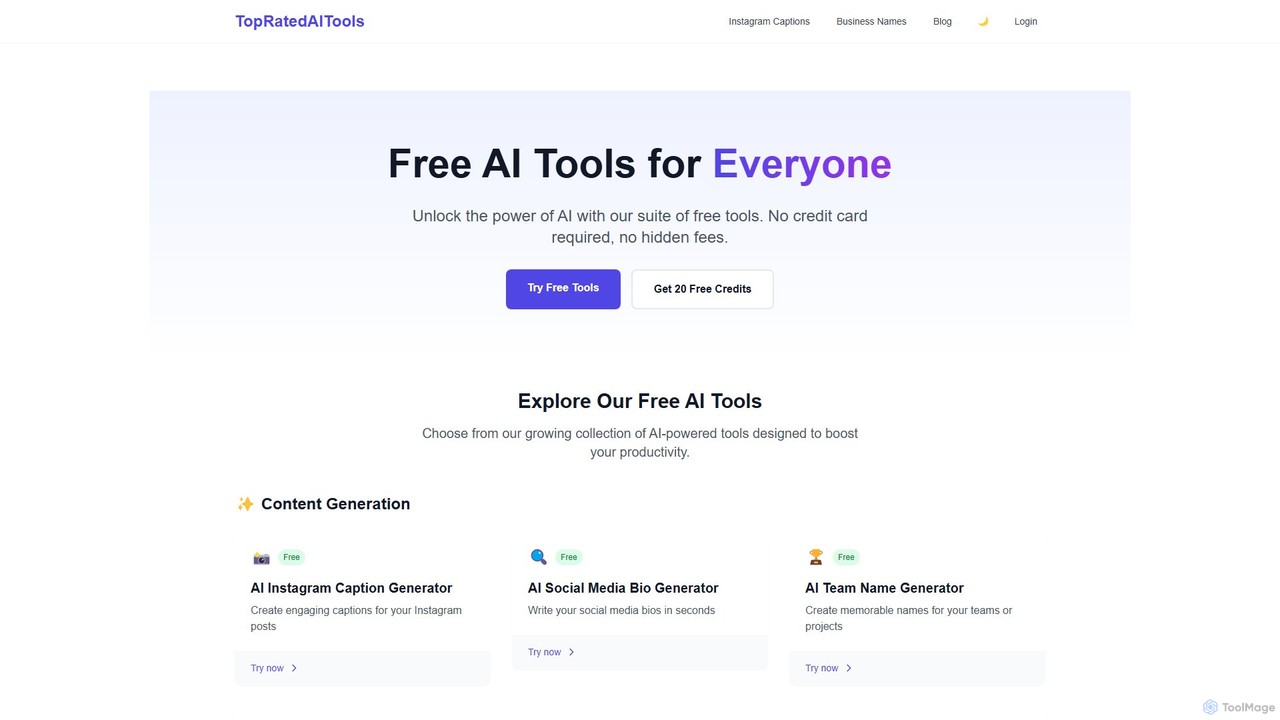
A versatile suite of free AI micro-tools designed to boost productivity and creativity. It offers a wide range of generators for content creation, business naming, creative writing, social media, and more, all accessible through a simple, user-friendly interface, with many features requiring no login.

Miscellaneous
Visits 3.6KFavorites 145Likes 154
Personality Forge
Freemium

Personality Forge

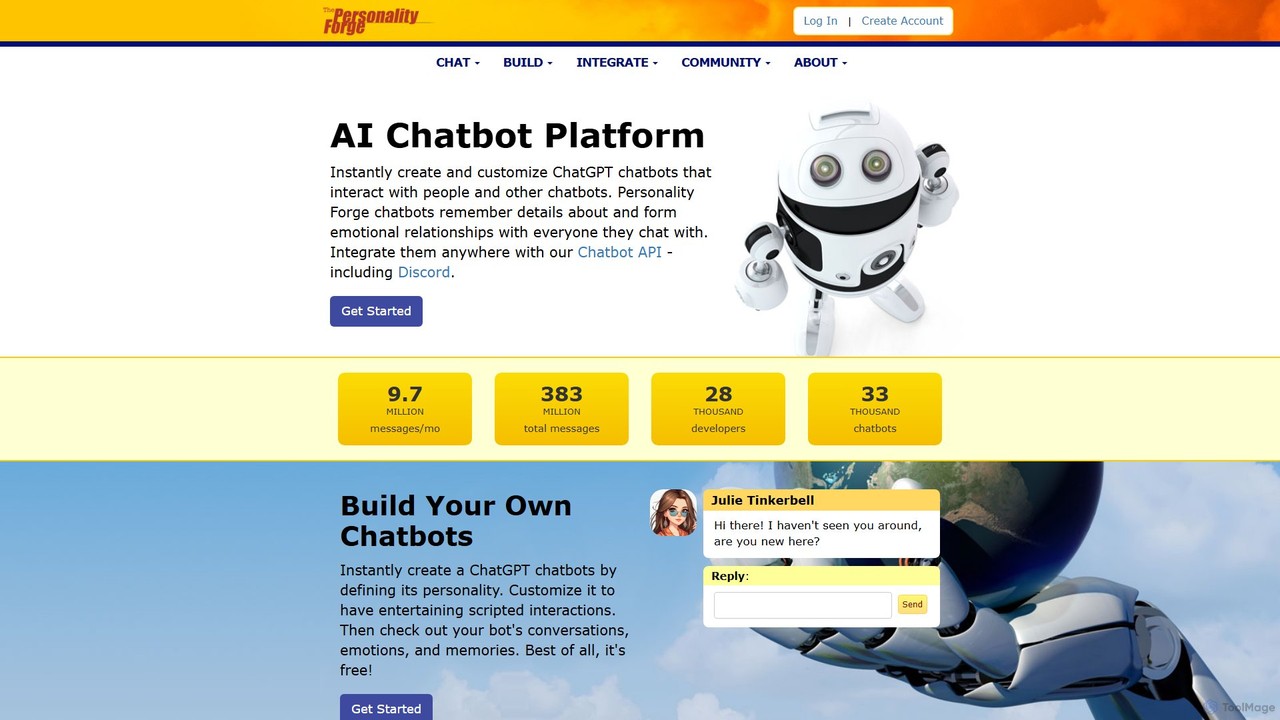
An advanced AI chatbot platform for creating and customizing chatbots with unique personalities, emotional memory, and conversational depth. Integrate your creations anywhere via API, including a seamless connection to Discord, and leverage both a proprietary scripting language and ChatGPT for dynamic interactions.

No Code Builder
Visits 5.1KFavorites 121Likes 112

About Miscellaneous

Miscellaneous AI Fun Tools are a diverse collection of unique, experimental, or highly specialized AI applications designed for creative exploration and entertainment. These tools often leverage novel AI models or combine technologies in unconventional ways to produce surprising, artistic, or humorous outcomes. They are ideal for sparking new ideas, creating one-of-a-kind content, or simply experiencing the playful and unexpected side of artificial intelligence. This category serves as a treasure trove for functionalities that defy conventional classification.

Core Features

  • Unconventional Generation: Creates outputs not found in standard categories, such as fictional maps, unique soundscapes, or stylized poetry.
  • Niche Data Synthesis: Operates on highly specific datasets to generate specialized content like fantasy character backstories or simulated historical dialogues.
  • Interactive AI Experiments: Offers simple, often web-based, demonstrations of a single, intriguing AI capability for educational or artistic purposes.
  • Creative Modality Mashups: Combines different AI modalities in unusual ways, such as turning a drawing into music or a text description into an abstract animation.

Use Cases

This category is particularly useful for artists, writers, game developers, hobbyists, and educators seeking inspiration or novel creative assets. For example, a world-builder could generate a unique continent for a fantasy novel, or a musician could find inspiration in an AI-generated melody based on a photograph.

How to Choose

When selecting a miscellaneous AI tool, focus on the uniqueness of its function and the specific creative outcome you desire. Evaluate the quality and originality of the generated content. Since many are experimental, prioritize ease of use and accessibility—often, the best tools are simple, single-purpose applications that are free to try.

Featured tool rankings

Miscellaneous use cases

1

Generating Fictional World Maps

A fantasy author or a tabletop RPG game master needs a unique map for their new world but lacks cartography skills. Using a miscellaneous AI map generator, they input key parameters like 'archipelago with volcanic mountains' or 'frozen tundra with ancient ruins'. The tool generates several high-resolution, stylized maps in minutes, providing a visual foundation for their story, complete with continents, rivers, and points of interest. This saves dozens of hours of manual design or the cost of hiring an artist.

2

Creating Custom Ambient Soundscapes

A content creator producing guided meditation videos wants unique background audio that perfectly matches the theme of each session. Instead of using generic stock audio, they use an AI soundscape generator. They provide prompts like 'calm forest stream with distant wind chimes and soft morning birdsong'. The AI synthesizes a seamless, high-quality audio track that is completely royalty-free and tailored to the specific mood, enhancing the immersive experience for their audience.

3

Inventing Novel Culinary Recipes

A home cook is tired of their usual meals and wants to experiment. They use an AI recipe generator, listing the ingredients they have on hand: 'chicken breast, broccoli, feta cheese, and lemon'. The AI, trained on a vast database of culinary knowledge, generates a unique recipe for 'Lemon-Feta Stuffed Chicken with Roasted Broccoli', including step-by-step instructions, cooking times, and even suggestions for wine pairings. This provides a fun way to discover new flavor combinations and reduce food waste.

4

Simulating Fictional Character Dialogues

A writer experiencing writer's block wants to explore their character's personality. They use an AI dialogue simulator, defining two characters from their story with brief personality traits. They then provide a scenario prompt: 'Character A confronts Character B about a betrayal'. The AI generates a plausible, in-character conversation, revealing potential reactions, emotional nuances, and lines of dialogue the writer hadn't considered. This acts as a powerful brainstorming tool to deepen character development and advance the plot.

5

Generating Abstract Art from Text

A digital artist is looking for a new source of inspiration for a series on emotions. They use a miscellaneous AI tool that converts text into abstract visual art. They input phrases like 'the melancholy of a forgotten memory' or 'the chaos of joyful discovery'. The AI interprets these abstract concepts and generates unique, complex visual patterns, color palettes, and textures. The artist can then use these generated images as a starting point, a background layer, or a direct component in their larger digital compositions.

6

Crafting Personalized Bedtime Stories

A parent wants to create a unique bedtime story for their child every night. Using a miscellaneous AI story generator, they input key elements: the child's name ('Lily'), their favorite animal ('a brave squirrel'), a location ('a magical forest'), and a moral ('the importance of sharing'). The AI weaves these elements into a short, coherent, and age-appropriate story. This provides endless entertainment and a special bonding experience, far more personal than reading the same books repeatedly.

Miscellaneous FAQ

What are Miscellaneous AI Fun Tools?

Miscellaneous AI Fun Tools are a unique category of AI applications that don't fit into standard classifications like 'image generation' or 'chatbots'. They are often experimental, artistic, or highly niche, designed to provide novel, entertaining, or creatively inspiring experiences. Think of them as the creative sandbox of AI, where developers test unusual ideas, from generating fictional languages to composing music based on weather patterns.

How are these tools different from other 'Fun Tools'?

While all 'Fun Tools' aim to entertain, 'Miscellaneous' tools are defined by their uniqueness and lack of a common category. For example, an 'AI Meme Generator' has a very specific, well-defined purpose. In contrast, a tool in the Miscellaneous category might do something completely unexpected, like creating a recipe from an image or generating a philosophical quote in the style of a cat. Their primary value lies in their novelty and ability to surprise the user with unconventional AI applications.

Who are these Miscellaneous AI tools for?

These tools are ideal for a wide range of users who value creativity, experimentation, and novelty. This includes:

  • Creatives: Artists, writers, and musicians looking for unconventional sources of inspiration.
  • Hobbyists: Individuals exploring the fun and quirky side of technology.
  • Educators and Students: People using them as simple, engaging examples of AI capabilities.
  • Developers: Those looking for inspiration for new and innovative AI applications.
Essentially, they are for anyone with a curious mind who wants to see what happens when AI is used outside of a purely productive or business-oriented context.

What kind of outputs can I expect from these tools?

The outputs are as varied as the tools themselves. Unlike a standard AI tool that produces a predictable type of content (e.g., text, images), a miscellaneous tool might generate anything. You could receive a piece of music, a 3D model, a poem, a fictional map, a color palette, a snippet of code, or even just a funny or thought-provoking sentence. The defining characteristic is unpredictability and novelty; you often don't know exactly what you'll get, which is part of the fun.

How should I choose a Miscellaneous AI tool to try?

Choosing a tool from this category is more about exploration than evaluation. Since they are often free and experimental, the best approach is to browse and see what catches your eye. Consider these points:

  • Novelty of the Concept: Does the tool's purpose sound interesting or unique to you?
  • Simplicity: Most of these tools are single-purpose and easy to use. Look for a simple interface that lets you experiment quickly.
  • Inspiration Potential: Ask yourself if the output could spark a new idea for a personal project, a piece of art, or just a fun conversation.
  • Community Examples: See what others have created with the tool. This can give you a good idea of its capabilities and limitations.
Don't worry about finding the 'best' tool; focus on finding the one that seems the most fun or intriguing to you at the moment.