Generative Ai Best in category 1 results Image & Video AI Tool

Popular AI tools in the Image & Video field of Generative Ai include Insider Memes, etc., helping you quickly improve efficiency.

Insider Memes

Insider Memes

Insider Memes is an AI-powered viral meme generator that helps users create engaging and humorous memes in seconds. …

79.0K

About Image & Video

Image & Video AI tools are a powerful category of generative AI that leverage advanced algorithms to create, modify, and enhance visual content. These tools utilize deep learning models, such as GANs and diffusion models, to understand complex visual patterns and generate high-quality images and videos from textual prompts, existing media, or other data inputs. They empower creators, marketers, and businesses to rapidly produce unique visual assets, automate tedious editing tasks, and explore new creative possibilities with unprecedented efficiency.

Core Features

  • Generative Creation: Generate entirely new images, videos, or specific elements from text descriptions or sketches.
  • Style Transfer: Apply artistic styles from one image or video to another, maintaining content while transforming aesthetics.
  • Content Editing & Enhancement: Automatically remove backgrounds, upscale resolution, colorize old photos, or fill in missing parts of an image.
  • Video Manipulation: Generate video clips, perform object removal, change backgrounds, or create slow-motion effects with AI assistance.
  • Image-to-Image Translation: Transform images from one domain to another, such as converting sketches to realistic photos or day scenes to night scenes.

Use Cases

These tools are widely adopted across various industries, from digital marketing and content creation to game development and e-commerce. They enable graphic designers to quickly iterate on concepts, marketers to produce diverse ad creatives at scale, and filmmakers to automate visual effects. Businesses leverage them for personalized content generation, product visualization, and efficient media asset management.

How to Choose

When selecting an Image & Video AI tool, consider its specific generative capabilities (e.g., text-to-image, image-to-video), the quality and realism of its output, and its ease of use. Evaluate the available customization options, integration with existing workflows, and the pricing model. Also, assess the community support and the tool's ability to handle your specific data types and creative demands.

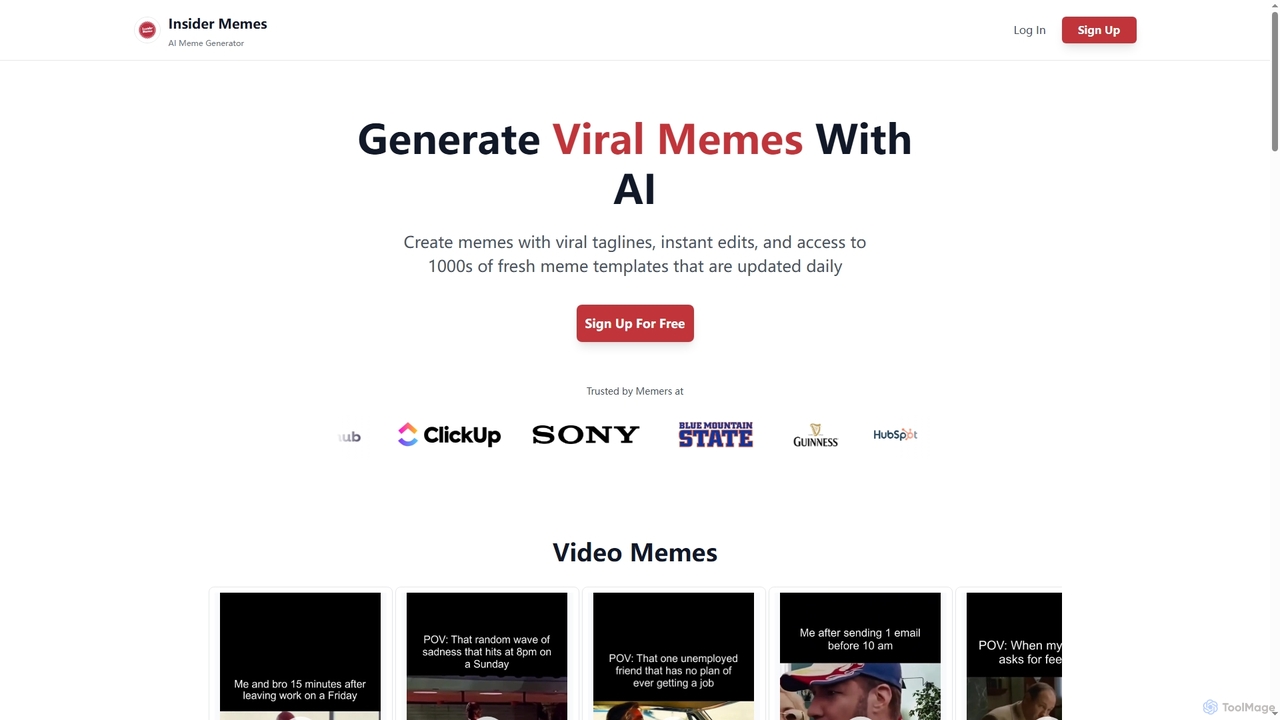
Image & VideoUse Cases

1

Generate Marketing Campaign Visuals

Marketing specialists can use AI Image & Video tools to quickly generate a wide array of visual content for advertising campaigns. By inputting text descriptions of desired scenes, products, or themes, they can create diverse ad creatives, social media posts, and banner images. This significantly reduces the time and cost associated with traditional graphic design, allowing for rapid A/B testing and personalized content delivery across various platforms.

2

Generate Diverse Marketing Ad Creatives

Marketing professionals often need a high volume of varied visual content for A/B testing and multi-platform campaigns. Image & Video AI tools allow them to input product descriptions or campaign themes and instantly generate dozens of unique ad creatives, including different styles, layouts, and models. This significantly reduces design time and costs, enabling faster iteration and optimization of marketing campaigns.

3

Generate Product Marketing Visuals

E-commerce businesses use AI to create diverse product images, lifestyle shots, and ad banners from simple descriptions, saving time and cost on traditional photography and graphic design. This allows for rapid A/B testing of visuals and personalized content for different customer segments, significantly boosting marketing campaign effectiveness and conversion rates.

4

Automate E-commerce Product Visualization

E-commerce businesses can leverage AI Image & Video tools to automate the creation of product visuals. Instead of expensive photoshoots, they can upload a single product image and use AI to generate variations with different backgrounds, lighting conditions, or even models. This enables rapid production of diverse product imagery, helping to showcase items in various contexts and appeal to a broader customer base, ultimately boosting conversion rates and reducing operational costs.

5

Create Realistic Product Mockups for E-commerce

E-commerce businesses require compelling product visuals without the expense of professional photoshoots for every variation. AI image generation tools enable designers to create realistic mockups of products in various settings, with different colors, textures, or even on diverse models. This accelerates product launch cycles and provides customers with a richer visual experience, enhancing conversion rates.

6

Rapid Concept Art & Design Iteration

Game developers and concept artists leverage AI to quickly generate multiple variations of characters, environments, and objects based on textual prompts or rough sketches. This accelerates the ideation phase, allowing artists to explore diverse styles and compositions in minutes, significantly reducing the time spent on initial visual development and fostering greater creativity.

7

Accelerate Game Asset Creation

Game developers and artists can significantly accelerate their workflow by using AI Image & Video tools for asset creation. These tools can generate textures, character concepts, environmental elements, and even simple animations from text prompts or rough sketches. This allows for rapid prototyping, exploration of various art styles, and efficient production of high-quality game assets, freeing up artists to focus on more complex and creative tasks, thereby shortening development cycles.

8

Automate Video Content Production for Social Media

Social media managers constantly need fresh, engaging video content to maintain audience interest. Image & Video AI tools can transform text scripts or blog posts into short, dynamic videos with AI-generated voiceovers, visuals, and background music. This automates a significant portion of video production, allowing managers to publish more frequently and maintain a consistent online presence without extensive editing skills.

9

Automated Social Media Content Creation

Social media managers utilize AI to produce a continuous stream of engaging images and short videos for various platforms, adapting styles and themes to maintain audience interest without extensive manual effort. This enables consistent brand presence and frees up creative teams to focus on strategy rather than repetitive content generation, leading to higher engagement rates.

10

Enhance Video Production and Editing

Video editors and content creators can utilize AI Image & Video tools to enhance their production and editing processes. These tools can automatically generate short video clips from text, upscale low-resolution footage, remove unwanted objects or backgrounds, and even apply complex visual effects with minimal manual effort. This capability streamlines post-production, reduces editing time, and allows for the creation of professional-grade videos even with limited resources, making advanced video editing more accessible.

11

Enhance and Upscale Low-Resolution Archival Footage

Archivists and media professionals often deal with old, low-resolution images or video footage that needs to be modernized for current platforms. AI video and image enhancement tools can intelligently upscale resolution, reduce noise, and sharpen details in historical content. This breathes new life into valuable archives, making them suitable for high-definition displays and preserving cultural heritage with improved clarity.

12

Personalized Video Ad Production

Marketers employ AI video tools to generate personalized video ads at scale, dynamically adjusting elements like product placement, voiceovers, and text overlays for different audience segments. This hyper-personalization significantly increases ad relevance and engagement, leading to higher click-through rates and improved return on ad spend compared to generic campaigns.

13

Create Personalized Educational Content

Educators and trainers can leverage AI Image & Video tools to create highly personalized and engaging learning materials. By inputting specific concepts or scenarios, they can generate custom illustrations, diagrams, or short explanatory videos tailored to different student needs or learning styles. This capability helps to make complex topics more understandable, increases student engagement, and allows for the rapid production of diverse educational resources, enhancing the overall learning experience.

14

Design Game Assets and Character Concepts Rapidly

Game developers and concept artists need to quickly iterate on visual ideas for characters, environments, and assets. Image & Video AI tools allow them to input textual descriptions or rough sketches and generate multiple variations of game assets or character concepts in different art styles. This drastically speeds up the pre-production phase, enabling more creative exploration and faster decision-making in game design.

15

Historical Photo & Video Restoration

Archivists and enthusiasts use AI to upscale low-resolution images, colorize black-and-white photos, and stabilize old video footage, bringing historical media back to life with enhanced clarity and detail. This preserves cultural heritage and makes previously inaccessible or degraded visual content viewable and shareable for modern audiences, enriching historical research and public engagement.

16

Streamline Architectural Visualization

Architects and interior designers can streamline their visualization processes using AI Image & Video tools. By uploading basic sketches, 2D plans, or simple 3D models, AI can generate realistic renderings, apply various material textures, and simulate different lighting conditions. This significantly reduces the time and effort required for traditional rendering, allowing designers to quickly iterate on concepts, present multiple design options to clients, and create compelling visual proposals with greater efficiency and realism.

17

Personalize Visuals for Customer Communications

Businesses aiming for hyper-personalization in customer outreach can use AI to tailor visual content. For instance, a real estate agent could generate personalized images of a property with a client's name subtly integrated, or a travel agency could create bespoke destination visuals based on individual preferences. This deepens customer engagement and makes communications feel more relevant and impactful.

18

Architectural Visualization & Interior Design

Architects and interior designers use AI to transform 2D floor plans or basic models into realistic 3D renderings, experimenting with different materials, lighting, and furniture arrangements instantly. This significantly speeds up the design process, allows clients to visualize concepts more effectively, and reduces the need for costly physical mock-ups, leading to faster project approvals and fewer revisions.

Image & VideoFrequently Asked Questions