Snap AR
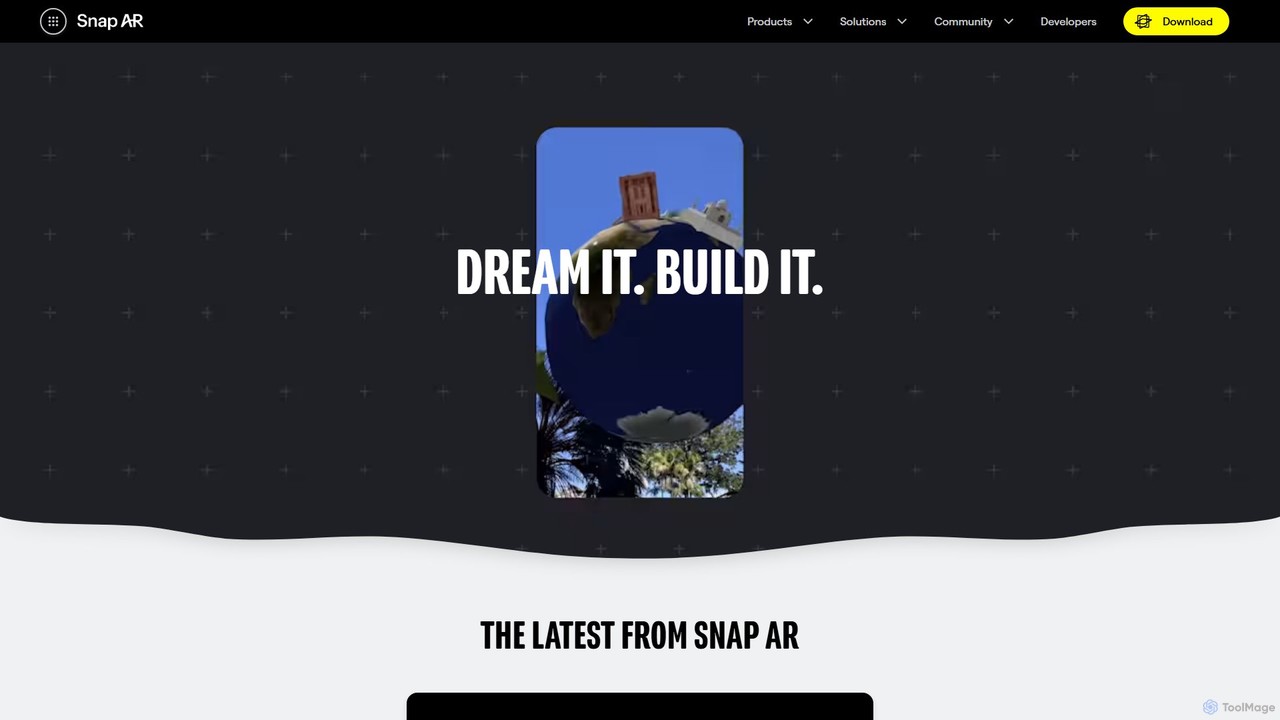
Snap AR is a comprehensive platform for creators, developers, and brands to build and deploy powerful augmented reality …
Snap AR is a comprehensive platform for creators, developers, and brands to build and deploy powerful augmented reality experiences. It features the advanced Lens Studio for creation, the Camera Kit SDK for cross-platform integration, and a new GenAI Suite to accelerate development from a simple prompt to a published AR Lens.
About Image
AI Image tools are a category of Generative AI that leverage advanced algorithms to create, modify, and enhance visual content. These tools utilize deep learning models, such as diffusion models, to interpret textual prompts or existing images and generate corresponding high-quality visuals. They empower users to rapidly produce unique graphics, illustrations, and photographs, significantly streamlining creative workflows across various industries.
Core Features
- Text-to-Image Generation: Creates diverse images from descriptive text prompts.
- Image-to-Image Transformation: Modifies existing images based on new styles or content.
- Inpainting & Outpainting: Fills missing parts or extends image boundaries intelligently.
- Image Upscaling & Enhancement: Increases resolution and improves visual quality without loss.
- Object Removal & Replacement: Seamlessly removes or swaps elements within an image.
Applicable Scenarios
These tools are invaluable for content creators, marketers, and designers who need to generate unique visual assets quickly. They are widely used in advertising for campaign visuals, in game development for concept art, and in e-commerce for product mockups, accelerating ideation and production cycles.
How to Choose
When selecting an AI Image tool, consider the desired output quality and resolution, the range of customization options (e.g., artistic styles, model control), ease of use and interface intuitiveness, and integration capabilities with existing design software. Evaluate pricing models and licensing terms for commercial use.

ImageUse Cases
Generating Marketing Campaign Visuals
Marketers use AI Image tools to quickly produce a wide array of unique visual assets for social media posts, banner ads, and email campaigns. By inputting specific themes or product descriptions, they can generate diverse creative options, enabling rapid A/B testing and personalized content delivery, significantly reducing design time and costs.
Illustrating Blog Posts and Articles
Content creators and bloggers leverage AI Image tools to generate custom, contextually relevant images for their articles. Instead of relying on generic stock photos, they can create unique illustrations that perfectly match their content's tone and message, enhancing reader engagement and visual appeal.
Designing Game Assets and Concept Art
Game developers and artists utilize AI to accelerate the ideation and creation of game assets, characters, environments, and concept art. By providing textual descriptions or rough sketches, they can generate multiple variations and styles, streamlining the design iteration process and bringing creative visions to life faster.
Visualizing Product Concepts for E-commerce
E-commerce businesses and product designers employ AI Image tools to create realistic mockups, lifestyle images, and variations of new products before physical production. This allows for rapid visualization of different designs, materials, and settings, aiding in market testing and enhancing online product listings.
Creating Personalized Digital Art and Avatars
Individual artists and hobbyists use AI Image tools to explore new artistic styles, generate unique digital artworks, or create personalized avatars and profile pictures. These tools offer a creative outlet for experimentation, allowing users to transform ideas into visual art with ease.
Developing Architectural Renderings and Interior Designs
Architects and interior designers apply AI Image tools to quickly generate realistic renderings of building exteriors, interior spaces, and landscape designs. They can experiment with different materials, lighting conditions, and furniture arrangements, providing clients with diverse visual options for project approval and planning.