Health & Fitness Best in category 1 results Workout Tracker AI Tool

Popular AI tools in the Workout Tracker field of Health & Fitness include rex, etc., helping you quickly improve efficiency.

rex

rex

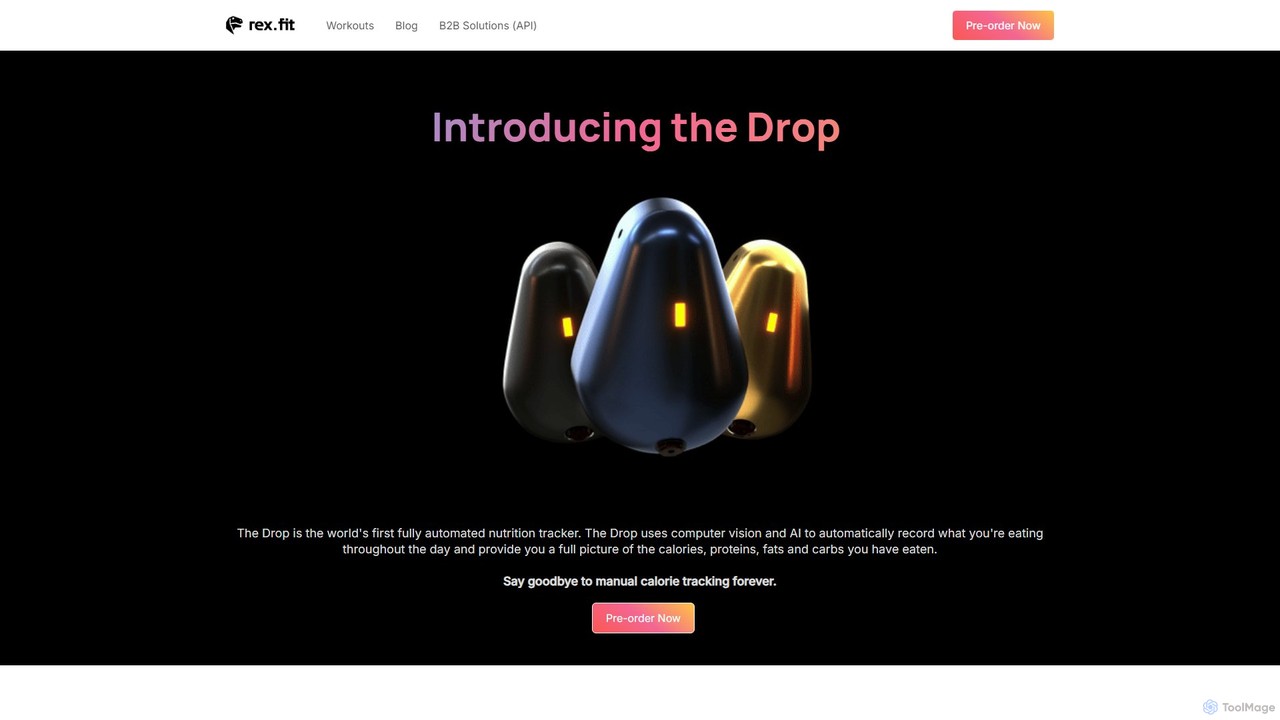
rex is an AI-powered nutrition and workout coach that operates via WhatsApp. It simplifies health tracking by allowing …

11.0K

About Workout Tracker

AI Workout Trackers are applications that use artificial intelligence to monitor, analyze, and guide your fitness routines. Leveraging your device's camera or sensors, these tools track movements, count repetitions, and provide real-time feedback on your exercise form. This technology transforms a simple log into a personalized digital coach, creating adaptive training plans based on your performance and goals. Unlike standard fitness apps, AI trackers can identify movement patterns, suggest adjustments to prevent injury, and optimize workouts for maximum effectiveness.

Core Features

  • Real-time Form Correction: Uses computer vision to analyze your posture and technique during exercises, offering instant feedback.
  • Adaptive Workout Plans: Automatically adjusts exercise difficulty, volume, and rest periods based on your progress and feedback.
  • Automatic Tracking: Detects exercises and counts repetitions and sets hands-free, eliminating manual data entry.
  • Performance Analytics: Provides detailed insights into strength gains, endurance improvements, and muscle imbalances over time.
  • Predictive Insights: Forecasts performance potential and can suggest when to push harder or when to focus on recovery to avoid overtraining.

Use Cases

These tools are ideal for home fitness enthusiasts seeking guidance without a personal trainer, gym-goers wanting to perfect their form on complex lifts, and athletes looking to optimize their training with data-driven insights. They are also valuable in physical therapy settings for monitoring the correct execution of rehabilitation exercises remotely.

How to Choose

When selecting an AI Workout Tracker, consider the tracking technology (camera-based vs. sensor-based), the level of personalization in workout plans, and the breadth of its exercise library. Also, evaluate the quality of its performance analytics and review its data privacy policy to understand how your movement and personal data are handled.

Workout TrackerUse Cases

1

Perfecting Weightlifting Form at Home

A home fitness enthusiast wants to learn complex lifts like squats and deadlifts without a personal trainer. They use the app's camera-based form correction feature. The AI provides real-time audio and visual cues to correct posture, depth, and bar path. This process significantly reduces the risk of injury, improves lifting efficiency, and helps them achieve faster and safer strength gains by ensuring proper technique from the start.

2

Automated Workout Logging for Efficiency

A busy professional needs to track their gym sessions efficiently without manual data entry. During their workout, the AI tracker automatically detects the exercise being performed, counts reps and sets, and logs rest times. This allows the user to focus entirely on their training. After the session, a complete and accurate workout log is instantly available for review, saving valuable time and eliminating the hassle of manual tracking.

3

Adaptive Training for Marathon Preparation

An amateur runner training for a marathon needs a plan that adapts to their daily condition. The AI tracker analyzes running data like pace and heart rate, along with user-inputted data such as sleep quality and perceived exertion. Based on this holistic view, it adjusts the next day's training intensity and volume, suggesting a lighter recovery run after a poor night's sleep or increasing mileage when the user is performing well. This prevents overtraining and optimizes the path to peak performance.

4

Guided Physical Therapy Rehabilitation

A patient recovering from a knee injury needs to perform prescribed exercises correctly at home. Using an AI tracker, they follow guided routines where the app's computer vision monitors their range of motion and adherence to the correct form. The app can alert them to improper movements that could hinder recovery. Progress reports, including metrics on consistency and movement quality, can be automatically generated and shared with their physical therapist for remote monitoring and feedback.

5

Breaking Through Strength Plateaus

An experienced gym-goer is stuck at a certain weight limit on their bench press. The AI tracker analyzes their historical workout data, identifying patterns such as slowing bar speed on later reps or imbalances between sides. Based on this analysis, the AI suggests targeted interventions, such as incorporating specific accessory exercises to strengthen weak points (like triceps), or adjusting the training volume and intensity to introduce a new stimulus. This data-driven approach helps the user overcome the plateau more systematically.

6

Gamified Fitness Challenges for Motivation

A beginner finds it difficult to stay consistent with their workouts due to a lack of motivation. They use an AI tracker that incorporates gamification elements. The AI creates personalized weekly challenges, such as 'complete 3 workouts' or 'lift a total of 2000 kg'. As they complete these challenges, they unlock virtual badges and see their name climb a personal leaderboard. This sense of achievement and progress turns exercise into a more engaging and rewarding experience, boosting long-term adherence.

Workout TrackerFrequently Asked Questions