ToolMage
Sign in

Best 1 Mindfulness AI tools for Health

Popular Mindfulness AI tools in Health include Patience.ai, helping you work more efficiently.

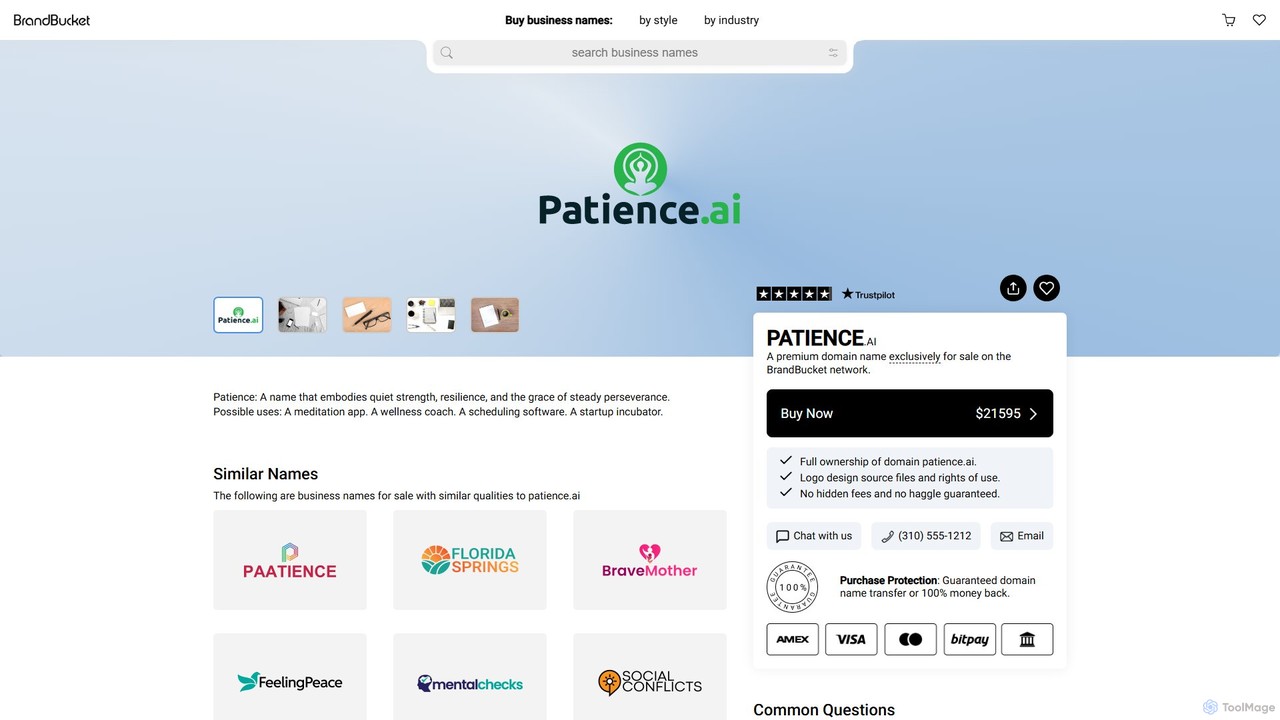
Patience.ai
Freemium

Patience.ai

Patience.ai is an AI-powered personal development platform designed to help you achieve long-term goals. It combines intelligent goal decomposition, adaptive scheduling, and mindfulness tools to foster sustainable progress and prevent burnout. Turn your biggest ambitions into a patient, step-by-step journey.

Personal Development
Visits 420.1KFavorites 141Likes 128

About Mindfulness

Mindfulness AI tools are digital applications and platforms that utilize artificial intelligence to facilitate and enhance the practice of mindfulness, meditation, and mental well-being. These tools often integrate guided meditations, personalized exercises, and biofeedback mechanisms to help users reduce stress, improve focus, and cultivate emotional balance. They serve as accessible, on-demand companions for individuals seeking to integrate mindfulness into their daily lives, offering structured support for mental health within the broader category of Health AI.

Core Features

  • Personalized Guided Meditations: AI algorithms adapt meditation sessions based on user progress, mood, and stated goals, offering tailored audio guidance.
  • Biofeedback Integration: Connects with wearable devices to monitor physiological responses like heart rate variability or brainwave activity, providing real-time feedback during mindfulness exercises.
  • Mood Tracking & Analysis: Users log their emotional states, and AI analyzes patterns over time to offer insights and suggest relevant mindfulness practices.
  • Stress Reduction Programs: Delivers structured programs incorporating breathing exercises, body scans, and cognitive techniques to manage anxiety and promote relaxation.
  • Mindfulness Reminders & Nudges: AI intelligently schedules prompts for short mindfulness breaks or check-ins throughout the day, based on user habits and reported stress levels.

Use Cases

Individuals seeking to manage daily stress and anxiety can use these tools for guided breathing exercises and short meditation breaks. Professionals aiming to improve focus and cognitive performance can leverage personalized mindfulness routines. Students can utilize mood tracking and stress reduction programs to cope with academic pressures, while anyone interested in cultivating emotional resilience can benefit from structured mindfulness training.

How to Choose

When selecting a Mindfulness AI tool, consider the range of guided meditations and exercises offered, ensuring they align with your specific needs (e.g., stress, sleep, focus). Evaluate its personalization capabilities, such as AI-driven adaptation to your progress and preferences. Check for integration with wearable devices if biofeedback is a priority. Finally, assess the user interface for ease of use and the availability of progress tracking features to monitor your mental well-being journey.

Mindfulness use cases

1

Managing Daily Stress & Anxiety

Individuals experiencing everyday stress or mild anxiety can use Mindfulness AI tools to access short, guided breathing exercises and body scan meditations. By dedicating 5-10 minutes daily, users can learn to observe thoughts without judgment, reducing immediate stress responses and fostering a calmer state of mind, leading to improved emotional regulation throughout the day.

2

Enhancing Focus for Work/Study

Professionals and students can leverage Mindfulness AI tools to sharpen their concentration and reduce distractions. Through focused attention meditations and mindful awareness exercises, users train their minds to stay present. This practice can lead to increased productivity during work or study sessions, helping to maintain attention on tasks for longer periods and improving overall cognitive performance.

3

Promoting Restful Sleep

For those struggling with sleep, Mindfulness AI tools offer specialized sleep meditations and relaxation techniques. Users can engage in pre-sleep guided imagery or progressive muscle relaxation exercises to calm the nervous system. This helps to quiet an overactive mind, making it easier to fall asleep faster and achieve deeper, more restorative sleep without relying on medication.

4

Building Emotional Resilience

Individuals aiming to better understand and manage their emotions can use these tools for emotional awareness practices. AI-driven mood tracking helps users identify emotional patterns, while guided exercises teach techniques for responding to difficult emotions with greater calm and clarity. This fosters emotional resilience, enabling users to navigate life's challenges more effectively.

5

Integrating Mindfulness into Busy Schedules

Busy professionals or parents can utilize Mindfulness AI tools to seamlessly incorporate short mindfulness breaks into their day. AI-powered reminders and micro-meditations (1-3 minutes) can be scheduled during commutes, coffee breaks, or before important meetings. This helps maintain mental clarity and reduce burnout, making mindfulness accessible even with limited time.

6

Personalized Mental Well-being Journeys

Users seeking a structured approach to long-term mental well-being can benefit from AI tools that offer personalized mindfulness programs. Based on initial assessments and ongoing mood tracking, the AI curates a progressive series of meditations and exercises. This tailored journey supports continuous growth in mindfulness, stress reduction, and emotional intelligence, adapting as the user's needs evolve.

Mindfulness FAQ

What are Mindfulness AI tools?

Mindfulness AI tools are digital platforms that use artificial intelligence to guide users through mindfulness and meditation practices. They typically offer personalized guided meditations, mood tracking, and stress reduction exercises. These tools aim to help individuals improve mental well-being, reduce stress, enhance focus, and cultivate emotional balance through accessible, technology-driven support.

How do Mindfulness AI tools differ from traditional meditation apps?

While both offer guided meditations, Mindfulness AI tools leverage AI for personalization and deeper insights. Traditional apps often provide static content. AI tools, however, can adapt meditation sessions based on user input, progress, and even biofeedback data, offering a more dynamic and tailored experience. They can also analyze mood patterns over time to suggest specific practices, going beyond a simple content library.

Who can benefit from using Mindfulness AI tools?

Anyone seeking to improve their mental well-being, manage stress, enhance focus, or cultivate emotional resilience can benefit. This includes busy professionals, students, individuals experiencing mild anxiety, or those simply looking to integrate more calm into their daily routine. The tools offer flexible, on-demand support, making mindfulness accessible to a wide range of users regardless of their prior experience.

What features should I look for when choosing a Mindfulness AI tool?

When choosing, prioritize personalized guided meditations that adapt to your needs. Look for robust mood tracking and analytical capabilities to understand your emotional patterns. Biofeedback integration with wearables can offer valuable real-time insights. Additionally, consider the variety of stress reduction programs, ease of use, and the ability to set intelligent reminders for consistent practice.

Can Mindfulness AI tools replace therapy or professional mental health support?

No, Mindfulness AI tools are designed to complement, not replace, professional mental health support. They are excellent for general well-being, stress reduction, and developing mindfulness skills. However, for serious mental health conditions, clinical depression, severe anxiety, or trauma, professional therapy, counseling, or medical intervention is essential. Always consult a healthcare professional for significant mental health concerns.