ToolMage
Sign in

Best 39 Nutrition AI tools for Health

Popular Nutrition AI tools in Health include oishi_kenko, Fitia, SnapCalorie, Prospre, Nourish, nutriadmin, CalCounter, Foodzilla, ai_mealplan, and Journable, helping you work more efficiently.

Nutreasy

Nutreasy

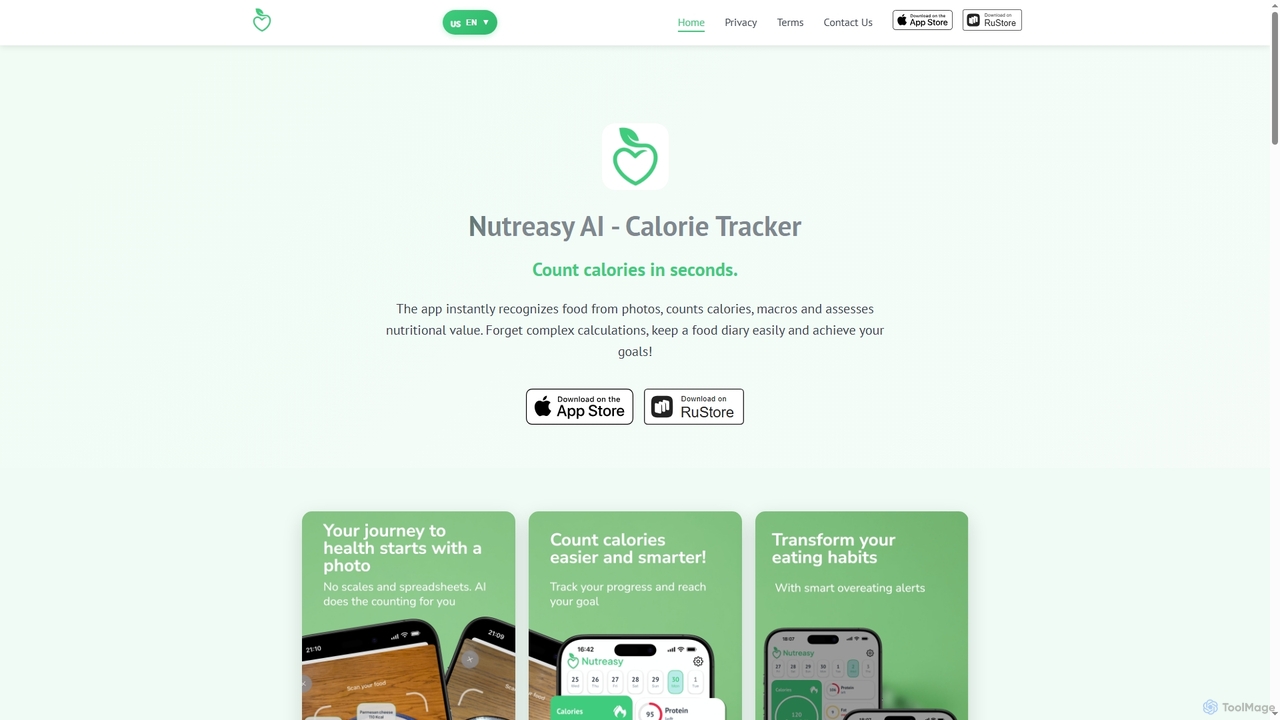
Nutreasy is an AI-powered calorie and macro tracker app that simplifies nutrition management. Users can simply photograph their meals, and the AI technology recognizes the food to provide an accurate breakdown of calories and macronutrients, saving time and effort.

Diet
Visits 5.9KFavorites 127Likes 132
Foodlog AI

Foodlog AI

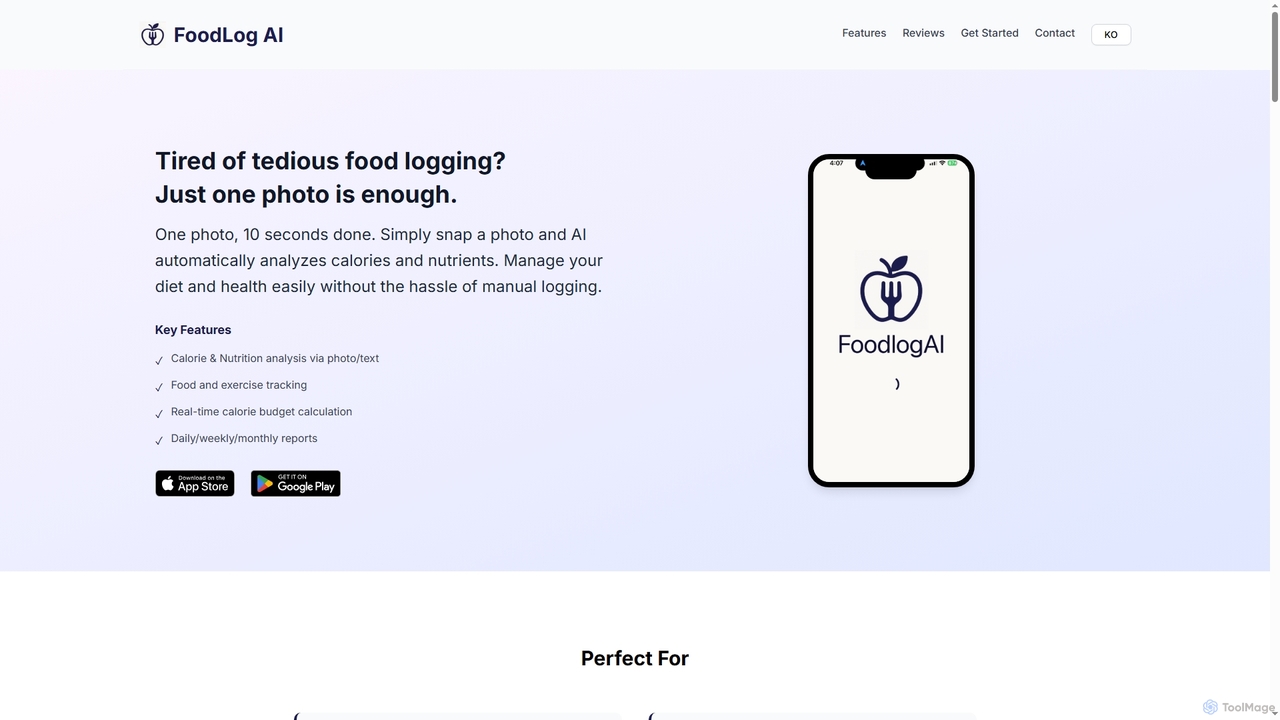
Foodlog AI is an AI-powered nutrition tracker that automatically analyzes calories and macronutrients from a single photo of your meal in just 10 seconds. It simplifies food logging, tracks exercise, provides personalized dietary coaching, and generates shareable reports for easy health management.

Nutrition
Visits 5.8KFavorites 136Likes 153
FoodSkin AI

FoodSkin AI

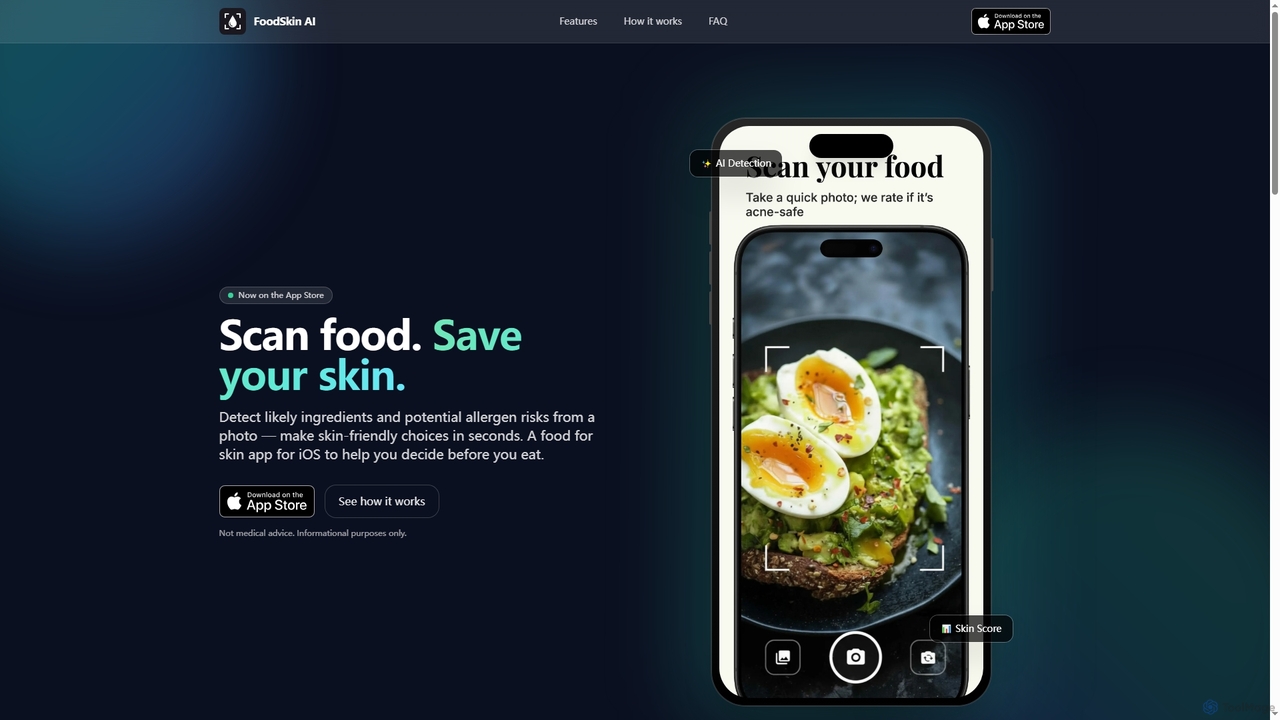
FoodSkin AI is an iOS app that uses AI to scan meal photos, identify likely ingredients and potential allergens, and provide a skin-friendliness score. It helps users make informed dietary choices in seconds to support skin health, especially for those prone to acne.

Allergen Management
Visits 6KFavorites 117Likes 131
Fitia
Freemium

Fitia

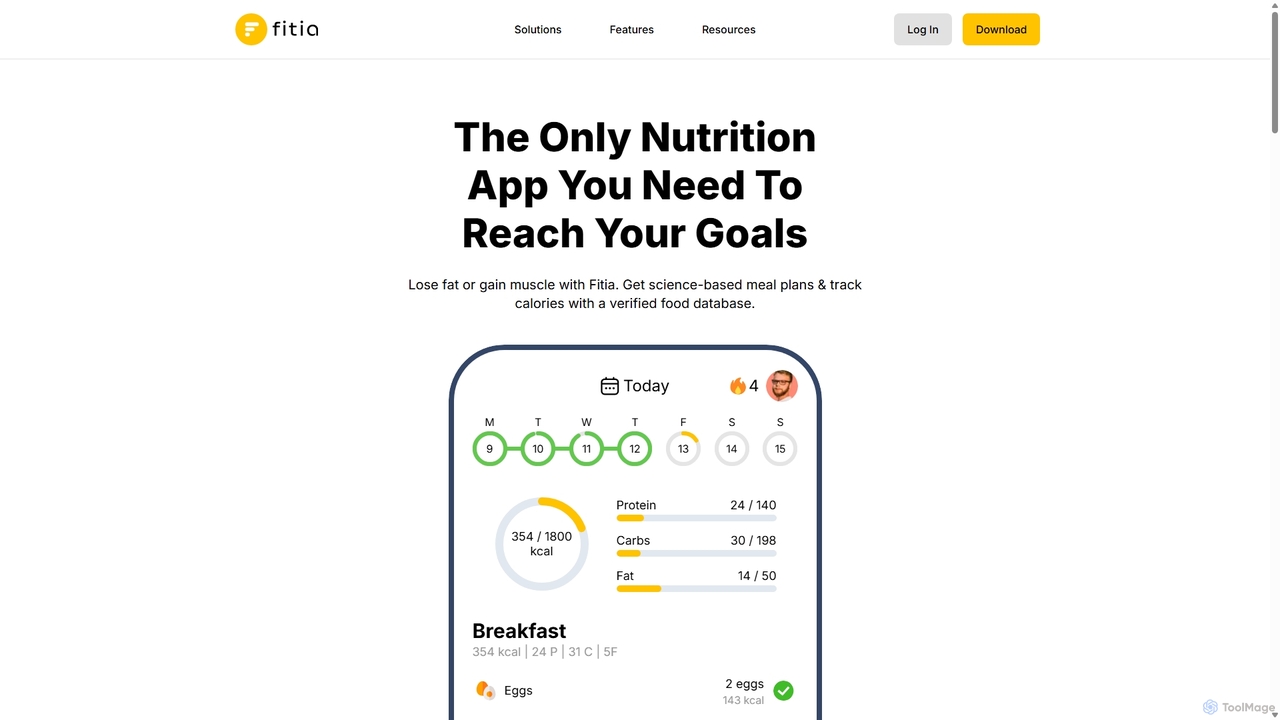
Fitia is an AI-powered nutrition app that creates science-based meal plans and tracks calories to help you lose fat or gain muscle. It features a verified food database, personalized macro targets, progress tracking, and automated shopping lists for a comprehensive approach to achieving your fitness goals.

3D
Visits 951.5KFavorites 120Likes 140
Prospre
Freemium

Prospre

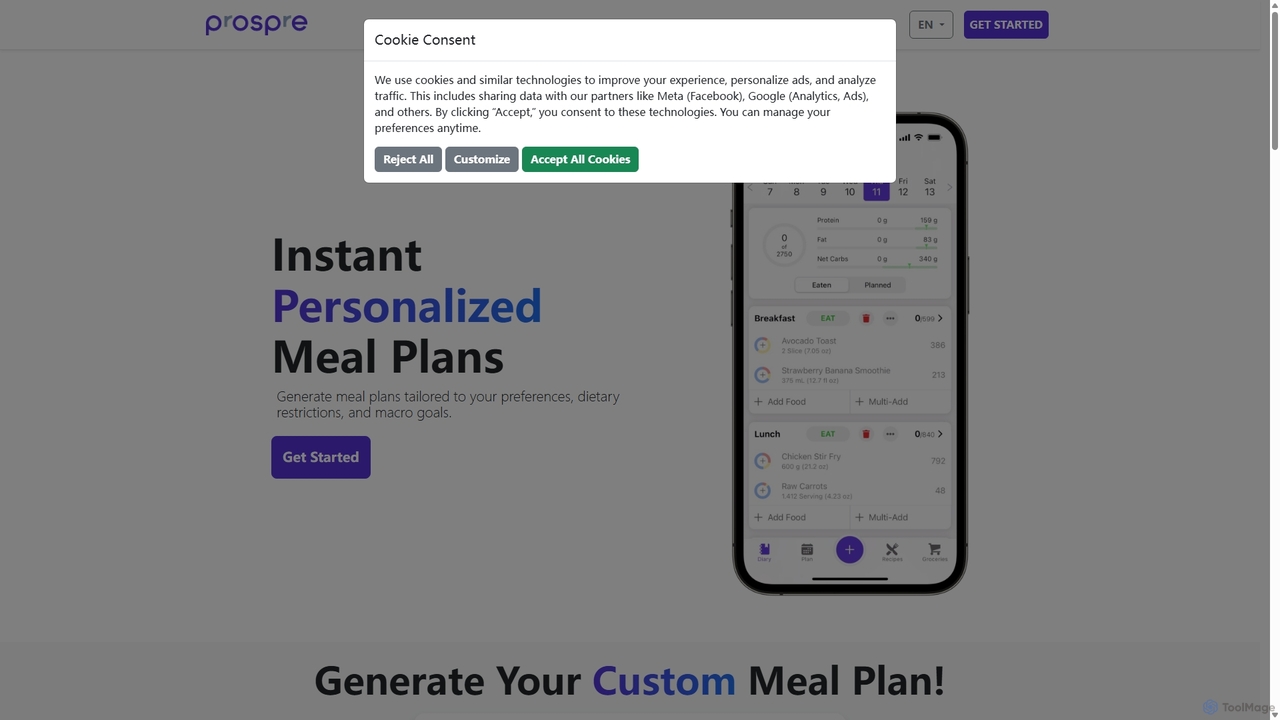
Prospre is an AI-powered meal planner and nutrition coach app that simplifies healthy eating. It generates personalized meal plans based on your specific macronutrient and calorie goals, dietary preferences, and allergies. The integrated AI Coach analyzes your progress to provide adaptive recommendations, helping you achieve weight loss or muscle gain goals more effectively.

Nutrition
Visits 85KFavorites 129Likes 134
GPT Food Cam
Free

GPT Food Cam

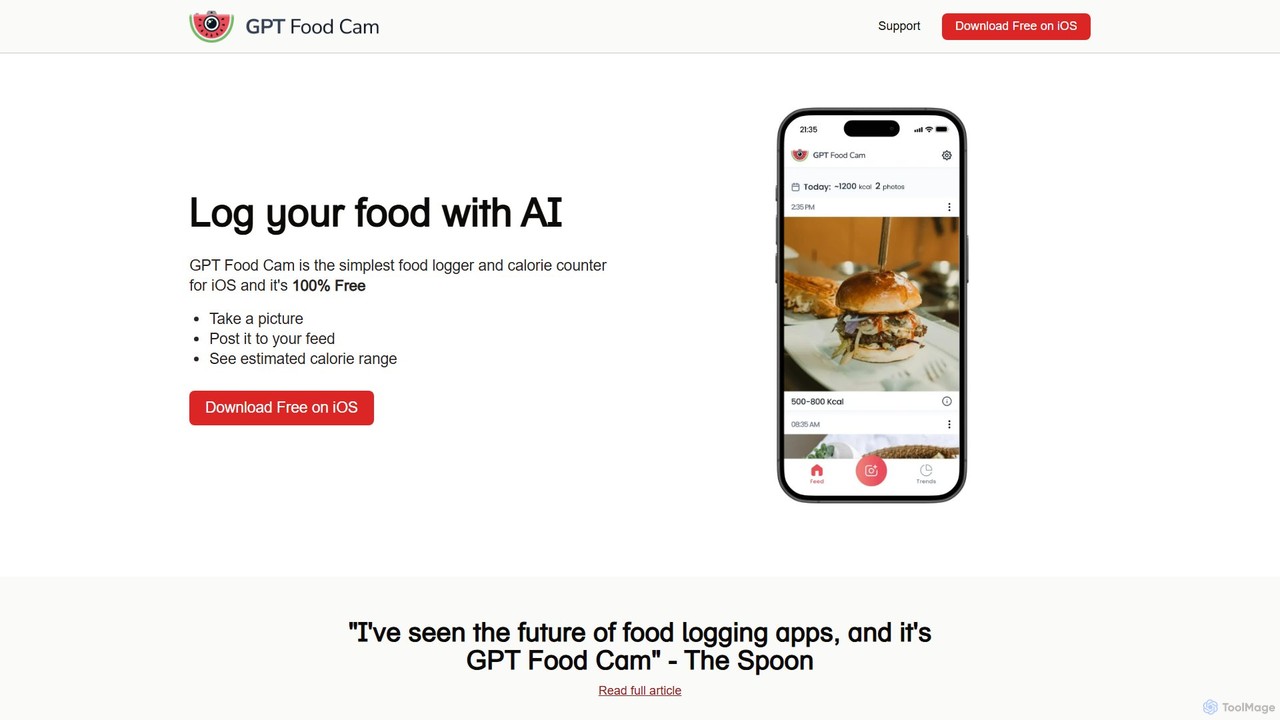
GPT Food Cam is a free AI-powered iOS app that simplifies food logging and calorie counting. Just take a picture of your meal, and the app uses Google Gemini to provide an estimated calorie range. Designed for speed and simplicity, it helps you build mindful eating habits without the tedious manual entry of traditional diet apps.

Nutrition
Visits 6.8KFavorites 146Likes 136
Meals.Chat
Freemium

Meals.Chat

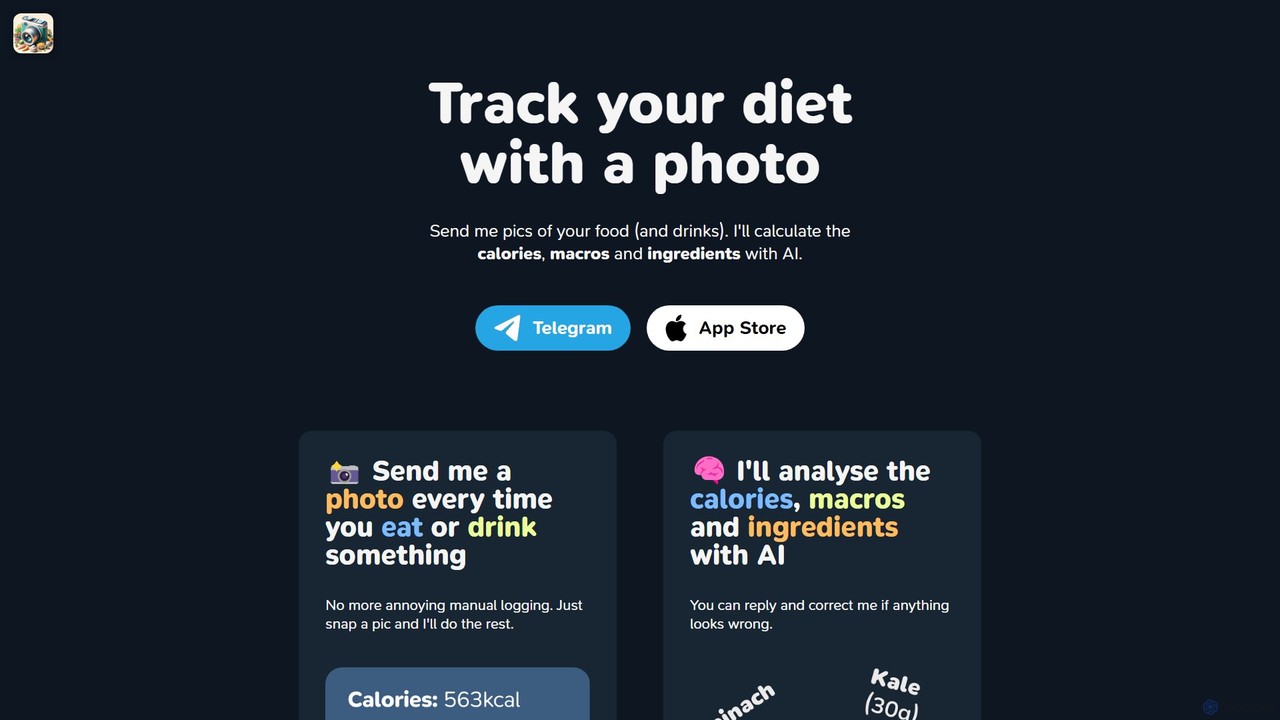
Meals.Chat is an AI-powered nutrition assistant that tracks your calories, macros, and ingredients from a simple photo of your food. Ditch manual logging and reach your diet goals by snapping a picture or sending a text description via Telegram or its dedicated app.

Nutrition
Visits 8.7KFavorites 143Likes 154
FreshFrame

FreshFrame

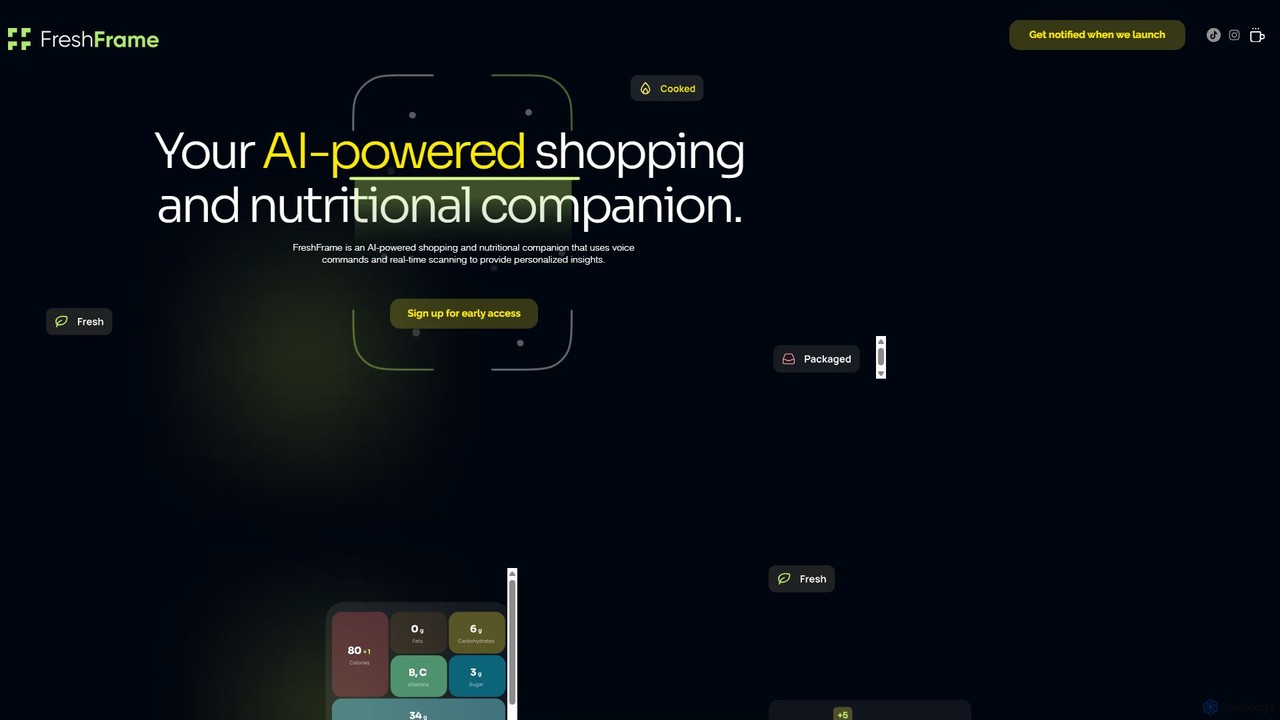
FreshFrame is an AI-powered nutrition and shopping companion app. It uses real-time scanning and voice commands to provide personalized nutritional insights, product comparisons, and meal analysis based on your health goals. Its unique feature is tracking nutritional changes in fresh produce as it ripens.

Nutrition
Visits 6KFavorites 131Likes 137
littlecook
Freemium

littlecook

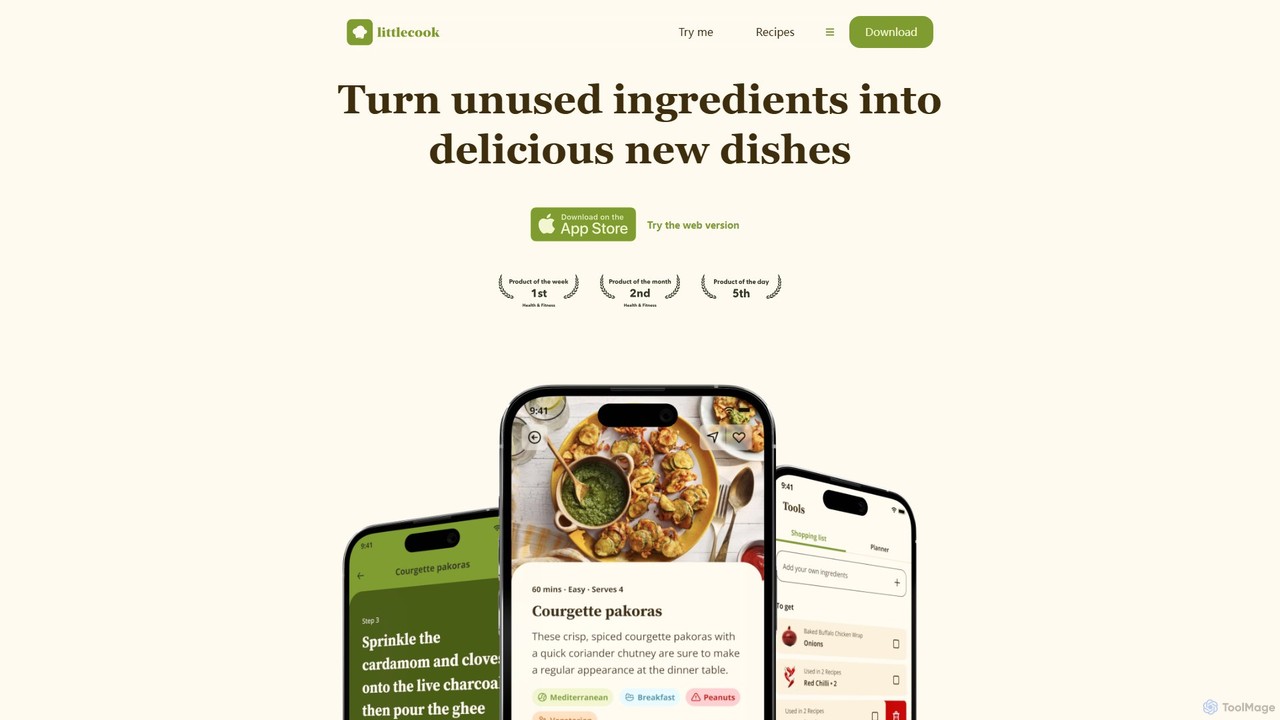
littlecook is an AI-powered cooking assistant that transforms your leftover ingredients into delicious recipes. It helps you reduce food waste, save money, and simplify meal planning by discovering dishes you can make with what you already have in your pantry.

Nutrition
Visits 8.5KFavorites 170Likes 164
SnapCalorie
Freemium

SnapCalorie

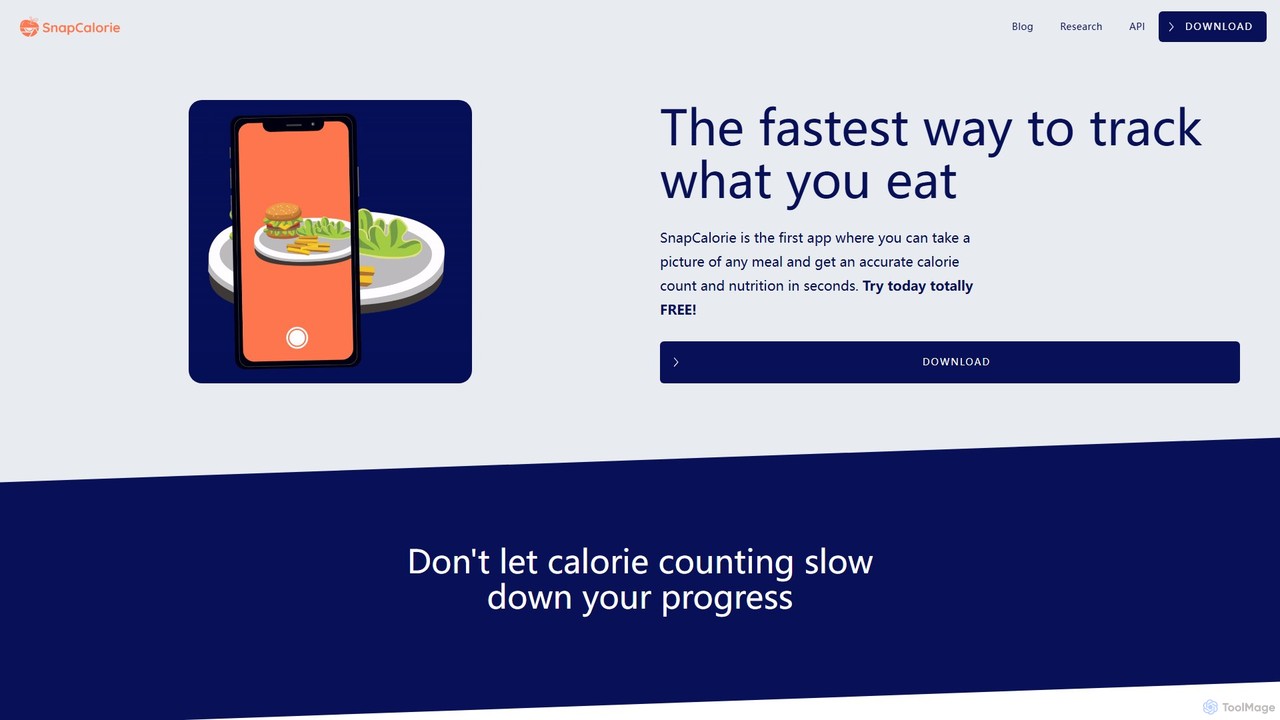
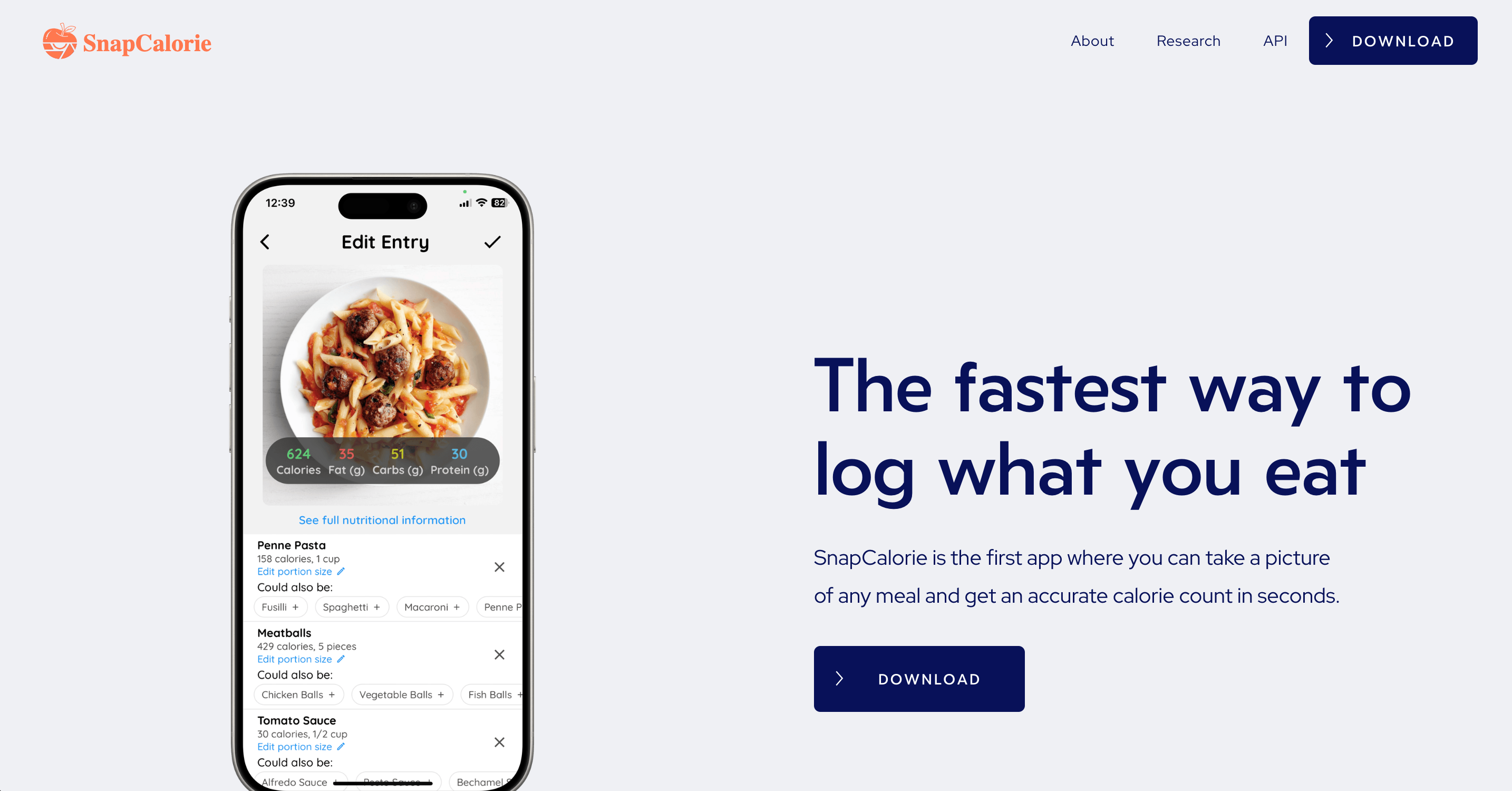
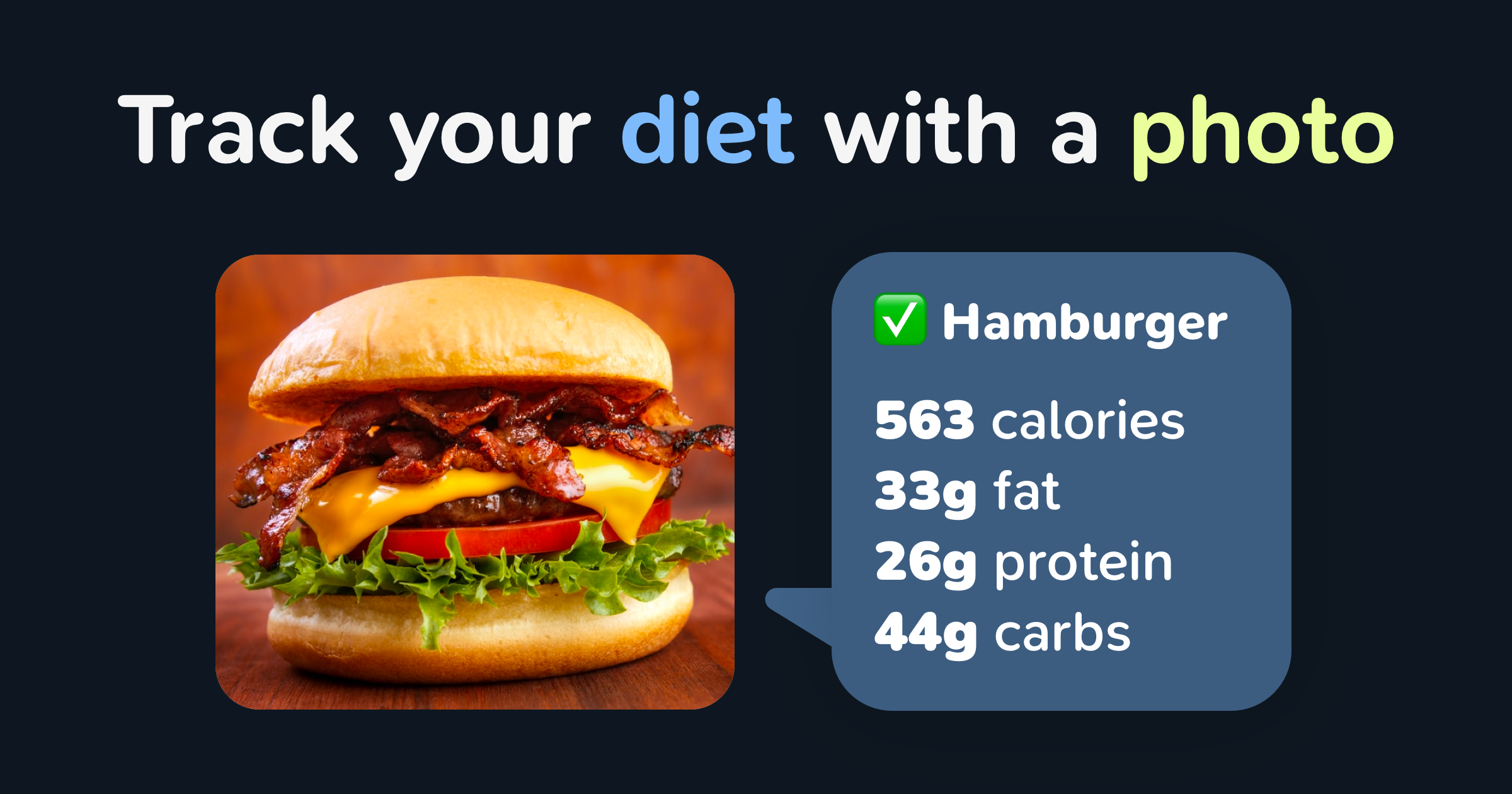
SnapCalorie is an AI-powered mobile app that provides the fastest way to track your nutrition. Simply take a picture of your meal, and the app instantly calculates the calories and macronutrients with high accuracy, leveraging your phone's depth sensor for precise portion sizing. It's designed to be faster and more accurate than manual logging.

Nutrition
Visits 249.8KFavorites 163Likes 156

About Nutrition

AI Nutrition tools are applications that use artificial intelligence to provide personalized dietary analysis, meal planning, and nutritional guidance. They leverage machine learning algorithms to analyze user data such as goals, dietary preferences, and biometric information to generate tailored recommendations. These tools empower users to make informed food choices, track their nutrient intake accurately, and work systematically towards health objectives like weight management or improved athletic performance. By automating complex nutritional calculations, they make healthy eating more accessible and manageable.

Core Features

  • Personalized Meal Planning: Generates customized daily or weekly meal plans based on individual goals, allergies, and food preferences.
  • Food Logging & Analysis: Uses image recognition or manual entry to log meals and provides a detailed breakdown of calories, macronutrients, and micronutrients.
  • Intelligent Recommendations: Suggests food swaps, recipes, and portion sizes to help users meet their nutritional targets.
  • Progress Tracking & Insights: Monitors trends in weight, nutrient intake, and other health metrics, offering insights into dietary patterns.

Use Cases

These tools are widely used by individuals for personal health management, including weight loss, muscle gain, and managing chronic conditions like diabetes. Athletes and fitness enthusiasts use them to optimize their diet for peak performance and recovery. Additionally, dietitians and nutritionists employ these platforms to monitor clients' progress and provide data-driven advice more efficiently.

How to Choose

When selecting an AI Nutrition tool, consider the accuracy and size of its food database. Evaluate the level of personalization and its ability to accommodate specific dietary needs (e.g., vegan, keto, gluten-free). Check for integration capabilities with fitness trackers and other health apps. Finally, assess the user interface for ease of food logging and clarity of data presentation.

Featured tool rankings

Nutrition use cases

1

Creating a Personalized Weight Management Plan

A user aiming to lose 10kg inputs their current weight, height, age, activity level, and goal into an AI Nutrition tool. The AI analyzes this data to calculate a daily calorie deficit and an optimal macronutrient split. It then generates a 7-day meal plan complete with recipes that fit these targets and align with the user's stated food preferences, such as a low-carb diet. The tool also suggests healthy snack alternatives to help the user stay on track throughout the day.

2

Optimizing Nutrition for Athletic Performance

A competitive cyclist uses an AI nutrition app to fuel their training and recovery. By syncing the app with their fitness tracker, the AI automatically adjusts daily calorie and carbohydrate recommendations based on the intensity and duration of each ride. Before a long ride, the app suggests specific pre-workout meals to maximize glycogen stores. Post-ride, it recommends meals with an optimal protein-to-carb ratio to accelerate muscle repair and recovery, helping the athlete maintain peak performance.

3

Managing Complex Dietary Restrictions

A person with a gluten allergy and lactose intolerance uses an AI nutrition tool to simplify meal planning and grocery shopping. They set their dietary restrictions in their profile. When planning meals, the AI only suggests recipes that are free from gluten and dairy. At the supermarket, they use the app's barcode scanner feature to instantly check if a product's ingredients are safe for them to consume, avoiding accidental exposure to allergens and making shopping less stressful.

4

Assisting Dietitians with Client Management

A registered dietitian uses an AI nutrition platform to manage a portfolio of clients more effectively. Clients log their meals through a connected app. The AI dashboard provides the dietitian with an at-a-glance summary of each client's adherence to their plan, highlighting nutrient deficiencies or excesses. The system can automatically flag when a client consumes foods outside their plan, allowing the dietitian to provide timely, targeted feedback without needing to manually review every food log entry, saving significant administrative time.

5

Automating Healthy Family Meal Planning

A busy parent uses an AI nutrition tool to plan weekly meals for a family with diverse needs. They create profiles for each family member, noting one child's nut allergy and another's preference for vegetarian meals. The AI generates a cohesive weekly meal plan that accommodates everyone. It suggests recipes that can be easily adapted (e.g., a pasta dish where a meat sauce and a vegetarian sauce are prepared separately). The tool also compiles a single, organized shopping list, streamlining the entire process from planning to purchasing.

6

Tracking and Balancing Micronutrient Intake

A health-conscious individual wants to ensure they are getting a complete range of vitamins and minerals. They use an AI nutrition app to log their daily food intake. The app provides a detailed dashboard showing their consumption of key micronutrients like Iron, Vitamin D, and B12 against recommended daily values. When the AI detects a potential deficiency, for example, low iron intake for several consecutive days, it proactively suggests iron-rich foods like spinach or lentils to incorporate into their next meal, helping them maintain a balanced diet.

Nutrition FAQ

What are AI Nutrition tools?

AI Nutrition tools are applications that use artificial intelligence to deliver personalized dietary advice and meal plans. Unlike simple calorie counters, they analyze a user's health goals, dietary preferences, activity levels, and even biometric data to provide intelligent, adaptive recommendations. Key functions include automated meal planning, detailed nutritional analysis of logged foods, and progress tracking to help users achieve objectives like weight management or improved athletic performance.

How do I choose the right AI Nutrition tool?

To choose the right tool, consider these factors:

  • Database Quality: Look for a tool with a large, accurate, and verified food database.
  • Personalization: Ensure it can cater to your specific goals, dietary restrictions (e.g., vegan, allergies), and preferences.
  • Integrations: Check if it syncs with fitness trackers, smart scales, or health apps you already use for a holistic view.
  • User Experience: The app should make food logging quick and easy, and present nutritional data in a clear, understandable way.
What's the difference between an AI Nutrition app and a simple calorie counter?

A simple calorie counter primarily tracks energy intake (calories) against a fixed daily target. An AI Nutrition tool goes much further. It not only tracks calories but also analyzes macronutrient and micronutrient quality, offers personalized meal suggestions based on your goals, and adapts its recommendations over time as your needs change. AI tools often provide deeper insights into your eating habits and can predict how certain food choices might impact your progress, offering a more dynamic and supportive experience.

How accurate is the nutritional information in these AI tools?

The accuracy largely depends on the quality of the tool's food database. Reputable applications use verified data from official sources, such as the USDA food database, for packaged goods and whole foods. However, accuracy can be lower for user-generated entries or restaurant meals where recipes vary. Features like barcode scanning improve accuracy for packaged items. For precise tracking, it's often a good practice to double-check entries and manually adjust portion sizes, especially when using image recognition for food logging.

Who can benefit from using AI Nutrition tools?

A wide range of people can benefit from AI Nutrition tools. This includes:

  • Individuals seeking to lose weight, build muscle, or simply adopt a healthier lifestyle.
  • Athletes and fitness enthusiasts aiming to optimize their diet for performance and recovery.
  • People with health conditions like diabetes, high blood pressure, or food allergies who need to carefully manage their diet.
  • Dietitians and nutritionists who can use these tools to monitor and support their clients more efficiently.