
ToolMage
Sign in

Best 1 Personalized Recommendations AI tools for Health

Popular Personalized Recommendations AI tools in Health include Claros, helping you work more efficiently.

Claros
Freemium

Claros

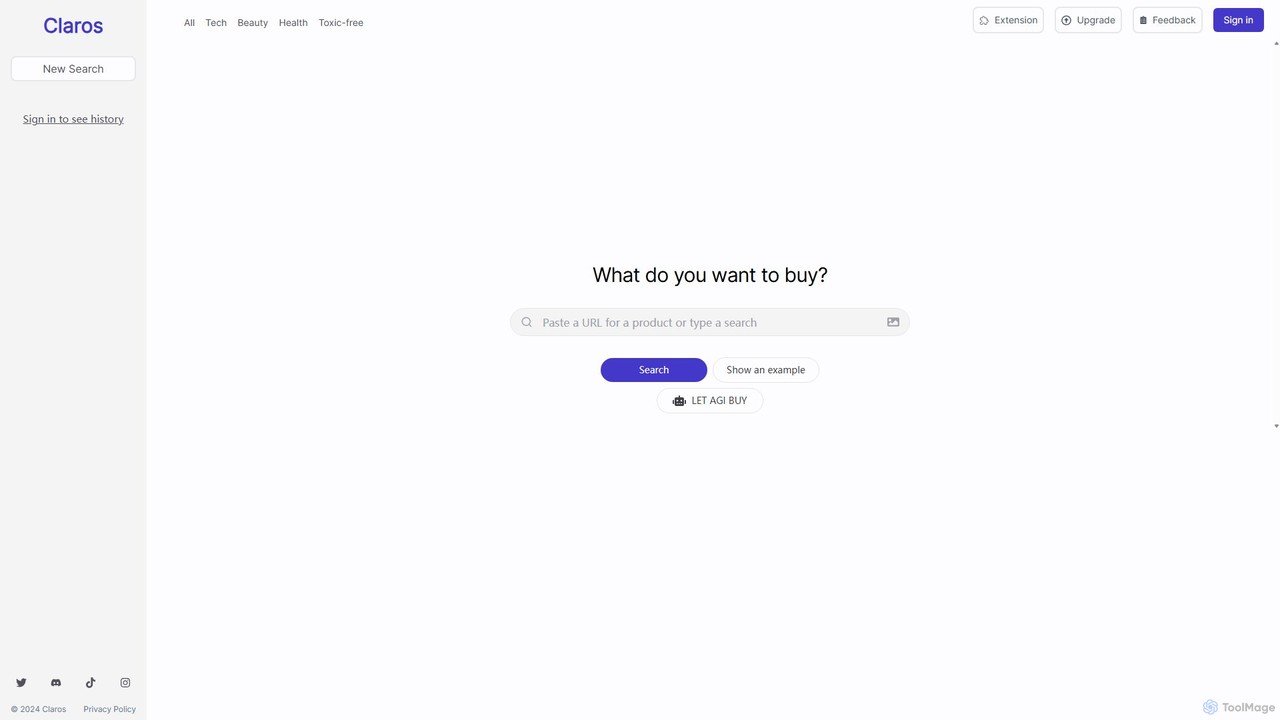
Claros is an AI-powered shopping assistant designed to simplify your purchasing decisions. Using natural language, you can ask it to find products based on complex criteria like ingredients, ethical standards, or health concerns, and it will act as your personal shopper to find the perfect items.

Shopping Assistant
Visits 6.5KFavorites 118Likes 145

About Personalized Recommendations

Personalized Recommendations are AI-powered tools that deliver highly tailored health advice and wellness plans based on individual data. These tools leverage machine learning to analyze unique user profiles, including genetics, lifestyle, and medical history, to provide dynamic and actionable insights. They aim to optimize individual well-being by offering proactive and preventive health strategies within the broader Health category.

Core Features

  • Dynamic Plan Generation: Creates adaptive fitness, diet, or wellness plans that evolve with user progress and changing needs.
  • Predictive Health Insights: Identifies potential health risks or opportunities based on historical data and patterns.
  • Real-time Feedback Integration: Adjusts recommendations instantly in response to user input, biometric data, or environmental factors.
  • Preference Learning: Understands and adapts to individual preferences for activities, foods, or wellness approaches over time.
  • Data Privacy Management: Ensures secure handling and protection of sensitive personal health information.

Use Cases

Individuals seeking customized fitness or nutrition guidance, patients managing chronic conditions, or those looking for proactive mental well-being support can benefit. These tools provide bespoke strategies that generic advice cannot offer, leading to more effective and sustainable health outcomes.

How to Choose

Consider the depth of personalization (e.g., genetic integration), data privacy and security protocols, scientific validation of recommendations, user interface intuitiveness, and compatibility with existing health tracking devices. Ensure the tool aligns with your specific health goals and data comfort level.

Personalized Recommendations use cases

1

Tailored Fitness & Exercise Plans

Fitness enthusiasts or individuals recovering from injury can use AI-powered personalized recommendation tools to generate dynamic workout routines. By analyzing their current fitness level, past performance, injury history, and available equipment, the AI creates an optimal, evolving plan that maximizes results while minimizing risk, adapting daily based on biometric feedback.

2

Personalized Nutrition & Diet Guidance

Individuals with specific dietary needs, allergies, or health goals (e.g., weight loss, muscle gain, managing diabetes) can receive highly personalized meal plans and food recommendations. The AI considers their preferences, metabolic data, activity levels, and health conditions to suggest recipes and grocery lists, ensuring balanced and effective nutritional intake.

3

Proactive Mental Wellness Support

Users seeking to improve their mental health can utilize these tools for personalized coping strategies, mindfulness exercises, or stress reduction techniques. Based on mood tracking, sleep patterns, and reported stressors, the AI recommends specific interventions or content, helping individuals build resilience and manage emotional well-being effectively.

4

Chronic Disease Management & Adherence

Patients managing chronic conditions like diabetes or hypertension can benefit from personalized recommendations for medication reminders, lifestyle adjustments, and symptom tracking. The AI integrates medical data, treatment plans, and real-time biometric readings to provide timely advice, improving adherence and helping prevent complications.

5

Preventive Health & Early Risk Detection

Individuals focused on long-term health can use these tools to receive personalized recommendations for preventive screenings, lifestyle changes, or supplements. By analyzing genetic predispositions, family medical history, and current health markers, the AI identifies potential future risks and suggests proactive measures to mitigate them, promoting longevity.

6

Optimized Sleep & Recovery Programs

Athletes or individuals struggling with sleep can leverage personalized recommendation tools to optimize their rest and recovery. The AI analyzes sleep patterns, daily activity levels, heart rate variability, and stress indicators to suggest personalized sleep schedules, relaxation techniques, and environmental adjustments, enhancing overall recovery and performance.

Personalized Recommendations FAQ

What are Personalized Recommendations in the context of health AI?

Personalized Recommendations in health AI are tools that provide highly customized health advice, plans, and insights. They leverage advanced AI algorithms to analyze an individual's unique data, such as medical history, genetic information, lifestyle, and real-time biometrics, to offer tailored guidance for well-being, fitness, nutrition, and disease management.

How do AI-powered Personalized Recommendations differ from general health apps?

AI-powered Personalized Recommendations go beyond general health apps by offering dynamic, data-driven, and highly specific guidance. While general apps provide generic advice or tracking, AI tools adapt to individual progress, preferences, and physiological responses, offering truly bespoke plans that evolve over time, leading to more effective and sustainable outcomes.

What types of data do Personalized Recommendation tools typically use?

These tools utilize a wide range of data, including self-reported information (e.g., diet, exercise, mood), biometric data from wearables (e.g., heart rate, sleep, activity levels), medical records (e.g., diagnoses, medications), genetic information, and even environmental factors. The more comprehensive the data, the more precise and effective the recommendations.

How can I choose the right AI tool for Personalized Health Recommendations?

When choosing, consider the tool's data privacy and security policies, the scientific validation behind its recommendations, its ability to integrate with your existing health devices, the depth of personalization it offers (e.g., genetic analysis), and its user-friendliness. Prioritize tools that are transparent about their algorithms and data usage.

What are the main benefits of using AI for Personalized Health Recommendations?

The main benefits include highly effective and sustainable health outcomes due to tailored advice, proactive prevention of health issues through early risk detection, improved adherence to wellness plans, and a deeper understanding of one's own body and health needs. These tools empower individuals to take more informed control over their well-being.