ToolMage
Sign in

Best 2 Sleep AI tools for Health

Popular Sleep AI tools in Health include Stellar Sleep and slumbr, helping you work more efficiently.

slumbr
Freemium

slumbr

Slumbr is an AI-powered story generator that creates personalized bedtime stories to help children and adults relax and fall asleep. Input your own characters, settings, and plot ideas to generate unique, soothing tales complete with AI narration and ambient sounds. Say goodbye to repetitive stories and hello to a world of endless imagination.

Storytelling
Visits 6.2KFavorites 120Likes 120
Stellar Sleep
Freemium

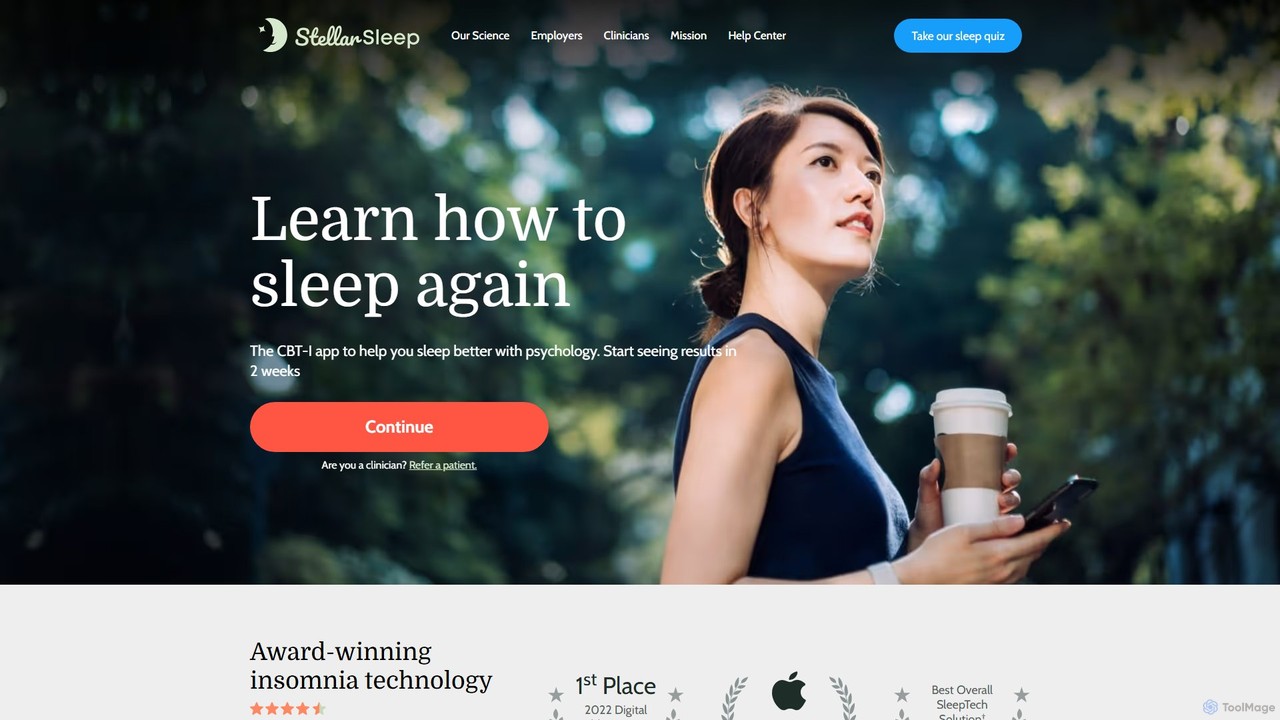
Stellar Sleep

Stellar Sleep is a psychology-based mobile app designed to combat insomnia using Cognitive Behavioral Therapy for Insomnia (CBT-I). It offers a personalized program to help users fall asleep faster, stay asleep longer, and achieve restorative rest without medication. Developed with sleep experts, it addresses the root causes of sleep problems like anxiety and stress.

Mental Health
Visits 91.4KFavorites 128Likes 121

About Sleep

AI Sleep tools are applications that leverage artificial intelligence to monitor, analyze, and improve sleep quality. These tools typically use data from smartphone sensors or wearable devices to track sleep stages, duration, and disturbances. By applying machine learning algorithms, they provide personalized insights and actionable recommendations to help users understand and enhance their sleep patterns. The primary goal is to transform raw sleep data into a clear path toward better rest and overall well-being.

Core Features

  • Sleep Cycle Analysis: Automatically detects and analyzes sleep stages, including light, deep, and REM sleep, providing a detailed breakdown of your night.
  • Personalized Insights & Sleep Score: Generates a daily sleep score and offers tailored recommendations based on your unique sleep patterns and lifestyle factors.
  • Smart Alarm Clock: Wakes you up during your lightest sleep phase within a predefined window, helping you feel more refreshed and less groggy.
  • Environmental Sound Analysis: Monitors ambient noise like snoring or coughing that may disrupt sleep and correlates it with sleep quality.
  • Guided Sleep Content: Offers AI-generated soundscapes, guided meditations, or stories designed to help you fall asleep faster.

Use Cases

These tools are widely used by individuals seeking to improve their daily energy levels, athletes optimizing physical recovery, and people managing mild sleep issues like occasional insomnia. They are also valuable for biohackers and wellness enthusiasts who want to quantify and improve every aspect of their health, starting with sleep.

How to Choose

When selecting an AI Sleep tool, consider the following: data accuracy and required hardware (e.g., smartphone vs. wearable), the depth of the sleep analysis and reports, the quality and personalization of the recommendations provided, and the platform's privacy policy regarding your sensitive health data.

Sleep use cases

1

Improving Daily Energy and Focus

A busy professional often feels tired during the day despite sleeping 7-8 hours. By using an AI Sleep tool, they can track their sleep cycles and discover they have very little deep sleep. The app's AI analyzes their pre-sleep habits and suggests reducing screen time an hour before bed and trying a 10-minute guided meditation. After implementing these changes, their deep sleep percentage increases by 20%, leading to noticeably higher energy levels and improved concentration at work.

2

Optimizing Athletic Recovery and Performance

An athlete preparing for a competition uses an AI sleep tracker to maximize recovery. The tool correlates their training intensity data with sleep quality metrics like heart rate variability (HRV) and deep sleep duration. The AI identifies that after high-intensity workouts, their HRV drops. It then recommends specific cool-down routines and an earlier bedtime on those days. This data-driven approach helps the athlete adjust their schedule to ensure optimal muscle repair and peak performance on competition day.

3

Waking Up Refreshed with a Smart Alarm

A student struggles with morning grogginess, often hitting the snooze button multiple times. They switch to an AI Sleep app with a smart alarm feature. They set a 30-minute wake-up window (e.g., 7:00-7:30 AM). The app monitors their sleep cycles and gently wakes them with a soft, gradually increasing sound at 7:18 AM, when it detects they are in a light sleep phase. This prevents the jarring experience of being woken from deep sleep, allowing the student to wake up feeling more alert and ready for the day, without needing to snooze.

4

Identifying and Mitigating Sleep Disruptions

A user notices their sleep score varies wildly. The AI Sleep tool's environmental sound analysis feature records and flags instances of loud snoring throughout the night. By correlating these events with periods of restlessness and drops in blood oxygen (if using a compatible wearable), the app suggests that the snoring is severely impacting sleep quality. Armed with this data, the user can consult a medical professional about potential sleep apnea, a condition they were previously unaware of.

5

Creating a Personalized Sleep-Inducing Environment

Someone living in a noisy city environment finds it hard to fall asleep. They use an AI Sleep tool that offers AI-generated soundscapes. The AI analyzes their heart rate during the initial moments of sleep and dynamically adjusts the soundscape—mixing white noise with calming nature sounds—to find the optimal audio that helps lower their heart rate and ease them into sleep faster. This personalized audio environment effectively masks external noises and creates a consistent, soothing atmosphere for sleep.

6

Tracking Long-Term Sleep Health Trends

A user wants to understand the impact of lifestyle changes on their sleep. Over several months, they use an AI Sleep tool to track their sleep consistency, duration, and quality. The app generates weekly and monthly reports, visualizing trends. They can clearly see how introducing regular exercise improved their deep sleep percentage by 15% over three months, and how a stressful period at work corresponded with a 10% drop in their overall sleep score. This long-term view provides concrete evidence of how their daily choices affect their sleep health.

Sleep FAQ

What are AI Sleep tools?

AI Sleep tools are applications that use artificial intelligence to analyze data collected from your smartphone or wearable device during sleep. They go beyond simple tracking to provide deep insights into your sleep patterns, such as sleep stages (light, deep, REM), interruptions, and overall quality. Based on this analysis, they offer personalized recommendations and features like smart alarms to help you improve your sleep hygiene and wake up feeling more rested.

How to choose the right AI Sleep tool?

When choosing an AI Sleep tool, consider these four factors:

  • Data Source and Accuracy: Does it use your phone's microphone and accelerometer, or does it require a wearable device (like a smartwatch or ring) for more accurate data like heart rate?
  • Depth of Analysis: Look for tools that provide detailed reports on sleep stages, disturbances, and a meaningful sleep score. The more data points it analyzes, the better.
  • Actionable Recommendations: A good tool doesn't just show you data; it interprets it for you and provides concrete, personalized advice on how to improve.
  • Privacy Policy: Since you are sharing sensitive health data, ensure the provider has a clear and trustworthy privacy policy.
How do AI Sleep tools work?

AI Sleep tools primarily use sensors to gather data. A phone-based app might use the microphone to detect snoring and the accelerometer to track movement. A wearable device can add heart rate, heart rate variability (HRV), and blood oxygen levels. The AI component then processes this raw data using machine learning models trained on vast datasets of sleep studies. These models can identify patterns corresponding to different sleep stages and detect anomalies, which are then translated into the scores, graphs, and insights you see in the app.

Are AI Sleep tools a replacement for medical advice?

No, AI Sleep tools are not medical devices and should not be used as a replacement for professional medical advice. They are wellness tools designed to help you become more aware of your sleep habits and make positive lifestyle changes. While they can provide valuable data and identify patterns that might warrant a discussion with a doctor (such as signs of potential sleep apnea), they cannot diagnose or treat medical conditions. Always consult a healthcare professional for any health concerns.

What's the difference between an AI Sleep tool and a general fitness tracker?

While most general fitness trackers (part of the broader Health category) offer some form of sleep tracking, dedicated AI Sleep tools provide a much deeper level of analysis and personalization. A fitness tracker might tell you how long you slept. An AI Sleep tool will break that down into sleep stages, correlate it with environmental factors, provide a nuanced sleep score, and offer specific, AI-driven coaching to improve your sleep quality. The key difference is the focus on in-depth analysis and actionable, personalized guidance rather than just basic data collection.