Health Best in category 1 results Telemedicine AI Tool

Popular AI tools in the Telemedicine field of Health include Dimerhealth, etc., helping you quickly improve efficiency.

Dimerhealth

Dimerhealth

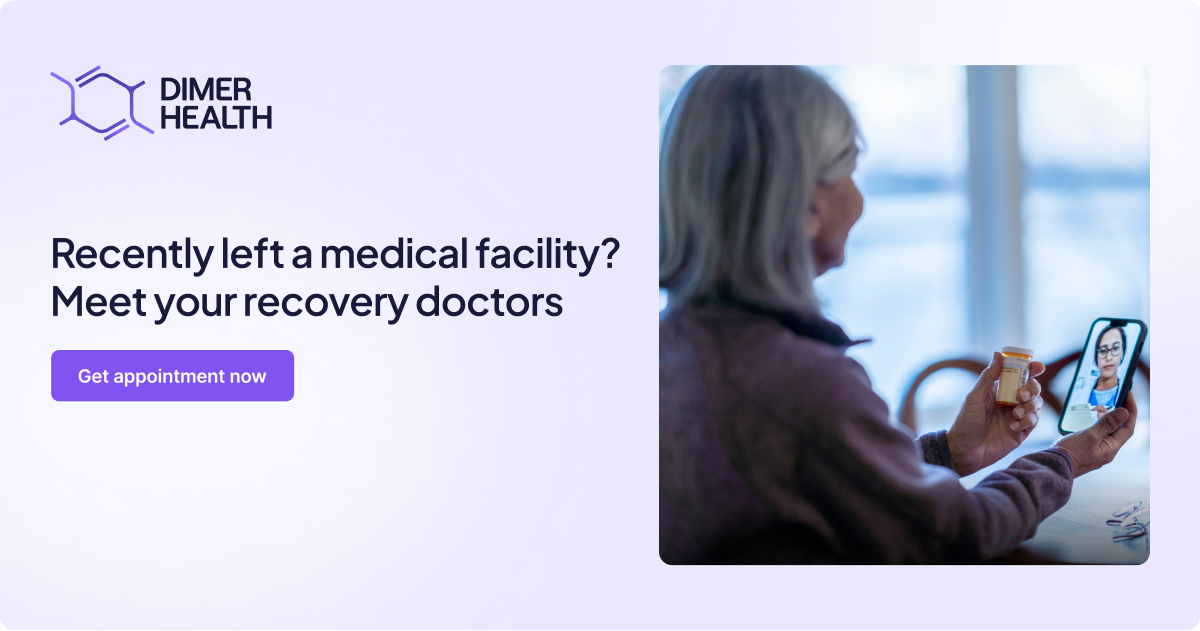
Dimerhealth is a transitional care medicine platform offering 24/7 virtual support for patients after hospital discharge. It combines …

5.7K

About Telemedicine

Telemedicine tools are platforms that use artificial intelligence to deliver remote medical consultations and healthcare services. These tools go beyond simple video conferencing by integrating AI for tasks like symptom analysis, diagnostic support, and patient monitoring. They enable healthcare providers to offer more efficient, accessible, and data-driven care from a distance. The core value lies in automating clinical workflows and providing intelligent insights to improve patient outcomes.

Core Features

  • AI-Powered Symptom Checker: Utilizes natural language processing to analyze patient-reported symptoms and suggest potential conditions or triage care levels.
  • Diagnostic Assistance: Employs machine learning models to analyze medical images (like X-rays or skin photos) or lab results to help clinicians identify abnormalities.
  • Remote Patient Monitoring (RPM): Analyzes data streams from wearable devices to track chronic conditions, detect anomalies, and alert medical staff.
  • Automated Clinical Documentation: Uses speech recognition and AI to transcribe doctor-patient conversations and automatically generate clinical notes.
  • Personalized Care Plan Generation: Suggests treatment adjustments or health recommendations based on a patient's real-time data and medical history.

Use Cases

AI Telemedicine tools are widely used in primary care for initial patient triage, in dermatology for remote skin condition analysis, and in chronic disease management for continuous monitoring of conditions like diabetes or hypertension. Hospitals also use them for post-operative follow-up, reducing readmission rates. Mental health services leverage these tools for chatbot-based support and initial assessments.

How to Choose

When selecting a Telemedicine tool, consider its specialization and the accuracy of its AI models for your specific clinical needs. Evaluate its compliance with healthcare regulations like HIPAA or GDPR for data security. Assess its ability to integrate with existing Electronic Health Record (EHR) systems. Finally, consider the user-friendliness of both the patient and provider interfaces to ensure high adoption rates.

TelemedicineUse Cases

1

Virtual Triage for Primary Care Consultations

A primary care physician's office uses an AI telemedicine platform to manage patient intake. Before scheduling a video call, a patient interacts with an AI chatbot that asks structured questions about their symptoms, duration, and severity. The AI analyzes the responses, gathers relevant medical history, and provides the physician with a concise pre-consultation summary. This process allows the physician to be better prepared, reduces consultation time by up to 30%, and helps prioritize urgent cases, ensuring patients with critical needs are seen sooner.

2

Remote Monitoring for Chronic Disease Management

A patient with diabetes uses a connected glucose monitor that syncs with an AI telemedicine app. The AI platform continuously analyzes blood sugar readings, identifies trends, and detects patterns that could indicate a problem, such as frequent hyperglycemia. If a concerning trend is detected, the system automatically alerts the patient's care manager or nurse. This proactive monitoring allows for timely intervention, helps patients better manage their condition, and reduces the risk of long-term complications and emergency room visits.

3

AI-Assisted Dermatological Image Analysis

A patient in a rural area uses a telemedicine app to take a picture of a suspicious skin mole and securely sends it to a dermatologist. Before the dermatologist reviews it, an AI algorithm analyzes the image, checking for asymmetry, border irregularity, color variation, and diameter (ABCD rule). The AI flags the image with a risk score and highlights areas of concern. This provides the remote dermatologist with a powerful second opinion, helping them prioritize cases and make more accurate remote diagnoses, potentially detecting skin cancer earlier.

4

Automating Clinical Notes from Consultations

During a video consultation, a physician speaks naturally with their patient. An AI telemedicine tool runs in the background, securely transcribing the entire conversation in real-time. After the call, the AI processes the transcript, identifies key clinical information (symptoms, diagnoses, prescriptions), and automatically structures it into a standard SOAP (Subjective, Objective, Assessment, Plan) note format. The physician simply reviews and approves the AI-generated note, saving 5-10 minutes of administrative work per patient and reducing documentation burnout.

5

Chatbot-Based Mental Health Triage

A mental health provider offers an AI chatbot on their website as a first point of contact. Users can anonymously describe their feelings and challenges. The chatbot uses natural language understanding to assess their emotional state, screen for conditions like depression or anxiety using standard questionnaires (e.g., PHQ-9), and provide immediate coping resources. Based on the assessment, it can then recommend the most appropriate next step, such as scheduling a session with a therapist, joining a support group, or accessing self-help materials, thereby guiding users to the right level of care.

6

Post-Operative Follow-up and Recovery Tracking

After a patient is discharged from the hospital following surgery, they use a telemedicine app to log their recovery progress. The app prompts them to report pain levels, upload photos of the incision site, and answer questions about their mobility. An AI system analyzes this data to detect early signs of complications, such as infection or poor healing. If the AI flags a potential issue, it alerts the surgical care team, who can then initiate a video call to assess the patient, preventing a potential emergency and reducing hospital readmission rates.

TelemedicineFrequently Asked Questions