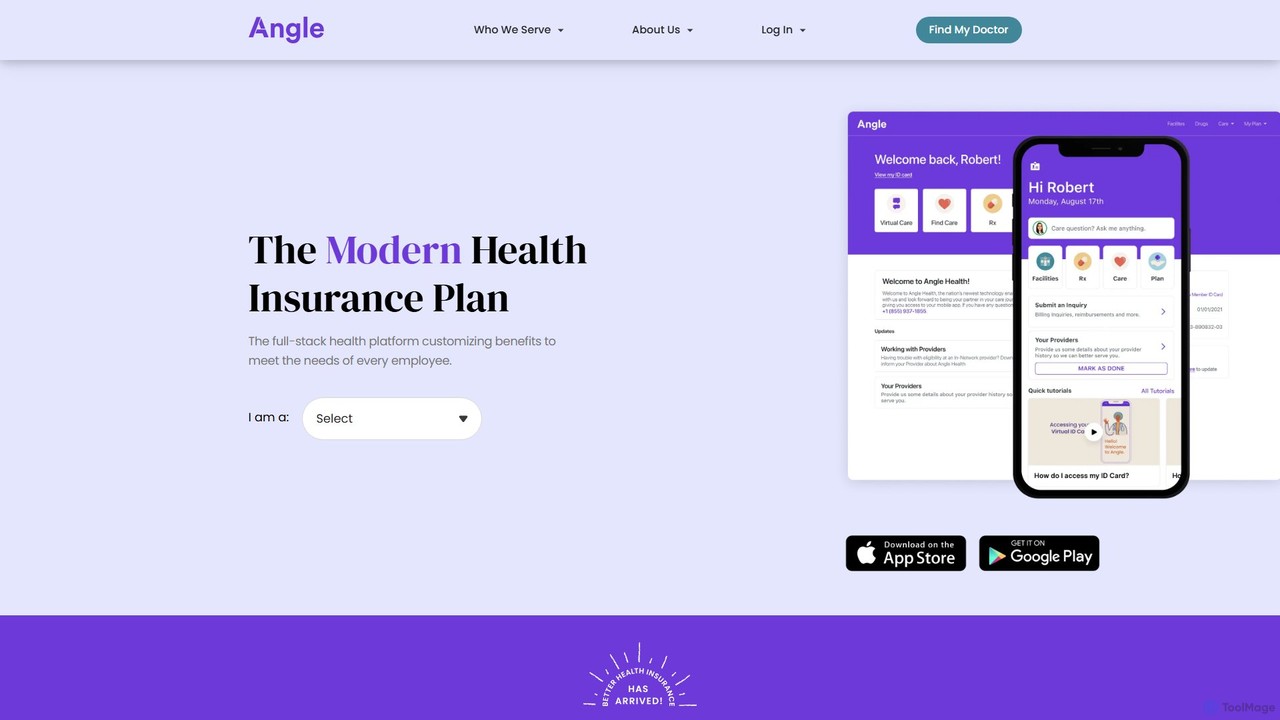
AI Health Management tools are applications that use artificial intelligence to provide personalized health monitoring, insights, and guidance. By analyzing data from wearables, manual inputs, and health records, these tools identify trends, predict risks, and offer actionable recommendations for improving well-being. They empower users to take a proactive role in managing their daily health, from fitness and nutrition to chronic conditions. This data-driven approach helps bridge the gap between clinical visits and everyday lifestyle choices.
Core Features
- Personalized Data Analysis: Interprets data from wearables and logs to provide unique health insights.
- Predictive Risk Assessment: Identifies potential health risks based on long-term trends and patterns.
- Actionable Recommendations: Offers tailored suggestions for diet, exercise, sleep, and stress management.
- Chronic Condition Monitoring: Helps users track symptoms, medication adherence, and key metrics for conditions like diabetes.
- Mental Wellness Support: Provides tools for mood tracking, mindfulness exercises, and stress level analysis.
Use Cases
These tools are widely used by individuals for personal wellness, patients managing chronic diseases, and fitness enthusiasts optimizing performance. They are also adopted in corporate wellness programs to support employee health and by caregivers to remotely monitor the well-being of family members.
How to Choose
When selecting a tool, consider its data integration capabilities with your existing devices (e.g., Apple Watch, Fitbit). Evaluate its specialization—whether it's for general wellness, a specific condition, or mental health. Prioritize tools with strong data privacy policies and a clear, user-friendly interface that makes daily tracking simple.