ToolMage
Sign in

Best 2 Medical Data AI tools for Healthcare

Popular Medical Data AI tools in Healthcare include Metriport and Segmed, helping you work more efficiently.

Segmed
Paid

Segmed

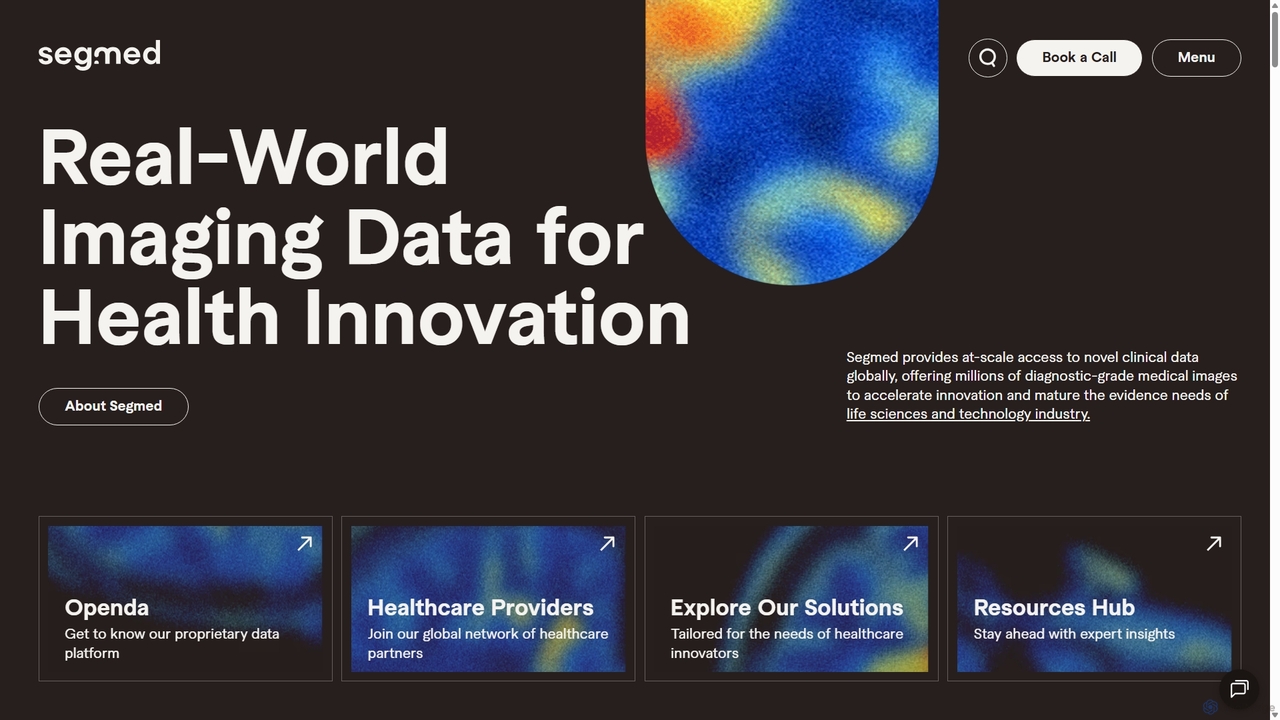
Segmed provides large-scale access to de-identified, diagnostic-grade medical imaging data for AI development and clinical research. Its platform, Openda, offers millions of tokenized studies from a diverse global network of healthcare providers. Segmed accelerates innovation for life sciences, medical device, and technology companies by providing regulatory-grade, multimodal datasets crucial for training AI models, validation, and securing FDA/CE clearance.

Datasets
Visits 9.6KFavorites 135Likes 150
Metriport
Paid

Metriport

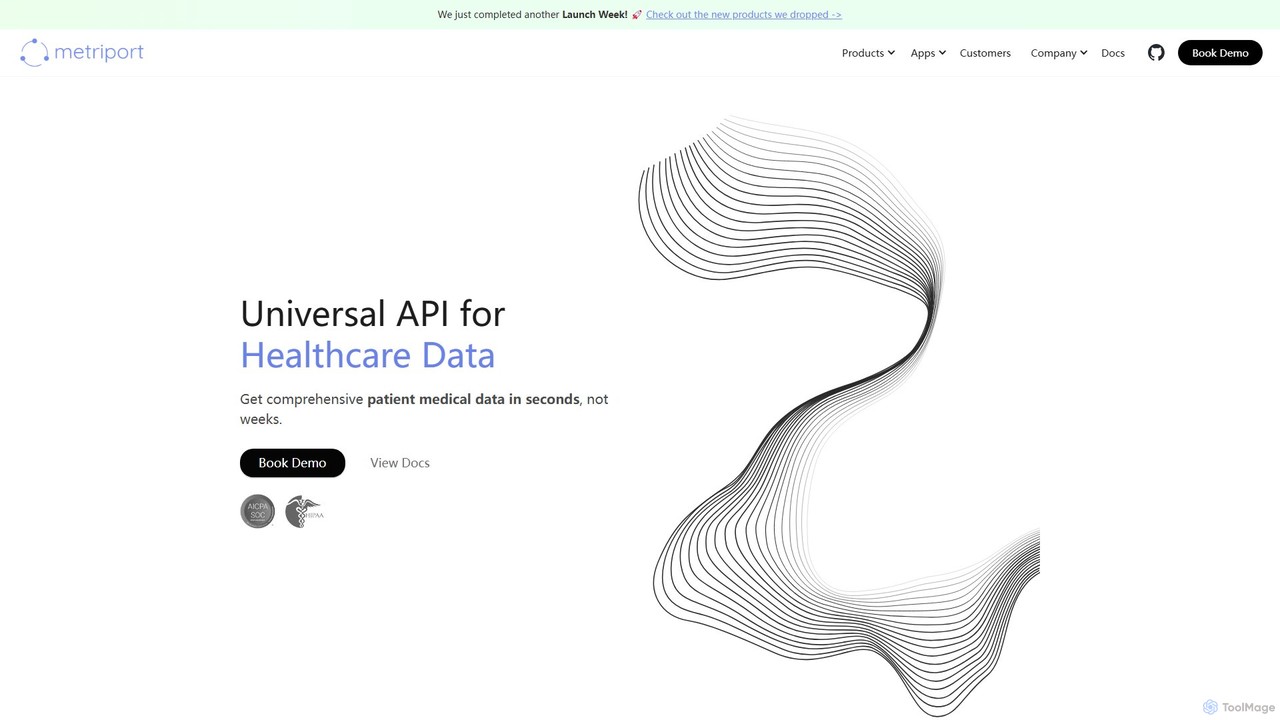
Metriport is an open-source universal API for healthcare data, enabling developers and providers to access comprehensive patient medical records in seconds. It features a no-code dashboard, AI-powered record summaries, and seamless EHR integrations, all built on a secure, HIPAA-compliant, and transparent platform.

Api
Visits 20.8KFavorites 132Likes 119

About Medical Data

AI Medical Data tools are specialized platforms designed to process, analyze, and interpret complex health information. They leverage machine learning and natural language processing to unlock insights from diverse sources like electronic health records (EHRs), medical imaging, and genomic data. These tools are crucial for transforming raw data into actionable knowledge, supporting clinical research, improving patient outcomes, and optimizing healthcare operations. Their ability to handle both structured and unstructured medical information sets them apart within the broader healthcare AI landscape.

Core Features

  • Data Structuring & Normalization: Converts unstructured text, such as clinical notes, into standardized formats for analysis.
  • Predictive Analytics: Uses historical data to forecast patient outcomes, disease progression, or operational needs like hospital readmissions.
  • Medical Image Analysis: Employs computer vision to automatically identify anomalies or patterns in X-rays, MRIs, and CT scans.
  • Clinical NLP (Natural Language Processing): Extracts specific information like diagnoses, medications, and symptoms from physician notes.
  • Genomic Data Interpretation: Analyzes genetic sequences to identify markers for diseases or guide personalized treatment.

Applicable Scenarios

These tools are essential for medical researchers conducting large-scale studies, hospital administrators aiming to improve efficiency, and pharmaceutical companies in the drug discovery process. Clinicians also use them for decision support, helping to identify high-risk patients or potential treatment pathways based on data-driven evidence.

Selection Criteria

When choosing an AI Medical Data tool, prioritize its compliance with regulations like HIPAA or GDPR. Evaluate its integration capabilities with existing systems (EHR, PACS), the clinical validation and accuracy of its algorithms, and its scalability to manage vast and growing datasets. Also, consider the specific data types it supports, whether text, imaging, or genomic.

Medical Data use cases

1

Accelerating Clinical Trial Recruitment

A clinical research coordinator at a pharmaceutical company needs to identify eligible patients for a new oncology trial. Manually screening thousands of electronic health records (EHRs) is slow and prone to error. By using an AI Medical Data tool, the coordinator can set complex eligibility criteria (e.g., specific diagnosis, prior treatments, lab values). The AI scans unstructured clinical notes and structured data across the hospital's database, identifying a shortlist of potential candidates in hours instead of weeks. This significantly speeds up the recruitment process, reduces costs, and helps bring new treatments to market faster.

2

Automating Medical Coding and Billing

A hospital's billing department faces challenges with inaccurate or delayed medical coding, leading to revenue loss. A medical coder uses an AI tool that applies Natural Language Processing (NLP) to analyze physicians' discharge summaries and clinical notes. The tool automatically suggests the most accurate ICD-10 and CPT codes based on the documented diagnoses, procedures, and patient conditions. This reduces the manual effort required for coding, minimizes human error, improves coding accuracy, and accelerates the billing cycle, ensuring the hospital receives proper reimbursement in a timely manner.

3

Predicting Hospital Readmission Risks

A care manager at a large hospital wants to proactively reduce patient readmission rates. They use a predictive analytics tool that integrates with the EHR system. The AI model analyzes hundreds of variables for each discharged patient, including their medical history, demographics, recent lab results, and length of stay. It then generates a risk score indicating the likelihood of readmission within 30 days. The care manager can focus their limited resources on high-risk patients, providing targeted follow-up care, education, and support to prevent complications and ensure a smoother recovery at home.

4

Early Disease Detection from Medical Imaging

A radiologist is tasked with screening hundreds of chest X-rays for early signs of lung cancer. To improve accuracy and efficiency, they use an AI-powered image analysis tool. The AI model, trained on millions of annotated images, highlights suspicious nodules or lesions that might be missed by the human eye. It provides a confidence score for each finding, allowing the radiologist to prioritize their review of the most critical cases. This acts as a 'second pair of eyes,' enhancing the radiologist's diagnostic capabilities, enabling earlier detection, and potentially improving patient survival rates.

5

Structuring Clinical Notes for Research

A medical researcher at a university is studying the long-term side effects of a specific medication. The most valuable data is locked within years of unstructured physician notes in the EHR system. They use an AI data tool with advanced Clinical NLP capabilities. The tool processes millions of notes, accurately extracting and structuring key data points like reported symptoms, medication dosages, timelines, and patient-reported outcomes. This creates a clean, structured dataset ready for statistical analysis, enabling the researcher to uncover patterns and correlations that would be impossible to find through manual review.

6

Personalizing Cancer Treatment with Genomic Data

An oncologist is treating a patient with a rare form of cancer. To determine the most effective therapy, they use an AI platform that analyzes the patient's genomic data from a tumor biopsy. The tool cross-references the specific genetic mutations found in the tumor with a vast database of clinical trials, research papers, and approved drug therapies. It then generates a report highlighting potential targeted therapies that are most likely to be effective for this patient's unique genetic profile. This data-driven approach supports the oncologist in making highly personalized treatment decisions, moving beyond one-size-fits-all protocols.

Medical Data FAQ

What are AI Medical Data tools?

AI Medical Data tools are specialized software that use artificial intelligence to analyze and interpret complex health data. Unlike general analytics tools, they are designed to understand the unique formats and terminologies of healthcare, including unstructured data like clinical notes and medical images. Their primary function is to extract meaningful, actionable insights from sources like EHRs, lab results, and genomic sequences to support clinical decisions, research, and hospital operations.

How to choose the right AI Medical Data tool?

Choosing the right tool involves several key considerations:

  • Compliance & Security: Ensure the tool complies with healthcare regulations like HIPAA (in the US) or GDPR (in Europe) and has robust data security measures.
  • Integration Capability: Check if it can seamlessly integrate with your existing systems, such as Electronic Health Records (EHR) or Picture Archiving and Communication Systems (PACS).
  • Clinical Validation: Look for evidence of the tool's accuracy, such as peer-reviewed studies or regulatory approvals (e.g., FDA clearance).
  • Data Type Support: Confirm it can process the specific types of data you work with, whether it's unstructured text, medical images, or genomic data.
  • Scalability: The tool should be able to handle the volume of data your organization generates and scale as your needs grow.
What's the difference between AI Medical Data tools and general Business Intelligence (BI) tools?

The key difference lies in their ability to handle complex, unstructured data. General BI tools are excellent for visualizing and reporting on structured data (like spreadsheets or databases). However, AI Medical Data tools are specifically designed to process unstructured information, such as free-text clinical notes (using NLP) and medical scans (using computer vision). They go beyond reporting to perform predictive analytics, helping to forecast outcomes or identify hidden patterns that BI tools would miss.

What types of medical data can these AI tools analyze?

AI Medical Data tools are versatile and can analyze a wide range of data types, which is one of their key strengths. Common types include:

  • Electronic Health Records (EHR/EMR): Both structured fields (e.g., lab values) and unstructured text (e.g., physician notes).
  • Medical Imaging: Formats like DICOM from X-rays, CT scans, MRIs, and ultrasounds.
  • Genomic and Proteomic Data: Complex data from DNA/RNA sequencing for personalized medicine.
  • Clinical Trial Data: Information gathered during research studies to assess new treatments.
  • Wearable and IoT Device Data: Continuous data streams from patient monitoring devices.
Who are the primary users of AI Medical Data tools?

The user base for these tools is diverse, reflecting their wide range of applications within the healthcare ecosystem. Primary users include:

  • Medical Researchers: To analyze large datasets for population health studies, drug discovery, and understanding disease patterns.
  • Hospital Administrators: For operational analytics, such as predicting patient flow, managing resources, and improving billing accuracy.
  • Clinicians (e.g., Radiologists, Oncologists): As decision support systems to aid in diagnosing diseases from images or personalizing treatment plans.
  • Data Scientists in Pharma/Biotech: To accelerate clinical trials by identifying eligible patient cohorts from real-world data.